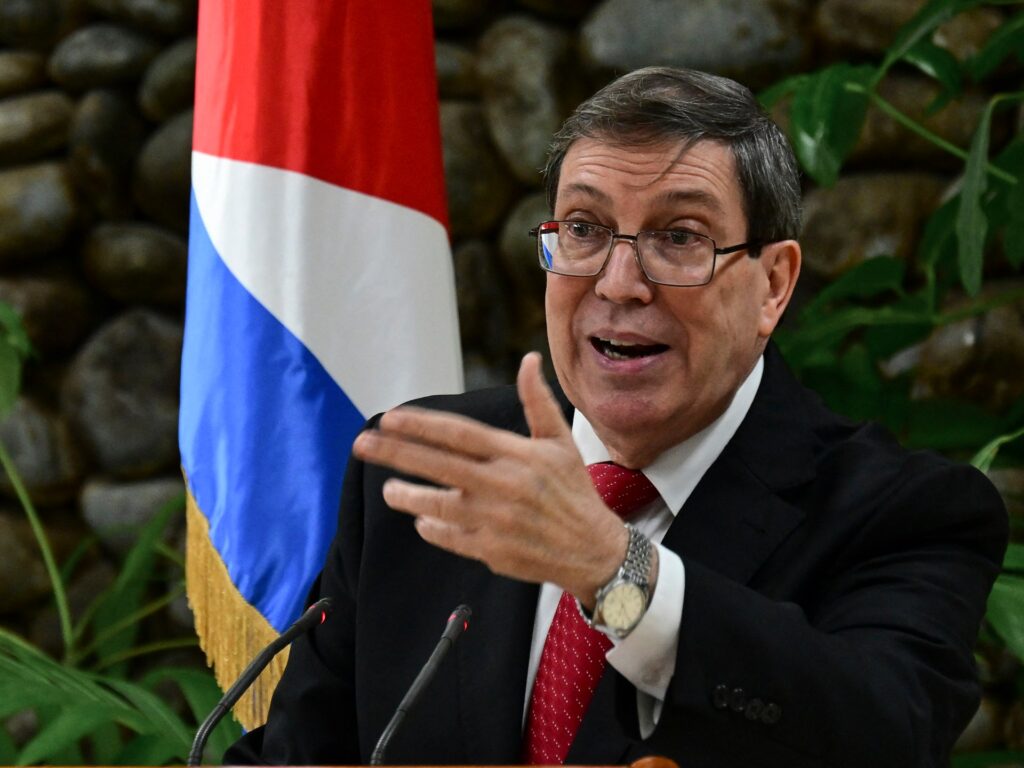
In the lead-up to a critical United Nations vote on the longstanding embargo against Cuba, the Cuban government has accused the United States of attempting to intimidate countries into supporting its position. Havana claims that Washington is threatening retaliation against nations that refuse to vote against condemning its embargo.
This accusation comes amid renewed global attention to the UN General Assembly vote, where almost every year since the early 1990s, the world body overwhelmingly rejects the US-imposed embargo on Cuba. This year’s vote is particularly significant as it tests the strength of international resolve against the embargo under a complex geopolitical landscape.
Cuba’s foreign ministry spokesperson condemned what it describes as “unprecedented pressure and coercion” by the United States, alleging that threats range from economic reprisals to the withdrawal of diplomatic support for countries that defy Washington on this issue.
The US, on the other hand, maintains that the embargo is a necessary measure aimed at pressuring the Cuban government to improve human rights and democratic governance on the island. Washington has consistently warned that removing or easing the embargo could embolden Cuba’s current leadership.
The embargo, initially put in place in the early 1960s, restricts trade, travel, and financial transactions between the US and Cuba, severely impacting the Cuban economy and the livelihoods of its people. Critics argue that it has failed to achieve its political objectives and instead perpetuates hardship.
The UN General Assembly’s vote serves as a global barometer of support for Cuba’s stance against the embargo. In recent years, the resolution condemning the embargo has consistently passed with overwhelming support, with only a few countries siding with the US.
Cuba’s accusations are likely to add tension to the diplomatic exchanges ahead of the vote, as nations consider the political and economic pressures they face from the US and the broader international community.
The United Nations, for its part, has repeatedly called for dialogue and negotiation between the US and Cuba to resolve their differences. However, progress has been limited, and the embargo remains a significant point of contention.
As the date of the vote approaches, global observers are watching closely to see if the US can rally enough support to sustain its position or if the international community will continue its almost unanimous condemnation of the embargo, echoing decades of calls for change.