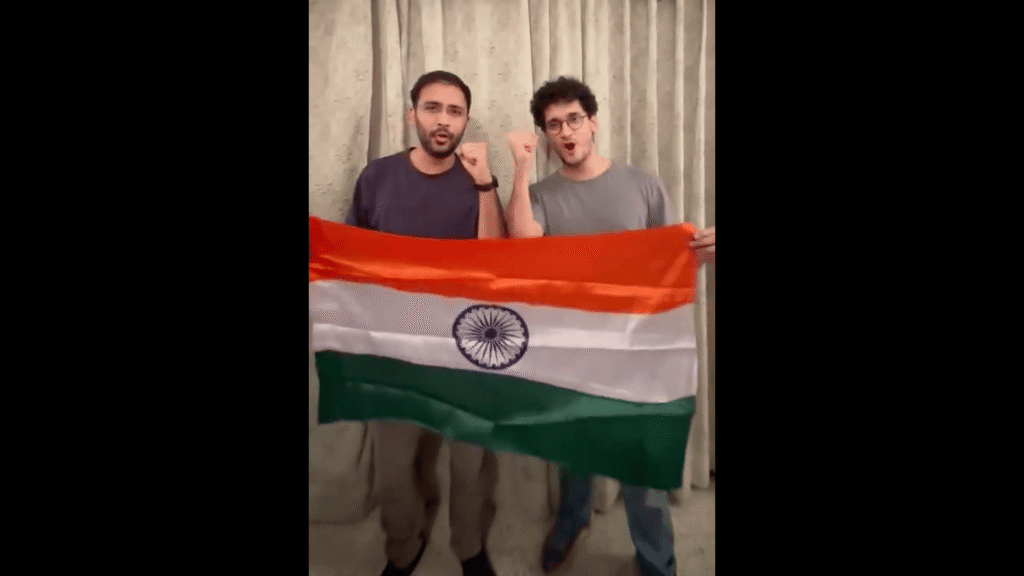
Two prominent figures of India’s ‘Cockroach’ Party, Ashutosh Ranka and Saurav Das, have been released from jail following a week of incarceration. The detention of these leaders drew significant attention and sparked debates regarding the political climate and judicial processes in India.
The ‘Cockroach’ Party, known for its unconventional name and approach, has been active in Indian politics, often challenging mainstream policies and advocating for grassroots reforms. Ashutosh Ranka and Saurav Das, as key leaders, have played instrumental roles in shaping the party’s strategies and public outreach.
Their arrest came amid rising tensions between their party and certain governmental bodies. Supporters of the ‘Cockroach’ Party argue that the detainment was politically motivated, aiming to suppress dissent and curb the party’s growing influence. Critics, however, claim the arrests were a response to alleged violations of law by the party’s leadership.
During their time in jail, both leaders maintained their stance on advocating for justice and transparency, addressing their followers through statements released by party members. Their week-long imprisonment highlighted the challenges faced by opposition parties in India’s vibrant but sometimes contentious democratic landscape.
Upon release, Ranka and Das expressed gratitude towards their supporters and reaffirmed their commitment to continue championing the causes central to their political platform. They called for unity among their ranks and called on the government to engage in constructive dialogue rather than resorting to punitive measures.
Political analysts suggest that the episode underscores the complexities of India’s political environment, where opposition parties often navigate pressures from dominant political forces. The release of these leaders may pave the way for renewed political activities and possibly escalate the party’s role in upcoming elections.
The international community has also taken note of the developments, with human rights groups urging for fair treatment of political figures and emphasizing the importance of upholding democratic freedoms.
As the ‘Cockroach’ Party regains momentum with its leaders back in action, the upcoming weeks will be critical in observing how the party leverages this experience to strengthen its position and address the broader concerns of its constituents. The situation remains dynamic, with stakeholders closely watching for any further political developments or shifts in policy influenced by this event.
In summary, the release of Ashutosh Ranka and Saurav Das marks a significant moment for the ‘Cockroach’ Party and Indian politics at large, reflecting ongoing tensions and the resilience of political actors in a complex democratic setting.