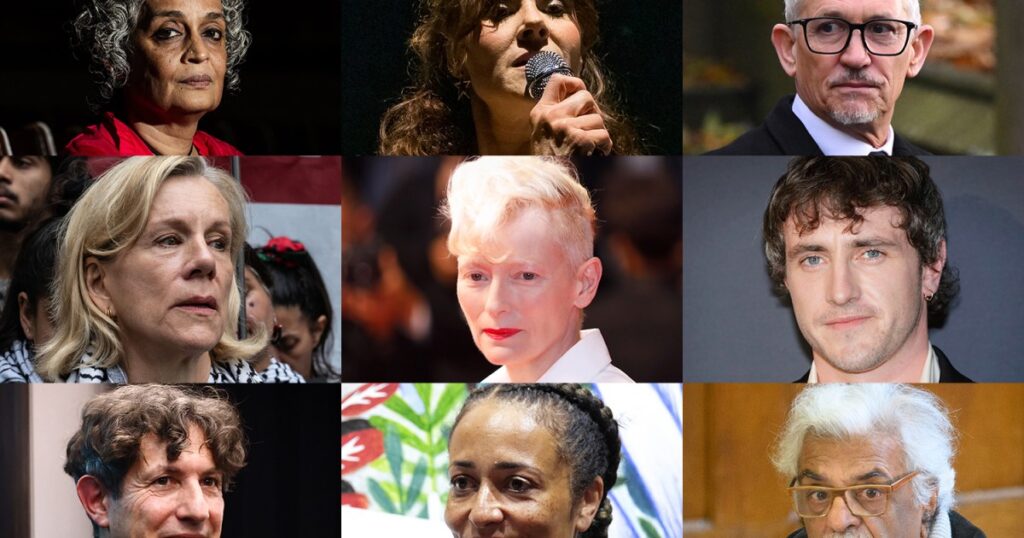
A wave of condemnation has risen from the UK’s creative community against recent anti-terror legislation, which has been criticized for unfairly targeting activist groups and individuals like author Sally Rooney. Dozens of leading actors, writers, and public figures have voiced their concerns, labeling the law as a ‘repressive absurdity’.
The legislation, designed to clamp down on organizations deemed terrorist threats, recently included Palestine Action, an activist group involved in direct actions aimed at changing political and social policies related to the Israeli-Palestinian conflict. Critics argue that the law’s broad language risks criminalizing legitimate activism and dissent.
Sally Rooney, acclaimed for her novels that explore complex social themes, stands alongside other signatories opposing the law. The authors and artists emphasize the importance of protecting freedoms of speech and peaceful protest, warning that such legal measures could stifle democratic expression in the UK.
The movement opposing the law highlights how it conflates activism with terrorism, which they assert undermines the fundamental rights of citizens to challenge government policies. The petition, signed by cultural figures, calls on lawmakers to reconsider and amend the law to prevent misuse and repression.
Historically, the UK’s approach to anti-terrorism has balanced security with civil liberties, but this recent shift has alarmed many who fear an erosion of democratic norms. The signatories include renowned individuals from various sectors of the creative industries, united in their defense of human rights and civil liberties.
Activism related to the Israeli-Palestinian conflict remains a contentious and sensitive area of political debate. However, these figures argue that peaceful activism and criticism should not be equated with terrorism nor be suppressed through sweeping anti-terror laws.
Public reactions reflect a growing anxiety over how anti-terror measures may be used by governments to silence dissenting voices, thereby threatening the pluralism essential to a functioning democracy.
As the debate continues, it remains to be seen how the UK government will respond to these calls from the artistic and intellectual communities. The outcome could set significant precedents for the balance between security and civil rights in the years to come.