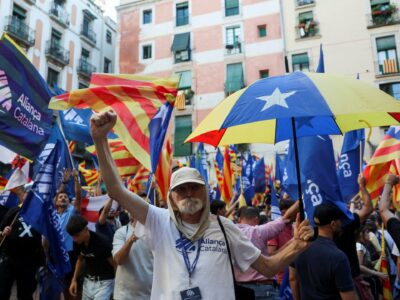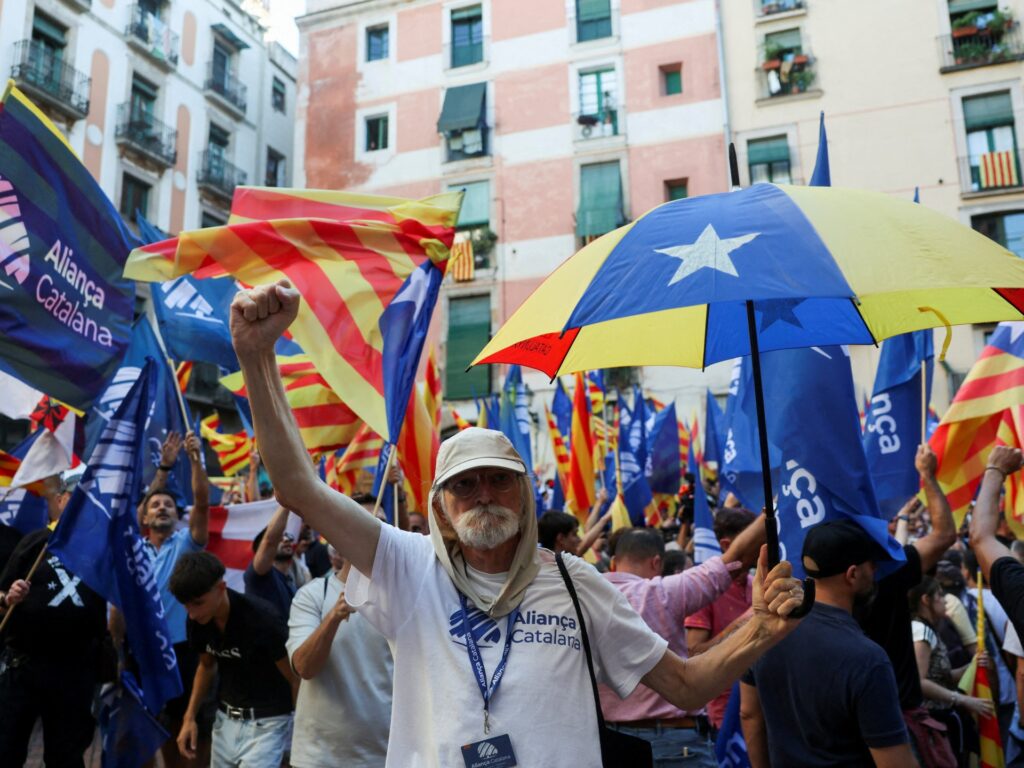
In recent years, Catalonia has witnessed a significant transformation in its political landscape, marked by the emergence of the far-right faction known as Catalan Alliance. This development is particularly notable for its increasing anti-Muslim rhetoric, which has become a central theme in the party’s agenda. Catalan Alliance’s rise is causing considerable alarm among Muslim communities and political observers alike, especially as Spain prepares for the upcoming snap election in November.
Catalonia, traditionally known for its progressive politics and cultural diversity, is experiencing a shift driven by economic uncertainties, immigration debates, and identity politics. The Catalan Alliance capitalizes on these concerns, promoting a nationalist and exclusionary vision that targets Muslims as symbolic of broader social and cultural threats. This has sparked fears of discrimination and social division within the region.
Muslim leaders and community members have voiced concerns about the impact of this rhetoric on social cohesion and civil rights. They emphasize the risk of stigmatization and marginalization resulting from policies proposed by the far right, such as stricter immigration controls and surveillance measures aimed at Muslim populations.
Political analysts suggest that the rise of the Catalan Alliance reflects wider European trends, where far-right parties gain ground by exploiting fears about immigration and cultural change. In Catalonia, however, these dynamics are intertwined with the region’s unique identity politics and the ongoing debates regarding autonomy and national sovereignty.
The imminent November election is seen as a crucial moment for Catalonia and Spain as a whole. It presents a test of whether the electorate will endorse the far-right’s divisive rhetoric or reaffirm commitments to inclusivity and multiculturalism. The situation has mobilized various civil society groups, human rights organizations, and political parties to counteract the rise of extremist narratives through advocacy and voter education.
This political shift also poses challenges for Spain’s broader national politics, as the far-right’s growth in Catalonia could influence the balance of power and policy direction in the forthcoming government. Observers are closely watching whether mainstream parties will adopt tougher stances on immigration and security to compete with the far right or seek to isolate and marginalize Catalan Alliance.
In summary, Catalonia’s new far right, epitomized by the Catalan Alliance’s anti-Muslim sentiment, is reshaping the region’s political discourse and societal fabric. The upcoming election not only determines the future political orientation of Catalonia but also serves as a bellwether for the broader challenges of managing diversity, integration, and national identity in contemporary Spain and Europe.