The ongoing conflict in Lebanon has taken a devastating toll on its population, but few have highlighted the profound impact it has on young people with neurodivergent conditions such as autism and ADHD. Experts warn that the disruption caused by war exacerbates the challenges faced by these individuals, who often depend heavily on structured routines and stable environments.
For many young people with autism and ADHD, consistency and predictability are more than preferences — they are essential for mental health and daily functioning. The chaos and unpredictability brought about by war shatter these crucial routines, leading to increased anxiety, behavioral challenges, and difficulties in communication.
Families of neurodivergent children in Lebanon report alarming increases in stress, emotional regulation issues, and regression in skills that were once stable. Schools and specialized support services, already scarce, have become inaccessible due to safety concerns and infrastructure damage, cutting off vital support networks.
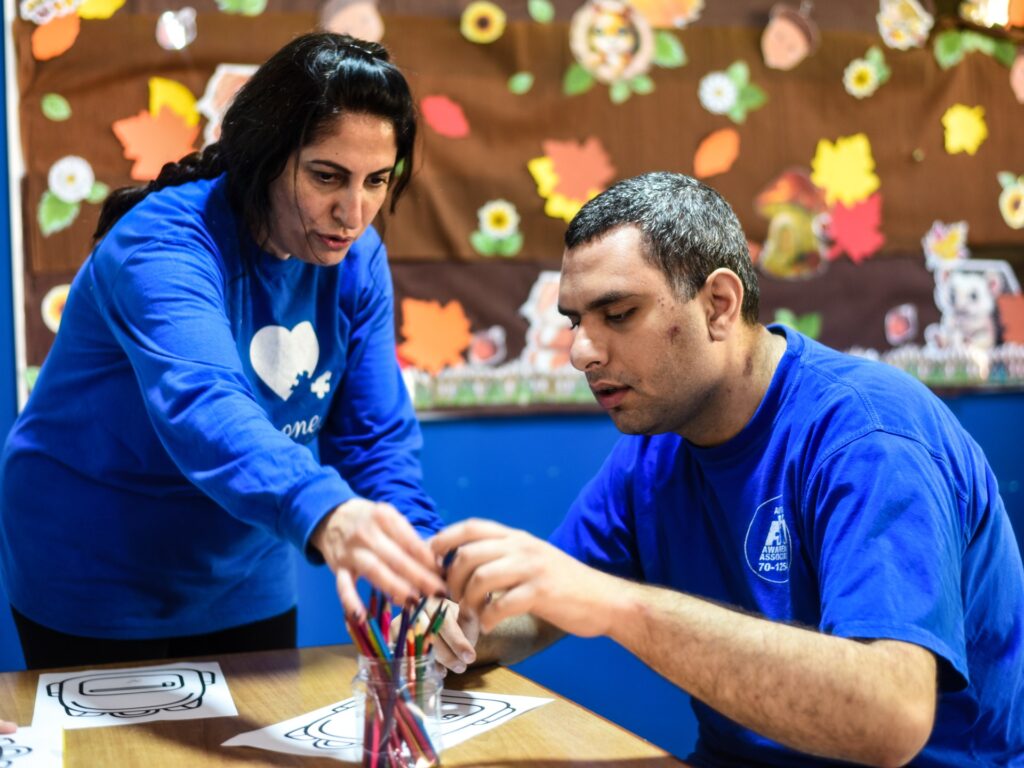
Medical professionals and educators emphasize the psychological burdens as war disrupts therapy sessions, counseling, and educational programs tailored to these children’s unique needs. The absence of these resources not only affects the children’s immediate wellbeing but can also have long-term repercussions on their development.
Furthermore, the mental health challenges are compounded by the general atmosphere of fear and trauma pervasive in conflict zones. Neurodivergent children may have heightened sensory sensitivities, making loud noises, explosions, and crowded shelters especially overwhelming.
International organizations have called for targeted humanitarian aid that includes mental health services tailored specifically for neurodivergent populations affected by conflict. This includes safe spaces, trained caregivers, and access to specialized therapeutic interventions.
Experts advocate for policymakers and humanitarian agencies to prioritize the needs of neurodivergent youth in conflict-affected areas, ensuring that response strategies are inclusive and sensitive to the complexities these conditions entail.
Beyond immediate aid, there is a growing recognition of the need for long-term investment in rebuilding educational and healthcare infrastructure to support neurodivergent individuals. This would aid in mitigating the lifelong impacts that war can imprint on these vulnerable groups.
Lebanon’s war underscores the broader global reality that conflict disproportionately affects the most vulnerable, including those with autism and ADHD. Raising awareness and tailoring interventions can help reduce this heavy toll and promote resilience amidst adversity.
In conclusion, the war in Lebanon has starkly highlighted the urgent need to understand and respond to the unique challenges faced by young people with autism and ADHD. Protecting these individuals requires coordinated efforts from local governments, international agencies, and communities to restore stability, provide specialized support, and rebuild lives disrupted by conflict.