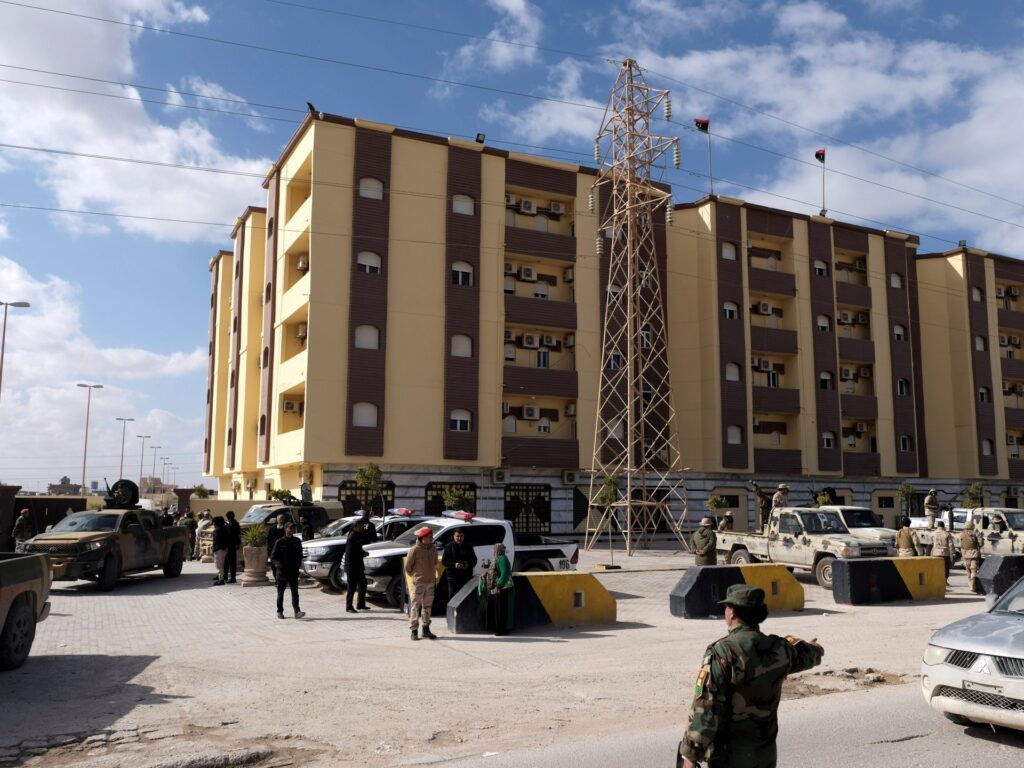
In a significant political development, the Eastern Libya parliament has officially approved the 2019 maritime agreement signed between Turkey and the Government of National Accord (GNA) based in Tripoli. This approval marks a crucial shift in Libya’s internal dynamics, notably signaling the end of a boycott that had been imposed by Khalifa Haftar’s forces since 2020.
Background on the Maritime Deal:
The maritime deal, originally inked in 2019, delineates maritime boundaries and defines exclusive economic zones (EEZs) in the Eastern Mediterranean between Libya and Turkey. This agreement allowed both countries to assert their rights over offshore resources such as natural gas and oil reserves. The deal was controversial in the region, drawing opposition from neighboring countries like Greece and Egypt, who contend it disregards their own maritime claims.
Eastern Libyan Parliament’s Vote:
Until recently, forces loyal to Khalifa Haftar, commanding the Libyan National Army (LNA) and dominant in eastern Libya, had boycotted recognition of the maritime deal. This stance created a political impasse within the country, complicating national reconciliation and cooperation efforts.
The parliament’s recent endorsement of the agreement represents a major political pivot that could foster national unity and pave the way for improved relations with Turkey. By endorsing the maritime deal, the Eastern Libyan legislature aligns itself with the Tripoli-based government’s foreign policy objectives.
Implications of the Vote:
1. End of Haftar’s Boycott: The boycott by Haftar’s forces significantly influenced the political division in Libya and hindered diplomatic progress. Its cessation is likely to reduce internal conflicts and promote political dialogue.
2. Strengthening Libya-Turkey Relations: The approval reaffirms Libya’s commitment to its partnership with Turkey, enhancing cooperation in economic, security, and political arenas.
3. Regional Impact: The move may shift balance in ongoing regional disputes over maritime boundaries in the Eastern Mediterranean, potentially prompting renewed negotiations with neighboring countries like Greece and Egypt.
4. Economic Prospects: Clearer maritime boundaries bring prospects for offshore exploration and economic development, which could benefit Libya’s fragile economy.
Broader Context:
Libya has experienced years of internal strife following the 2011 uprising that toppled Muammar Gaddafi. Competing governments and militias have vied for control, with the east-west division epitomized by Haftar’s LNA in the east and the UN-backed GNA in the west. Efforts toward a unified government and political settlement have been ongoing but fraught with challenges.
Turkey has played a notable role in Libya’s conflict, backing the GNA with military support and diplomatic efforts. The maritime deal deepens this alliance.
Regional stakeholders are watching closely as this parliamentary action could influence wider geopolitical dynamics in the Mediterranean, affecting European Union interests and regional security frameworks.
Conclusion:
The Eastern Libya parliament’s approval of the 2019 Turkey-Libya maritime agreement opens a new chapter in Libya’s political landscape, ending a stubborn boycott and potentially ushering in greater cooperation at home and abroad. This development will be critical to Libya’s ongoing search for stability and prosperity in a region marked by complex rivalries and significant natural resource wealth.