The UK government’s decision to block the reunion of families from Gaza has sparked significant concern and outrage amid the ongoing humanitarian crisis in the region. Despite Britain’s recently reopened refugee resettlement scheme, Palestinians trapped in Gaza find no means of escape or relief through this program.
As violence and instability continue to ravage Gaza, the inability for families to reunite is a critical issue. Many Palestinians have been separated from loved ones for years, with the current blockade on reunions exacerbating the emotional and physical toll on those affected.
Human rights advocates have criticized the UK government’s approach, warning that every day of delay could cost lives. The blockade is seen as not only a bureaucratic hurdle but a harsh policy that undermines the urgent need for humanitarian aid and family reunification.
The refugee resettlement scheme, intended to provide safe passage for vulnerable individuals, has yet to offer any meaningful help to Palestinians in Gaza. Many feel the program falls short of addressing the complexities and severe conditions faced by those seeking refuge.
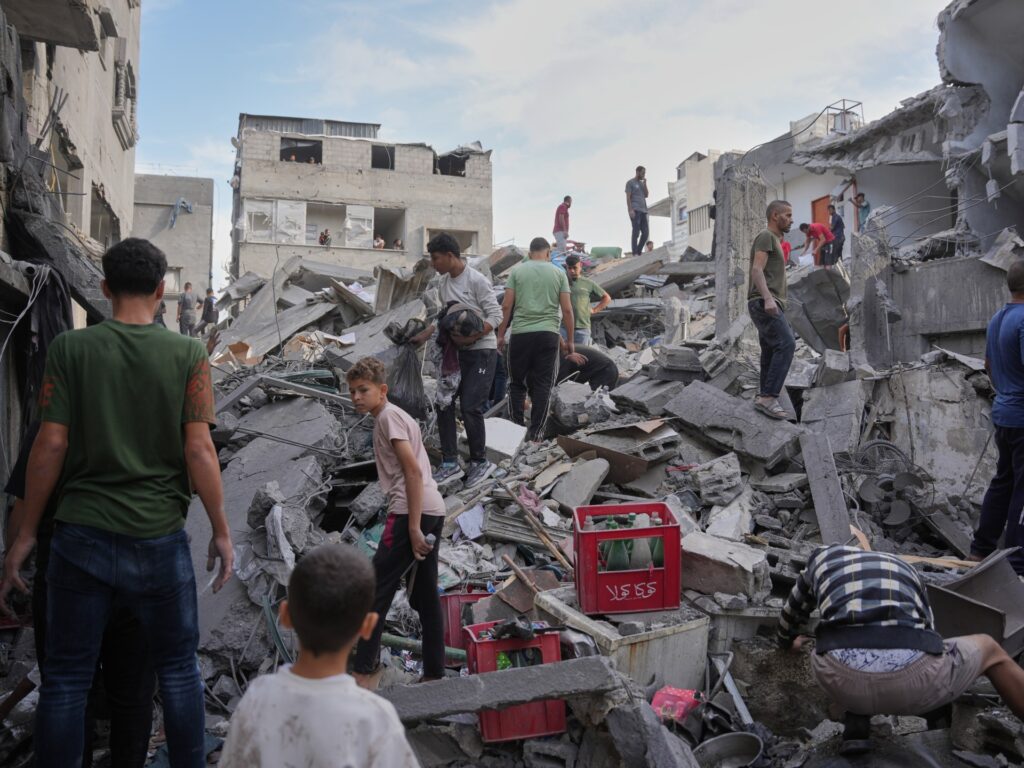
The situation in Gaza remains dire, with limited access to essential services, medical care, and basic necessities amid ongoing conflict. Families desperate to escape the violence face continued uncertainty as they await potential routes to safety.
In response to the UK’s policy, international organizations and local advocacy groups call for immediate action to facilitate family reunions and expand humanitarian corridors. They emphasize the importance of coordinated global efforts to address the plight of Palestinians trapped in Gaza.
The UK government, meanwhile, maintains its stance on security and immigration controls, emphasizing the need for careful vetting of prospective refugees. However, critics argue that the current policies prioritize bureaucracy over human lives, potentially violating international humanitarian principles.
This ongoing impasse highlights the broader challenges facing displaced populations worldwide, where geopolitical considerations often overshadow urgent human needs. The call for compassionate, effective policies is growing louder as the crisis in Gaza persists.
Overall, the blockade on Gaza family reunions by the UK government underscores the urgent need for revised strategies that prioritize humanitarian relief and uphold fundamental human rights amidst one of the most challenging refugee crises in recent history.