Israel is gearing up for its 2026 elections scheduled for October 27. This will mark the sixth election since 2019, highlighting the country’s complex and often volatile political landscape. To understand the significance and mechanics of this upcoming election, it is helpful to explore the election system, key players, and the groups that often find themselves marginalized.
### The Electoral System
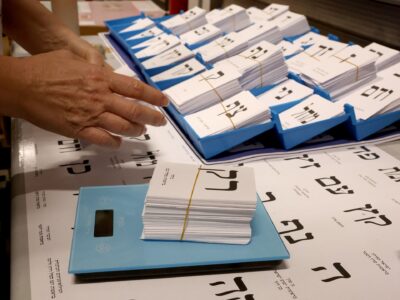
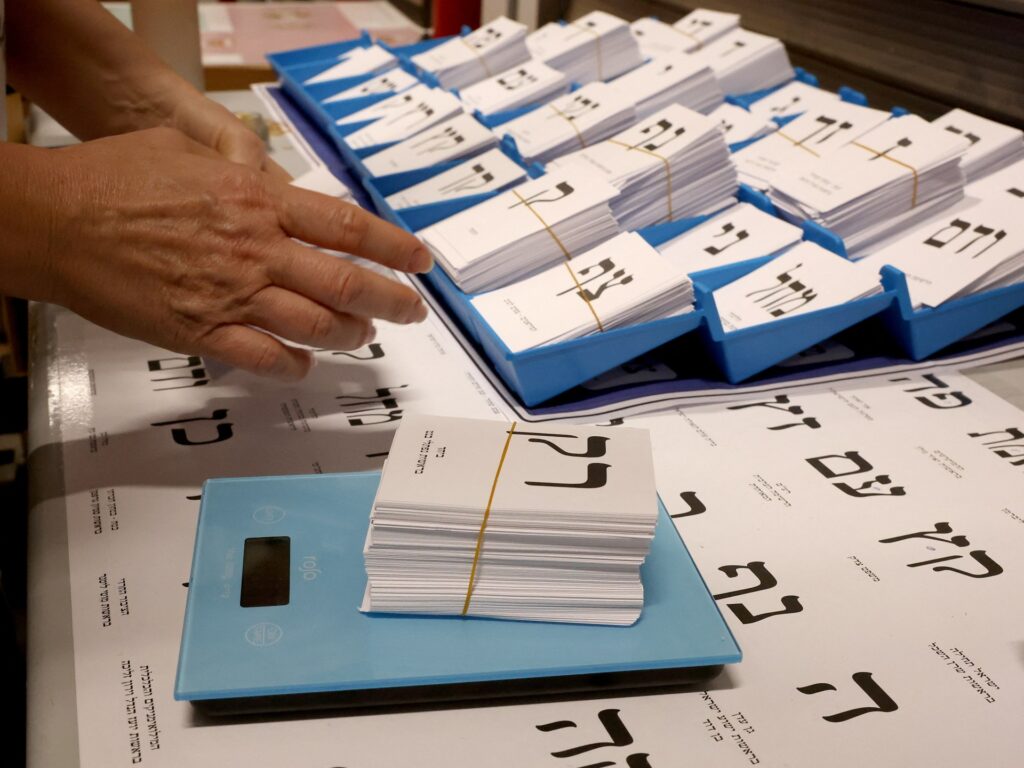
Israel uses a proportional representation system to elect members to the Knesset, the country’s 120-seat parliament. Voters cast ballots for party lists rather than individual candidates. Parties receive seats in proportion to their share of the national vote, provided they pass an electoral threshold, currently set at 3.25%. This threshold is designed to prevent fragmentation while allowing broad representation.
### Why So Many Elections?
Between 2019 and 2026, Israel has held six elections, a record illustrating political instability fueled by ideological divisions and coalition-building challenges. Governments often fail to achieve stable majorities, leading to repeated elections.
### Geographical Voting Patterns
Maps of past elections reveal strong geographical voting patterns. Urban areas like Tel Aviv tend to favor liberal and centrist parties, while smaller towns and religious communities often back right-wing or religious parties. The Arab population, concentrated in the north and certain mixed cities, generally supports the Joint List or other Arab parties.
### Parties and Coalitions
Key players include Likud, the right-wing party led by Benjamin Netanyahu; centrist parties such as Yesh Atid; religious parties like Shas and United Torah Judaism; and Arab parties that occasionally form alliances.
### Who Gets Left Out?
Despite the proportional system, some groups struggle to gain representation. Smaller parties that fail to meet the threshold are excluded, and certain demographics, such as newly arrived immigrants or marginalized communities, may find it challenging to have their voices heard. Additionally, the Palestinian population in occupied territories does not participate in these elections, highlighting ongoing political tensions.
### The Role of Maps and Charts
Visual tools help decode election results, showing which parties dominate different regions and demographic groups. They illustrate voter turnout rates, shifts from previous elections, and alliances formed after votes are counted.
### Looking Ahead to 2026
The 2026 election will again test Israel’s political resilience and the electorate’s mood. Analysts will watch voter turnout, shifts in party support, and the formation of coalitions closely, as these will impact not just domestic policy but also Israel’s position on the international stage.
In summary, Israel’s 2026 elections are a snapshot of a vibrant yet complex democracy facing challenges of representation and governance. Understanding the election system through maps and charts offers valuable insights into the diverse voices shaping the country’s future.