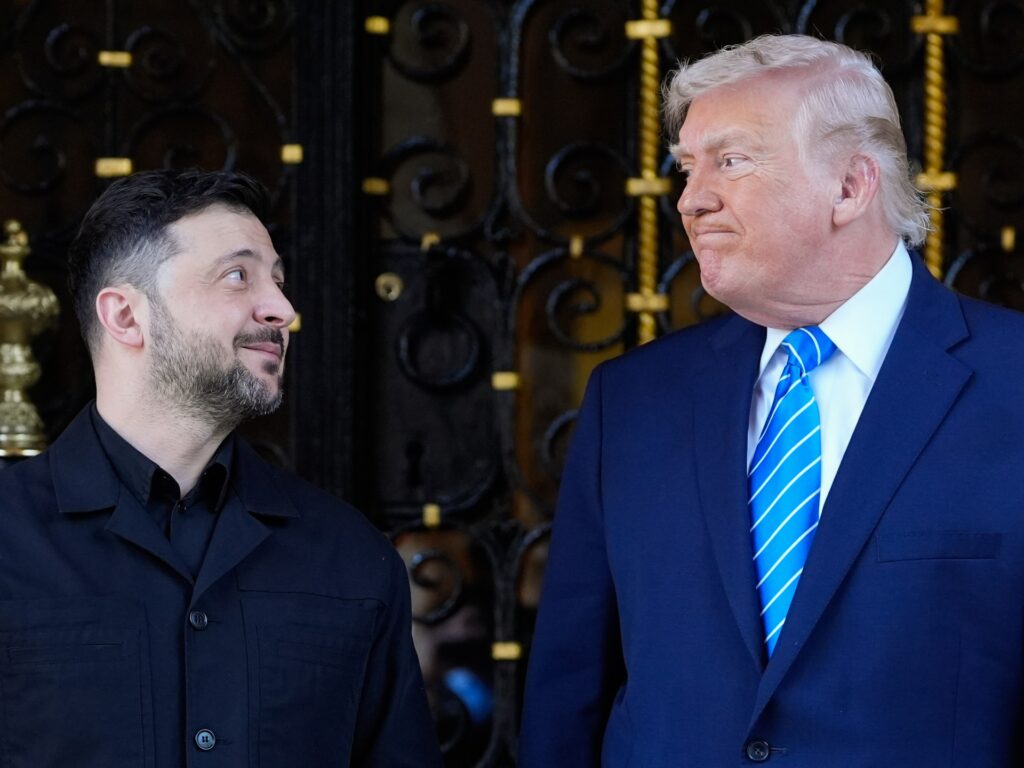
Former US President Donald Trump has come under the spotlight again for his comments defending the easing of sanctions on Russia. Trump argued that relief from certain sanctions was justified and necessary, a stance that has sparked controversy given the ongoing conflict involving Russia and Ukraine.
In a sharp turn during a public address, Trump also criticized Ukrainian President Volodymyr Zelenskyy, accusing him of not genuinely seeking to end the war between Ukraine and Russia. Trump’s remarks came as President Zelenskyy was engaged in discussions with US envoys in Washington, aiming to strengthen diplomatic ties and possibly secure further aid for Ukraine.
The conflict, which has drawn international concern and involvement, remains a complex and sensitive issue. Sanctions on Russia were initially imposed by the US and its allies to pressure Moscow into ceasing its military actions in Ukraine. Trump’s defense of lifting these sanctions has added a new layer of political debate.
Critics argue that easing sanctions could embolden Russia and undermine the international effort to support Ukraine’s sovereignty and territorial integrity. Supporters of Trump’s view claim that recalibrating sanctions might open pathways for negotiations and potentially help de-escalate the crisis.
Meanwhile, Zelenskyy’s meeting with Washington representatives highlights the ongoing diplomatic efforts to seek a resolution to the war. The Ukrainian leader has consistently called for international support to combat the aggression and maintain pressure on Russia through sanctions and other means.
Trump’s accusations suggest a divergence in how the US political spectrum views the conflict and the strategies to handle it. While some advocate maintaining or strengthening sanctions, others look to alternative approaches to achieve peace.
The situation underscores the fragile balance in international relations involving Russia, Ukraine, and the US. The discourse around sanctions relief and war termination highlights the differing priorities and political narratives shaping the conflict’s future.
As these developments unfold, global observers remain attentive to how these statements and policies will influence the broader geopolitical landscape. The dialogue between Trump and Zelenskyy represents not just a clash of personalities but a deeper debate about the path to peace and stability in Eastern Europe.