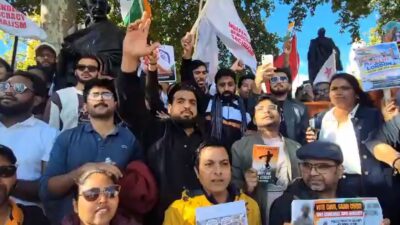
Across Europe, young protesters have emerged as a powerful collective voice, rallying around shared grievances and employing similar tactics to advocate for change. This wave of youth activism reflects a deep dissatisfaction with current political, social, and economic conditions affecting younger generations. Key issues fueling the protests include climate change, unemployment, education reforms, social justice, and democratic participation.
In countries ranging from France and Germany to Spain and Poland, young demonstrators have coordinated efforts through social media platforms, enabling rapid mobilization and exchange of ideas. These platforms have been instrumental in shaping protest agendas, sharing successful tactics, and creating a sense of solidarity beyond national borders.
Common grievances among European youth include concerns about environmental policies and the perceived inaction of governments on climate change. Many are frustrated by job insecurity and the challenges of entering the labor market, compounded by economic disparities and inadequate social support systems. Educational reform demands are also prevalent, with calls for more inclusive and accessible systems.
Tactically, young protesters have adopted diverse methods such as peaceful marches, sit-ins, occupation of public spaces, and digital activism. Some have employed creative strategies like flash mobs and coordinated hashtag campaigns to capture public attention and pressurize policymakers.
Coalitions between youth groups have become typical, facilitating the sharing of resources and experiences across borders. This transnational cooperation highlights a Europe-wide movement rooted in shared ideals of equity, sustainability, and political transparency.
Authorities’ responses vary, but often include increased policing and legal actions aimed at curbing demonstrations. Despite this, young activists remain resilient, emphasizing dialogue and nonviolent resistance. Their ongoing commitment underscores a generational call for systemic change.
Overall, the youth-led protests across Europe demonstrate not only a collective dissatisfaction but also an innovative and unified approach to civic engagement, signaling a potential reshaping of future European political landscapes.