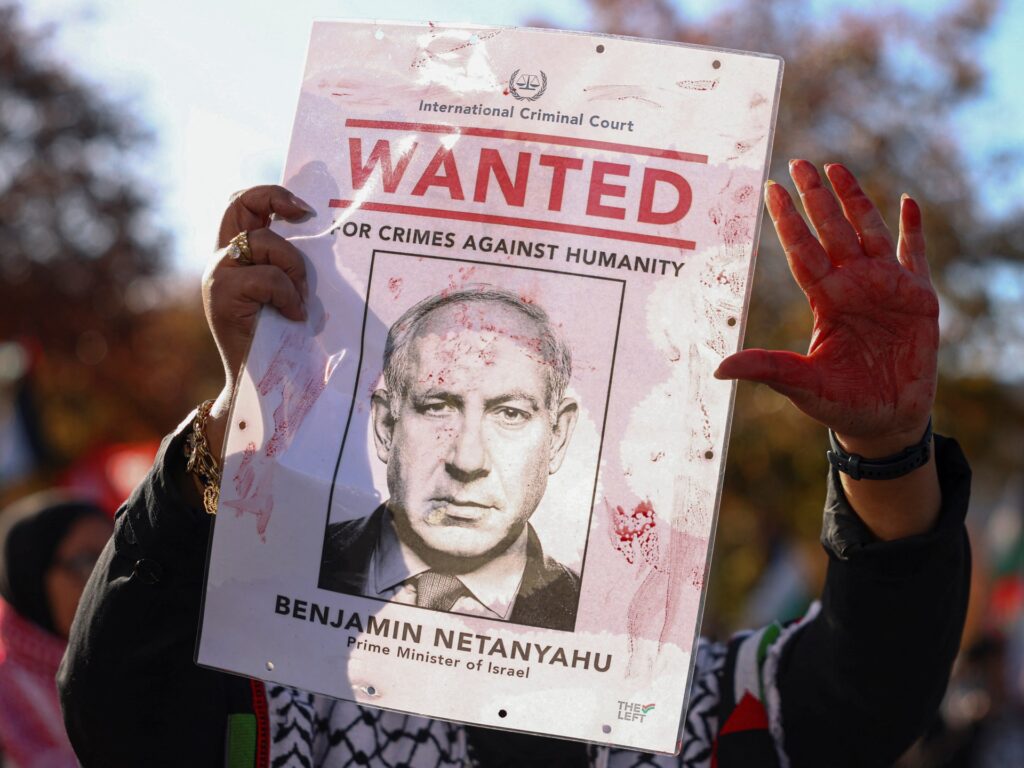
Israel’s relationship with Europe has been increasingly strained in recent years, with rising European condemnation over issues related to the Israeli-Palestinian conflict. The diplomatic rift reflects deepening disagreements over Israeli policies toward Palestinians and settlement expansion.
Despite the upcoming Israeli election prompting some speculation about potential changes, analysts suggest that the election outcome is unlikely to result in significant policy shifts regarding Palestinians. The current political landscape in Israel is polarized, and major parties offer limited prospects for altering the status quo.
European leaders have voiced concerns over Israeli actions perceived as undermining the prospects for peace. These include settlement developments in the West Bank and perceived erosion of Palestinian rights, which many European governments formally criticize.
This tensions have translated into tougher rhetoric and occasional diplomatic censure from Europe, affecting Israel’s international image and relations within European forums. However, economic and strategic ties between Europe and Israel remain substantial.
The Israeli electorate’s priorities in the election include security, economic stability, and domestic social issues, with less emphasis on changing course in the Israeli-Palestinian conflict. Mainstream political parties largely maintain similar stances on this front, and far-right elements, which are often more hardline, have grown influential.
For Palestinians, this means continued challenges with little expectation for major policy recalibrations resulting from Israel’s election. The fragmentation within Israeli politics further complicates efforts to pursue peace negotiations that Europe often advocates.
In essence, while the election is a pivotal event for Israel’s domestic governance and political alignment, it offers limited hope for mending the frayed diplomatic ties with Europe driven primarily by the enduring conflict and differing visions for the region’s future.
Observers note that meaningful change in these relations would likely require significant shifts in Israeli policy toward Palestinians, something not evidently on the immediate horizon despite electoral dynamics.
In conclusion, Israel’s upcoming election is unlikely to significantly heal its strained relationship with Europe or substantially alter the challenging reality for Palestinians, perpetuating ongoing diplomatic and political tensions in the region.