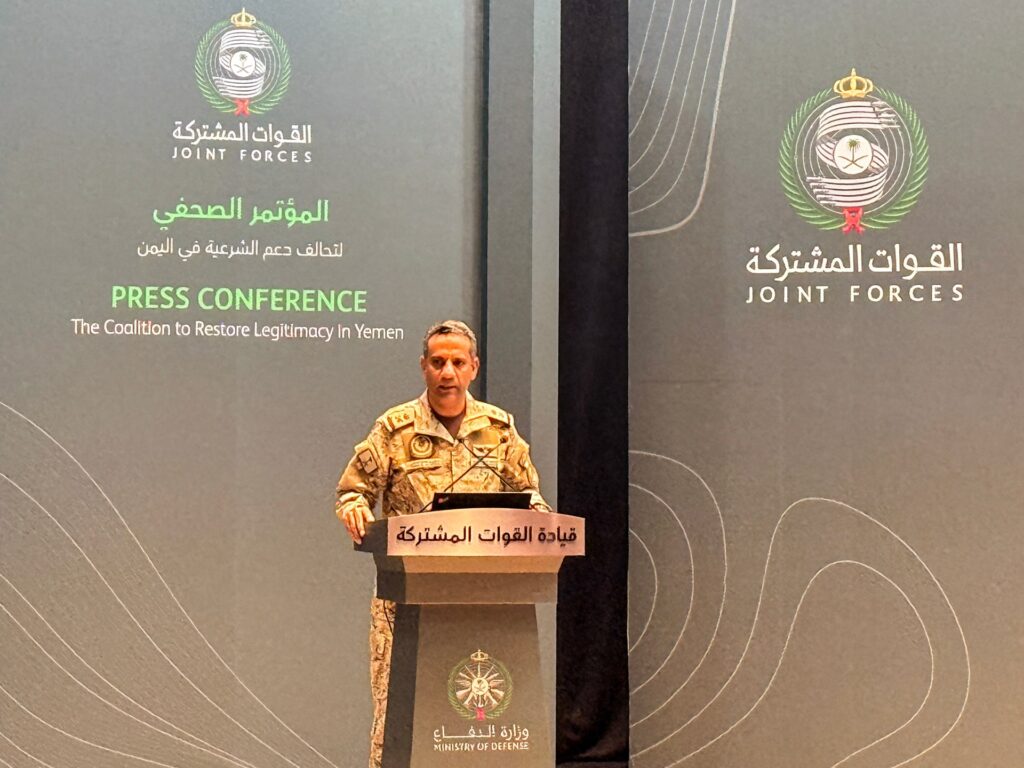
The Saudi-led coalition successfully intercepted and destroyed four drones that were launched over various regions of Saudi Arabia, including the capital Riyadh, the Eastern Province, and the southern region. This defensive action highlights the ongoing security challenges faced by the kingdom amid escalating regional tensions. The intercepted drones posed a significant threat to the country’s security infrastructure, prompting swift response measures by the coalition forces.
In response to the heightened threat level, the coalition has intensified its surveillance and air defense operations to protect vital areas within Saudi Arabia. The use of drones in regional conflicts has become increasingly common, serving as tools for reconnaissance and offensive attacks by hostile groups.
Meanwhile, Egypt is reportedly contemplating sending assistance to support the Saudi-led coalition’s efforts. Discussions are underway in Cairo regarding the scope and nature of the potential aid, which could include intelligence sharing, military support, or logistical cooperation. Egypt’s involvement would mark a significant development in regional security dynamics, demonstrating solidarity among allied nations facing shared threats.
The incident underscores the ongoing volatility in the Gulf region, where proxy conflicts and geopolitical rivalries often manifest through asymmetric warfare tactics like the use of drones. The Saudi-led coalition, which has been engaged in various military campaigns in the region, continues to prioritize the protection of its airspace and critical infrastructure from such incursions.
Experts note that the destruction of the drones serves as a reminder of the evolving nature of modern warfare, where non-traditional weapons systems play an increasingly prominent role. The coalition’s ability to detect and neutralize these threats rapidly is crucial for maintaining stability and ensuring the safety of civilians.
The broader context involves complex regional alignments, with Saudi Arabia and Egypt both playing pivotal roles in countering destabilizing forces. Their cooperation on security matters reflects a shared interest in curbing the influence of groups that employ unconventional means to challenge state authorities.
As the situation develops, close attention will be paid to any further escalations or adjustments in military strategy by the coalition and its partners. The effective interception of drones over multiple regions highlights the coalition’s operational readiness and commitment to safeguarding national sovereignty.
This event also raises questions about the sources and affiliations of the drones, pointing to ongoing intelligence efforts to track and dismantle supply networks fueling such attacks. The coalition’s proactive defense measures aim to deter future incidents and send a clear message to adversaries about the costs of aggression.
In conclusion, the interception of four drones over key regions of Saudi Arabia marks an important moment in the ongoing security challenges faced by the Saudi-led coalition. Egypt’s consideration of providing support further emphasizes the regional dimension of these issues, with allied nations uniting to confront emerging threats. Continued vigilance and coordinated defense strategies will be essential to maintaining peace and stability in the region moving forward.