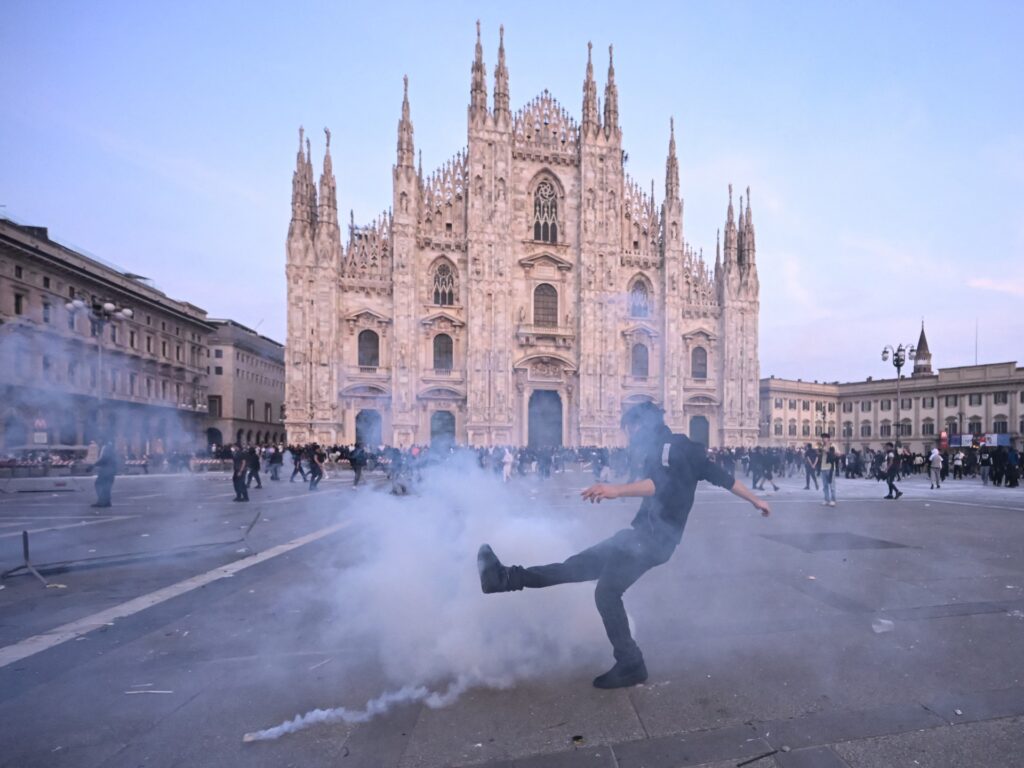
Across several European Union countries, significant demonstrations have erupted as hundreds of thousands of citizens took to the streets to protest the rising cost of living. These protests, spanning Belgium, Italy, Portugal, and France, highlight growing public discontent with economic conditions and governmental responses.
In Belgium, large crowds gathered in major cities demanding measures to alleviate the financial burden on households. Protesters cited soaring energy prices, inflation, and stagnant wages as key factors fueling their grievances.
Italy saw widespread participation from various social groups, including labor unions and youth organizations. Demonstrators called on the government to implement policies that safeguard workers’ rights and address the impact of inflation on everyday expenses.
Portugal’s protests brought attention to similar issues, with demonstrators urging authorities to improve social protections and ensure affordable access to essentials like housing and healthcare. The demonstrations reflected a broader concern about economic inequality and social justice.
France experienced some of the most intense protests, with large-scale rallies and marches taking place in Paris and other cities. The French government, already grappling with social unrest, faces increased pressure as citizens demand concrete actions to curb the rising cost of goods and services.
These coordinated protests across multiple countries underscore a shared sense of urgency among EU populations regarding economic hardships. As inflation rates remain high and energy costs fluctuate, governments are challenged to find sustainable solutions that balance economic growth with social welfare.
Analysts suggest that these developments may influence upcoming policy decisions at both national and EU levels, potentially leading to measures aimed at controlling inflation, supporting vulnerable populations, and promoting economic resilience.
The demonstrations also reveal a broader trend of civic engagement, where citizens actively mobilize to voice their concerns and advocate for systemic changes. This wave of activism may compel policymakers to prioritize cost-of-living issues within the EU’s broader socio-economic agenda.
As protests continue to pressure leaders, the coming months are likely to see intensified debates over fiscal policies, social spending, and reforms designed to improve the quality of life for millions of Europeans. The persistence of these movements highlights the critical importance of addressing the economic realities facing people across the continent.