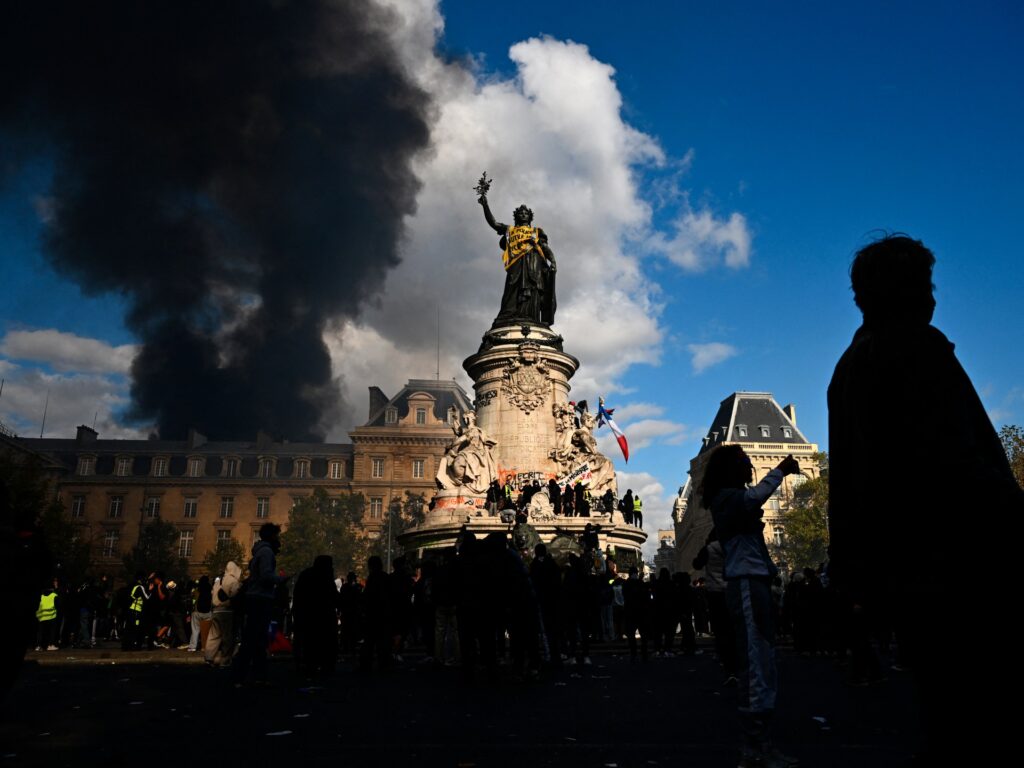
On a significant day of public dissent, more than half a million people across France, including Paris, took to the streets to protest against proposed reforms. The protests were marked by a diverse gathering of students, teachers, labor unions, and the ‘yellow vest’ movement, all united in their call for governmental change.
The protests reflect a growing unease within French society, where various groups have voiced concerns over social and economic policies. Demonstrations spread beyond Paris to other major cities, showing the widespread national unrest.
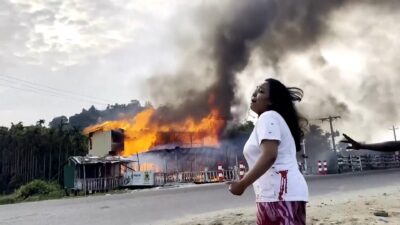
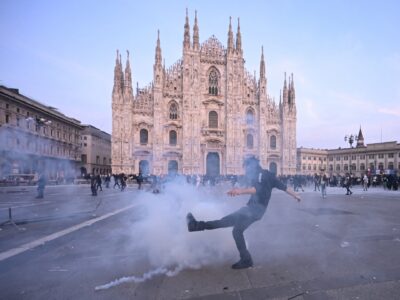
Authorities responded to the large gatherings with measures to maintain order, including the use of tear gas to disperse crowds when tensions escalated. The deployment of tear gas underscored the volatile nature of the protests and the firm stance taken by police forces against what they perceived as escalating disorder.
Students and teachers joined the demonstrations in substantial numbers, reflecting their frustration with education reforms that they argue could undermine the quality and accessibility of education. Labor unions also played a prominent role, voicing opposition to changes they fear could weaken workers’ rights and job security.
The ‘yellow vests’, a movement originally sparked by economic grievances, found common cause in the protests, highlighting broader concerns about inequality and government responsiveness.
Protesters marched with banners, chanted slogans, and called for the government to reconsider its policies. The scenes in Paris, where the largest demonstrations took place, saw moments of calm but also episodes of clashing between protesters and police.
The government’s proposed reforms include changes to pensions, employment laws, and public sector benefits, which many citizens believe disproportionately affect lower and middle-income groups.
Social media has been abuzz with images and videos from the protests, showing the scale of the unrest and the intensity of the confrontations. Many citizens expressed solidarity with the demonstrators, while others criticized the disruptions caused by the mass protests.
As the government faces mounting pressure, calls for dialogue and negotiation have emerged from political leaders and community organizations alike. However, the immediate future appears fraught with challenges as both sides stand firm on their positions.
The protests in France are a vivid reminder of the power of collective action and the ongoing struggles within democratic societies to balance reform with social equity and justice. They also underline the importance of addressing public concerns through transparent and inclusive dialogue to avoid escalation and to foster cohesion.
Moving forward, the French government is expected to engage more extensively with stakeholders to seek a resolution that can accommodate the diverse interests of its population. Meanwhile, citizens remain vigilant, determined to make their voices heard in the shaping of their nation’s future.