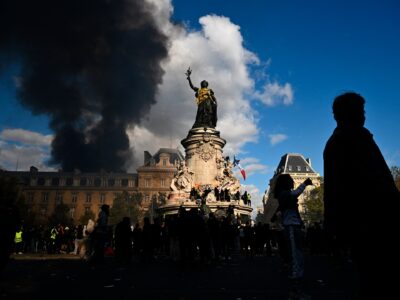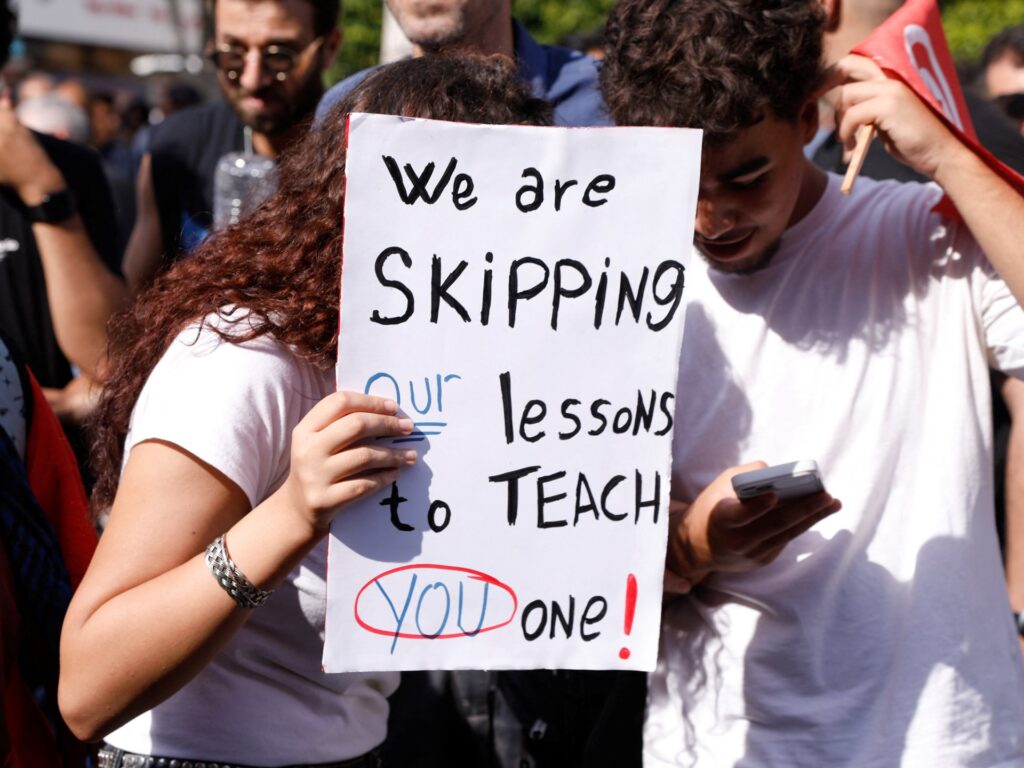
Thousands of Tunisians gathered to participate in the largest protest in years against President Kais Saied, signaling a significant escalation in the public’s dissatisfaction with the current political and economic situation in the country. This massive demonstration united a broad coalition of unions, opposition groups, and civil society organizations who came together to voice their frustrations over poor living conditions and increasing restrictions on political freedoms.
The protest reflects growing unrest among Tunisians who have been grappling with a worsening economic crisis, marked by rising inflation, high unemployment rates, and declining public services. Many citizens blame the government for its failure to effectively address these issues and fear that President Saied’s policies are further undermining the democratic progress established after the Arab Spring.
Opposition groups emphasized the erosion of democratic institutions under Saied’s rule, including the dissolution of parliament and the increased concentration of power in the presidency. Demonstrators called for the restoration of political freedoms, respect for the constitution, and the reinstatement of independent judiciary and media outlets.
Unions played a crucial role in organizing the rallies, highlighting the struggles of workers and ordinary Tunisians who face economic hardship. Their demands included better wages, job security, and improved social protections.
The protest took place in several cities across Tunisia, with the largest gatherings seen in the capital, Tunis. Despite the peaceful nature of most demonstrations, there were isolated incidents of clashes between protesters and security forces, raising concerns about potential government crackdowns.
Human rights organizations have condemned any use of excessive force and called on the authorities to allow peaceful assembly and dialogue with opposition groups.
International observers are closely monitoring the situation, as Tunisia’s stability is seen as a critical factor in the region’s security and democratic future.
President Saied has yet to publicly address the protests directly, but the growing scale of dissent poses a significant challenge to his administration. Analysts suggest that the leadership must find a way to engage with opposition forces and address the economic grievances to prevent further unrest.
The rally marks a pivotal moment in Tunisia’s post-revolution trajectory, underscoring the deep divisions and urgent need for political reconciliation and economic reform. As the country faces these challenges, the unity shown by diverse groups in opposing Saied’s policies signals a potential turning point in Tunisian politics.