In a significant development for Lebanon’s energy sector, Qatar has announced plans to establish a ‘massive’ solar power plant in the country. This ambitious project aims to bolster Lebanon’s renewable energy capacity and reduce its reliance on traditional power sources, addressing the persistent energy crisis faced by the nation.
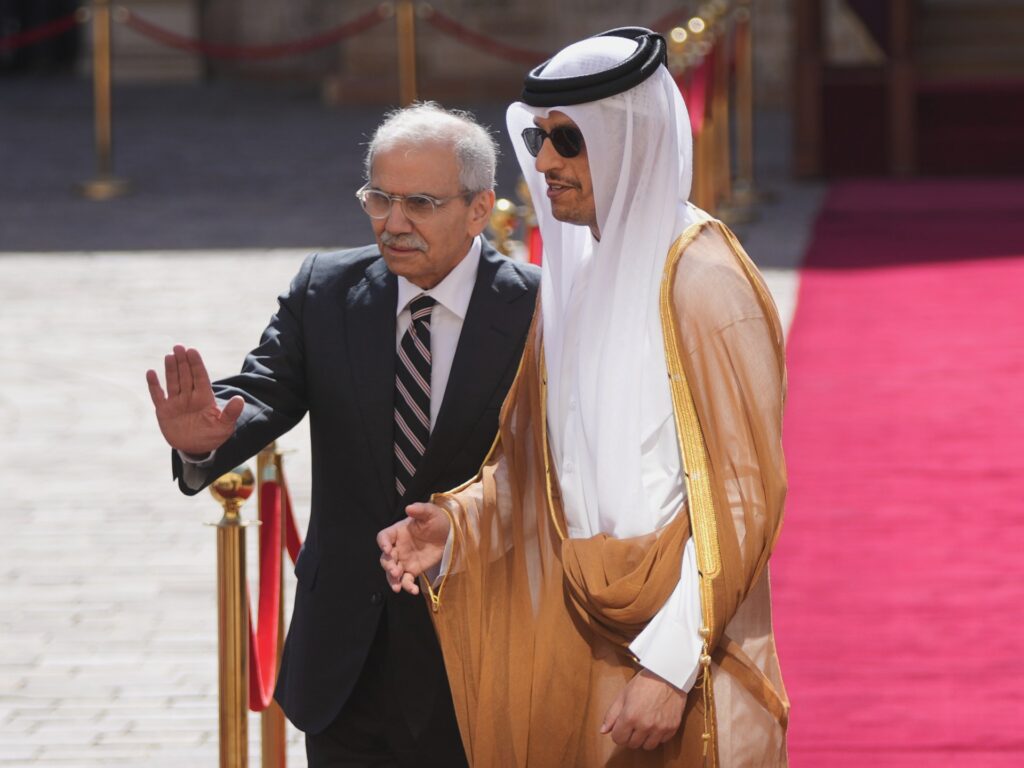
The announcement came during a high-level meeting where Sheikh Mohammed, a senior Qatari official, engaged in talks with Lebanon’s Prime Minister Nawaf Salam. The discussions encompassed not only the solar plant initiative but also broader regional security concerns.
Sheikh Mohammed highlighted challenges stemming from Israeli ‘violations’ in Lebanese territory, underscoring the ongoing tensions and the need for diplomatic efforts to resolve disputes peacefully. These violations refer to incursions and unauthorized activities reported in the disputed border areas, which have been a source of conflict and concern for Lebanon and its allies.
The solar plant project reflects Qatar’s commitment to supporting Lebanon’s infrastructure development and energy sustainability. By leveraging Qatar’s expertise and resources in renewable energy, the project is expected to create job opportunities, stimulate economic growth, and contribute to environmental conservation.
Lebanon has been grappling with frequent power outages and an overreliance on costly imported fuel, which have severely impacted its economy and quality of life for its citizens. The introduction of a large-scale solar facility represents a step towards energy independence and resilience.
Prime Minister Nawaf Salam expressed optimism about the partnership with Qatar, emphasizing the importance of regional cooperation in addressing Lebanon’s challenges. He also reiterated Lebanon’s stance on safeguarding its sovereignty and territorial integrity amid external pressures.
The project timeline and specific investment details are yet to be fully disclosed. However, it is anticipated that the collaboration will include knowledge transfer, technical support, and capacity building to ensure the sustainable operation of the solar plant.
This initiative aligns with global trends toward renewable energy adoption and reflects growing awareness in the Middle East of the need to diversify energy sources amidst geopolitical uncertainties.
In addition to energy and security matters, the discussions between Qatar and Lebanon signal a strengthening of bilateral ties. Both parties expressed a willingness to enhance cooperation in various sectors, including economic development, infrastructure, and environmental protection.
The solar plant project exemplifies a strategic partnership that could serve as a model for future collaboration between Gulf states and Levantine countries. It highlights the potential for addressing shared challenges through joint efforts and innovative solutions.
As Lebanon prepares to embark on this transformative energy journey, the international community watches closely, hopeful that such initiatives will foster stability, prosperity, and sustainable development in the region.
In conclusion, Qatar’s announcement of a massive solar plant project in Lebanon marks a pivotal moment in the country’s pursuit of energy renewal and geopolitical stability. The concurrent dialogue over Israeli territorial issues underscores the complex interplay of energy, diplomacy, and security in the Middle East today.