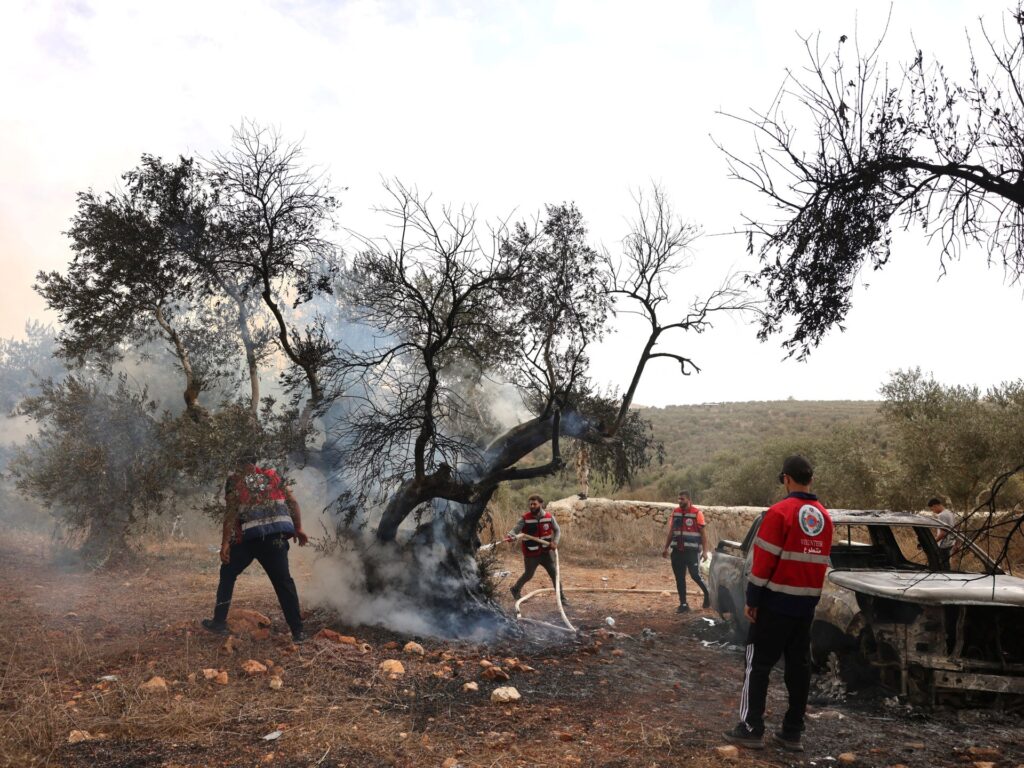
In the occupied West Bank, Israeli settlers have escalated violence during the olive harvest season, leading to serious injuries and renewed tensions in the region. According to reports, at least two individuals, including a journalist from the Washington Post, were injured in attacks by settlers armed with clubs and guns. These violent incidents are described as a pogrom against Palestinian farmers, who rely on the olive harvest as a vital source of income and sustenance.
The attacks occurred amid heightened tensions in the West Bank, where settlements have expanded and clashes frequently erupt. The olive harvest, a traditional agricultural activity, has increasingly become a flashpoint as settlers disrupt the work of Palestinian farmers, often using intimidation and violence to seize or damage their crops.
Eyewitnesses reported settlers aggressively targeting Palestinian communities around olive groves, employing weapons and physical force. The involvement of armed settlers in these attacks has raised concerns internationally about the safety and rights of Palestinian farmers under occupation.
The Washington Post journalist injured while covering the events highlights the risks faced by reporters in conflict zones and the restrictions on freedom of press in occupied territories. Human rights organizations have condemned the attacks and called for increased protection and accountability.
These violent acts are part of a larger pattern of settler aggression, which complicates efforts for peace and stability in the region. Palestinian communities have expressed frustration and fear as their livelihoods, land, and safety are increasingly threatened during the harvest season.
Israeli authorities have been criticized for failing to prevent or adequately address settler violence, often leading to a culture of impunity. The international community continues to call for restraint and respect for human rights, urging both sides to avoid actions that further escalate conflicts.
The olive harvest season is culturally and economically significant for Palestinians, and disruptions serve to deepen grievances and hinder prospects for coexistence. With repeated attacks and injuries, this year’s harvest has been marked by fear and uncertainty, underscoring the urgent need for diplomatic solutions and protections for all residents of the West Bank.