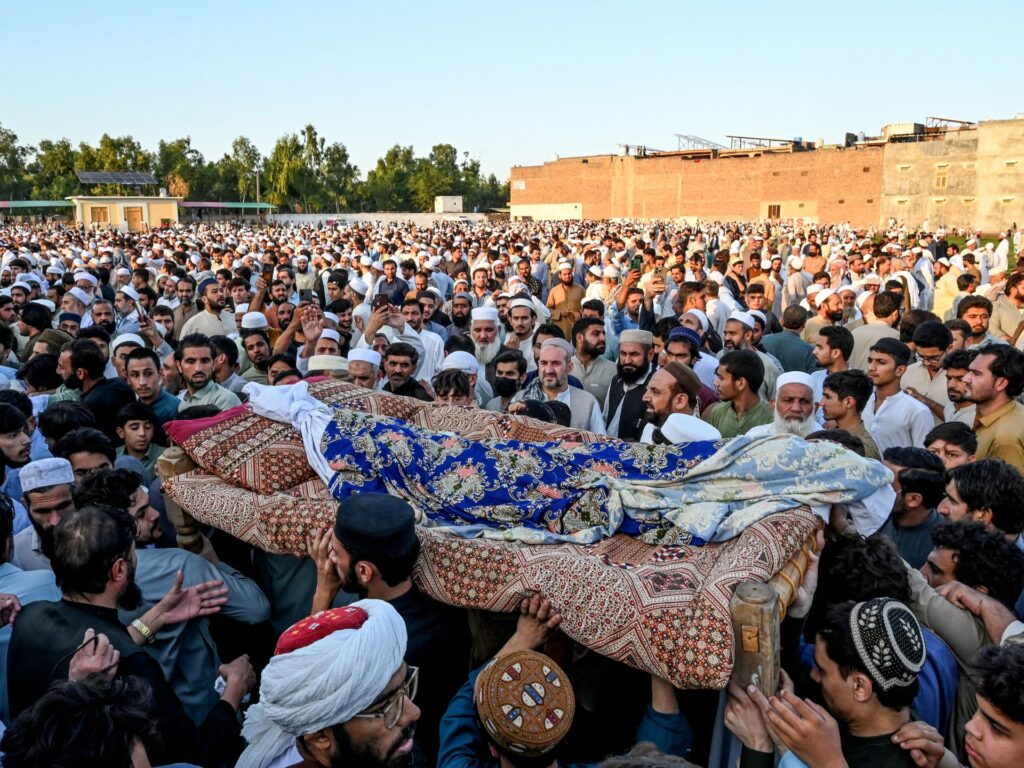
A tragic incident in Pakistan has prompted immediate government action after a school roof collapsed, resulting in the death of 35 individuals. The catastrophe has left families devastated and demanding justice as they revealed that warnings regarding the roof’s deteriorating condition had been raised prior to the disaster.
The collapse occurred during a time when the school was filled with students and staff, making the incident even more heartbreaking. Many of the victims were young students, drawing national and international attention to the need for urgent safety measures in educational institutions.
In the wake of the tragedy, the Pakistani government has ordered thorough inspections of all school facilities across the country. The primary aim is to prevent further such incidents by ensuring that buildings meet safety standards and do not pose risks to occupants.
Relatives of the victims expressed anger and grief, stating that they had alerted school authorities and local officials about the roof’s leaks multiple times before the collapse. They are now calling for accountability and have demanded a formal investigation to identify those responsible for neglecting maintenance and safety concerns.
The government’s directive includes deploying structural engineers and safety inspectors to conduct comprehensive assessments of schools’ infrastructure. These inspections will focus not only on roofs but also on other potential hazards that could compromise the safety of students and staff.
Experts emphasize that this incident highlights a broader issue of aging infrastructure and insufficient maintenance in many public buildings. Schools, especially in regions prone to harsh weather conditions, require regular upkeep to ensure the well-being of their occupants.
Community leaders have called for increased funding and resources to be allocated towards improving the safety and quality of educational facilities. They underscore that investments in school infrastructure are investments in the future of the nation’s children.
The tragedy has also sparked discussions on the need for stricter regulations and oversight in the construction and maintenance of public buildings. Advocacy groups suggest that transparent monitoring systems and accountability mechanisms must be implemented to prevent similar disasters.
In response to the incident, several schools across Pakistan have temporarily suspended classes to facilitate inspections and necessary repairs. Parents have expressed mixed emotions, balancing concerns for safety with a desire for their children’s education to continue uninterrupted.
This heartbreaking event has brought to light the urgent necessity for proactive measures in public safety, particularly in environments catering to children. It serves as a grim reminder of the consequences of neglecting infrastructure and the vital importance of addressing such issues before they culminate in tragedy.
As investigations continue, the country mourns the loss of young lives and stands united in the call for immediate actions that prioritize safety and accountability. The hope remains that this incident will lead to lasting reforms that safeguard the well-being of future generations in Pakistan.
The government has pledged to keep the public informed about the progress of inspections and the steps being taken to reinforce the safety of school environments nationwide. Families affected by the disaster are receiving support, yet the call for justice and accountability remains strong.
This event stands as a somber lesson for all stakeholders responsible for the care and management of educational institutions. It underscores the importance of listening to community concerns and acting swiftly to prevent avoidable tragedies.
In conclusion, the unfortunate roof collapse in a Pakistani school has catalyzed a nationwide initiative aimed at ensuring structural integrity and student safety in schools. It is a critical moment for reflection and action, emphasizing the need for diligence, oversight, and compassionate governance in protecting the nation’s youth.