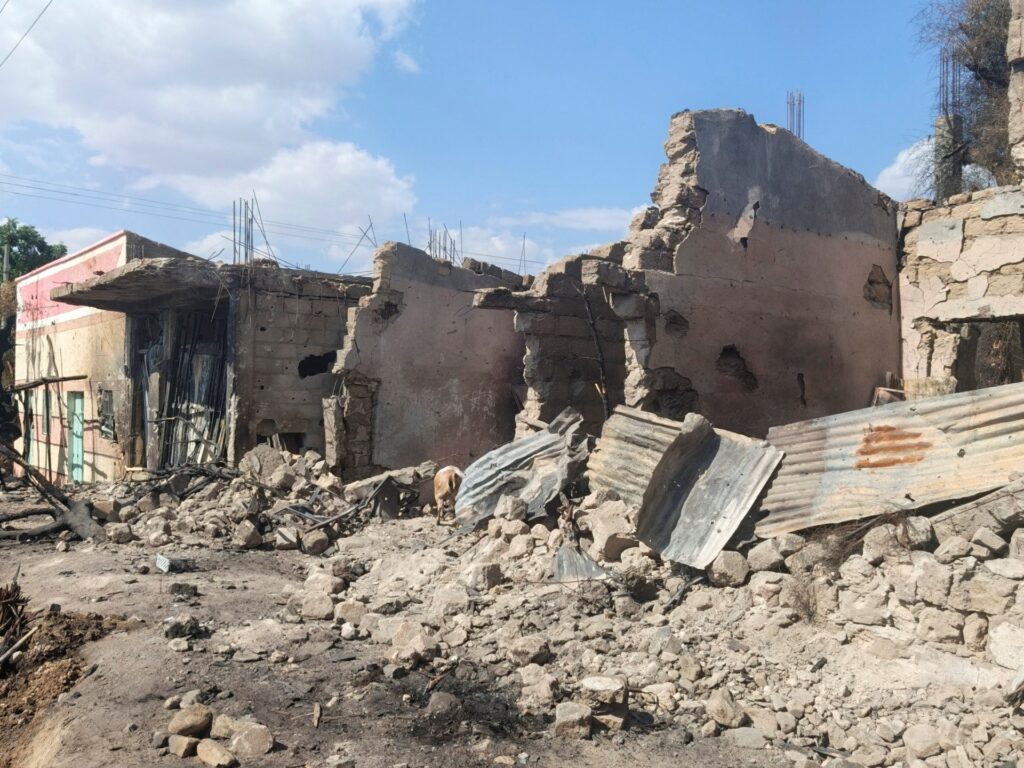
The conflict in northern Ethiopia’s Tigray region has seen significant developments as Ethiopian government forces expand their control, intensifying the ongoing struggle for dominance in the area. Ethiopian troops have reportedly made strategic advances, reclaiming key towns and regions previously held by Tigrayan forces.
Alongside the Ethiopian forces’ progress, the Tigray militia has claimed substantial losses inflicted on Eritrean forces, which they accuse of supporting the Ethiopian government militarily. These claims underscore the complex and multifaceted nature of the conflict, involving not just Ethiopian internal factions but also neighboring countries.
Despite these militancy assertions, the Eritrean government has firmly denied any troop movements or military involvement on Ethiopian soil. Eritrean officials emphasize their commitment to peace and refute reports suggesting they are engaged in combat operations within northern Ethiopia. This denial complicates the narrative around the conflict’s expansion and outside involvement.
The United States government has responded to the escalating tensions by calling for immediate de-escalation among all parties. The US stresses the importance of dialogue and humanitarian access to prevent further civilian suffering and to stabilize the volatile region. American officials have repeatedly urged adherence to international norms and respect for human rights amid the conflict’s heavy toll.
The Tigray conflict, which began in November 2020, has been marked by fierce fighting, widespread displacement, and severe humanitarian crises. Control over Tigray has changed hands multiple times, with Ethiopian federal forces and their allies opposing the Tigray People’s Liberation Front (TPLF).
Eritrea’s involvement, alleged by several sources but repeatedly denied by Asmara, remains a contentious issue internationally, drawing concerns about regional stability and the potential for the conflict to widen. The denial of troop presence by Eritrea contrasts with various eyewitness and humanitarian reports indicating cross-border military activity.
The current expansion of Ethiopian forces into Tigray could shift the conflict dynamics, potentially weakening the Tigray militia’s hold and paving the way for renewed peace negotiations. However, the situation remains fluid and unpredictable, with ongoing clashes reported in several hotspots.
Humanitarian agencies continue to face significant challenges in delivering aid due to access restrictions and security risks. The international community remains deeply worried about the dire conditions faced by civilians caught in the crossfire.
In summary, the Ethiopian military’s territorial gains in Tigray, claims of Eritrean losses by the militia, and Eritrea’s denial of involvement highlight the complexity and international dimension of the conflict. The US call for de-escalation reflects global concerns over escalating violence and the urgent need for peaceful resolution to prevent further suffering in the region.