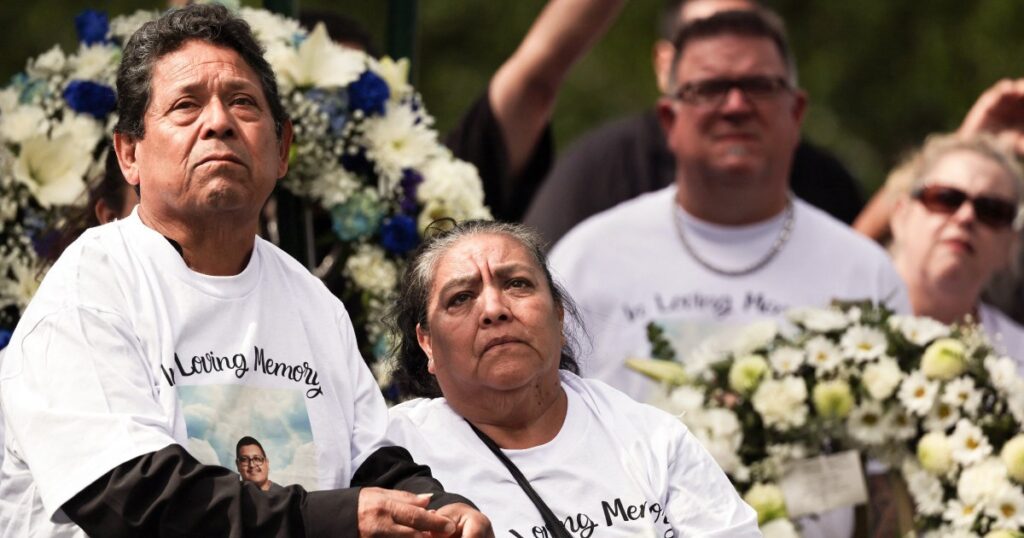
Ismael Ayala-Uribe’s death in ICE custody shines a tragic light on the harsh realities faced by detainees under U.S. immigration enforcement. He was among 53 people who died in ICE custody during the first 500 days of President Trump’s second term, highlighting ongoing concerns about the treatment and conditions within immigration detention centers.
Ismael Ayala-Uribe, a man with a life and dreams beyond detention, tragically passed away while in federal custody. His family’s story is a powerful reminder of the human cost behind immigration enforcement policies.
The circumstances of his death reflect broader systemic issues. Overcrowding, limited access to adequate medical care, and sometimes inadequate supervision have raised alarms among human rights organizations. Families of detainees often struggle to receive clear information and justice when a loved one dies in custody.
ICE custody has long been criticized for poor conditions and high rates of illness and injury among detainees. According to official statistics, 53 deaths occurred in the first 500 days of the Trump administration’s return to power, a sobering figure that underscores failures in the system.
Ismael’s family’s heartbreak is emblematic of the struggles faced by many families across the nation whose loved ones are detained for immigration enforcement. Their fight for answers and accountability continues, pushing for reform and improved oversight of ICE detention centers.
Human rights advocates argue that the deaths in custody demand urgent reforms, including better healthcare, increased transparency, and alternatives to detention whenever possible. They point to international standards that emphasize the importance of humane treatment for all detained individuals.
This tragic situation has drawn attention in media reports, legal challenges, and Congressional inquiries aiming to address the systemic problems within ICE.
Ismael Ayala-Uribe’s story is a poignant example of the complex intersection of immigration enforcement, human rights, and justice. While policies continue to evolve, the memories of those lost in custody demand a commitment to humane treatment, transparency, and accountability.
The family’s quest for truth remains ongoing, reflecting the broader conversation about how the U.S. handles immigration detention and the imperative to protect the dignity and lives of those in custody.