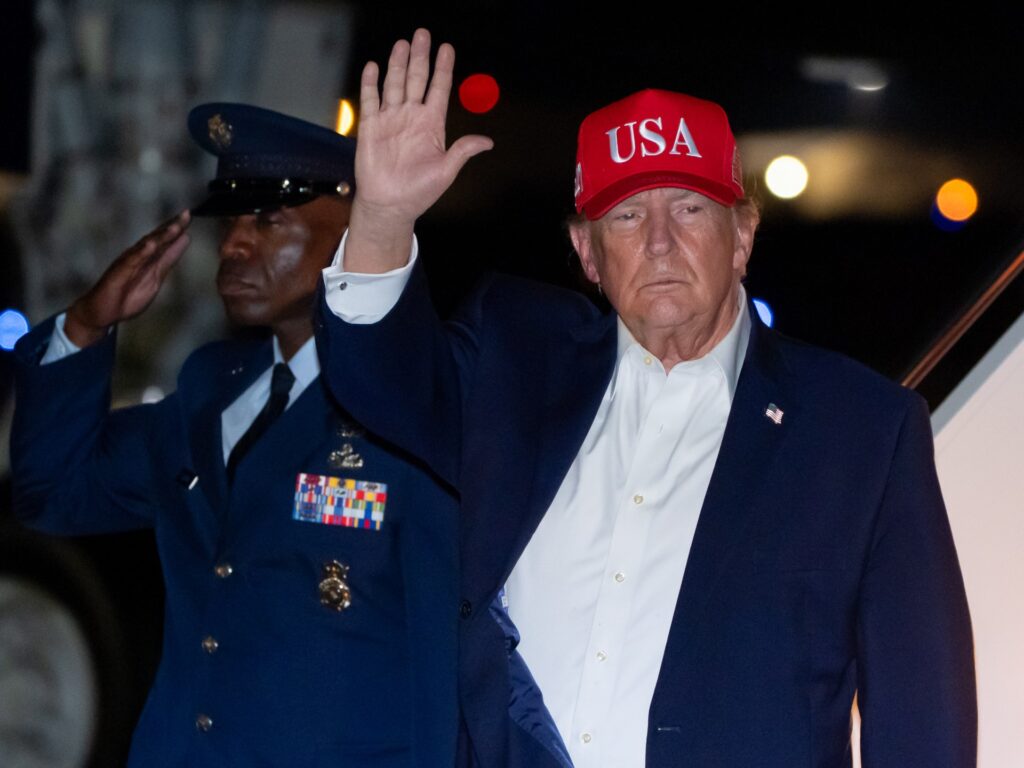
As the United States approaches its pivotal midterm elections, a recent poll has highlighted a potent mix of voter sentiments characterized by widespread disillusionment and significant economic concerns. This brewing frustration, particularly targeted at former President Donald Trump, sets a complex and volatile political landscape just weeks before election night.
The poll reveals that a substantial portion of the electorate is discontent with the current political climate, with many voters expressing a desire for change. The figure of Donald Trump remains a polarizing force, with frustrations stemming from his continued influence in the Republican Party and national politics. These sentiments are interwoven with ‘pocketbook anxieties,’ a term that captures voters’ worries about inflation, cost of living, job security, and financial stability.
This election cycle is shaping up to be a critical moment for the GOP, as these frustrations could affect traditional voting patterns. The Republican Party faces the challenge of addressing these economic issues while managing internal divisions, especially those relating to Trump’s role and policies. Meanwhile, Democrats are likely to capitalize on this voter unrest by positioning themselves as agents of change and economic relief.
Economic factors are playing a decisive role in voter choices. High inflation rates and a fluctuating job market have heightened the stakes for many Americans who are looking for policies that will alleviate financial stress. The poll indicates that economic security is a top priority for voters and could be a decisive factor in swing districts.
Additionally, the poll sheds light on voter turnout intentions, with enthusiasm among the electorate showing signs of wavering amid growing cynicism. This could lead to unpredictable results, especially in closely contested races.
Political analysts warn that the GOP must carefully navigate these turbulent waters if it hopes to maintain or grow its presence in Congress. The balancing act involves not only addressing economic issues but also managing the influence of Trump, whose leadership style and rhetoric continue to provoke strong opinions both for and against.
In this charged atmosphere, voter disillusionment underscores a broader demand for accountability and effective governance. The coming weeks will likely see intensified campaigns, as candidates from both parties strive to energize their bases and sway undecided voters.
Ultimately, the 2024 midterm elections are set against a backdrop of economic uncertainty and political unrest. Voters are clearly signaling their discontent with the status quo and their eagerness for meaningful change, making this election one of the most consequential in recent memory.
As the countdown to election day continues, attention will focus on how these factors influence voter behavior and the overall electoral outcomes, shaping the future direction of American politics.