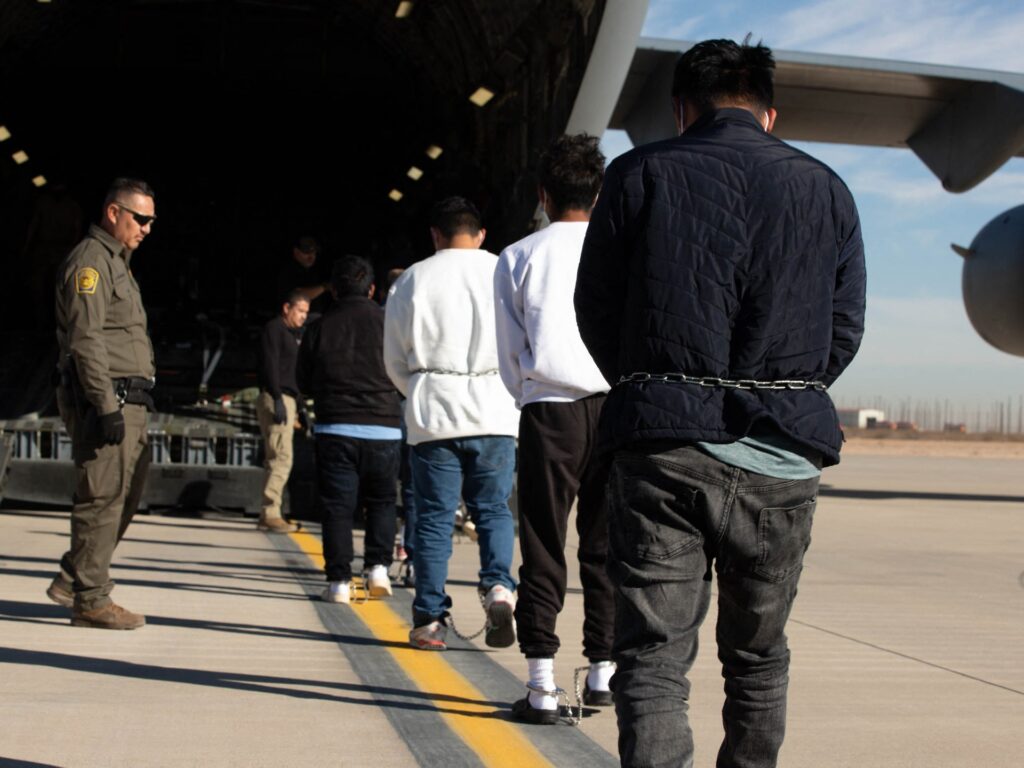
The Trump administration has intensified its policy of deporting migrants and asylum seekers to third countries—nations with which these individuals often have no established connections or ties. This approach has triggered widespread criticism from human rights advocates and international organizations, who warn that the practice violates international standards and endangers vulnerable populations.
Official data reveals that tens of thousands of individuals have been affected by this controversial policy. Instead of deporting migrants back to their countries of origin or allowing them to pursue the US asylum process, the administration has opted to send them to countries not previously linked to the migrants, sometimes without adequate consultation or guarantees of safety.
Critics argue that this strategy undermines the rights of asylum seekers to due process and protection under international law, particularly the principles of non-refoulement, which prohibit returning people to countries where they face persecution or danger.
The increased use of third-country deportations coincides with the Trump administration’s broader efforts to restrict immigration and harden the US immigration system. These measures have included tighter border controls, accelerated deportations, and significant reductions in the number of processed asylum claims.
Human rights organizations have issued statements condemning the practice, emphasizing that sending migrants to unfamiliar countries can lead to heightened risks of violence, detention, and deprivation of basic rights. They have called for greater transparency, accountability, and adherence to international legal obligations.
The global outcry highlights the tension between sovereign immigration policies and international human rights commitments. While nations have the right to control their borders, these rights must be balanced against the imperative to protect vulnerable individuals seeking refuge.
As this policy continues, legal challenges and advocacy efforts are mounting. Several advocacy groups are seeking injunctions to halt third-country deportations and urging lawmakers to reconsider the ramifications of such measures on the US’s moral and legal standing globally.
The debate over third-country deportations underscores the complexities of migration policy amid increasing global displacement. It raises difficult questions about the responsibilities of destination countries, the treatment of asylum seekers, and the potential human cost of stringent immigration enforcement.
Moving forward, experts suggest that a more humane and systematic approach is necessary—one that respects both national security concerns and international human rights standards. Only through comprehensive reform and international cooperation can the challenges of migration and asylum be addressed effectively and ethically.