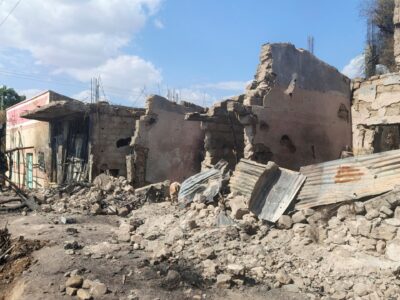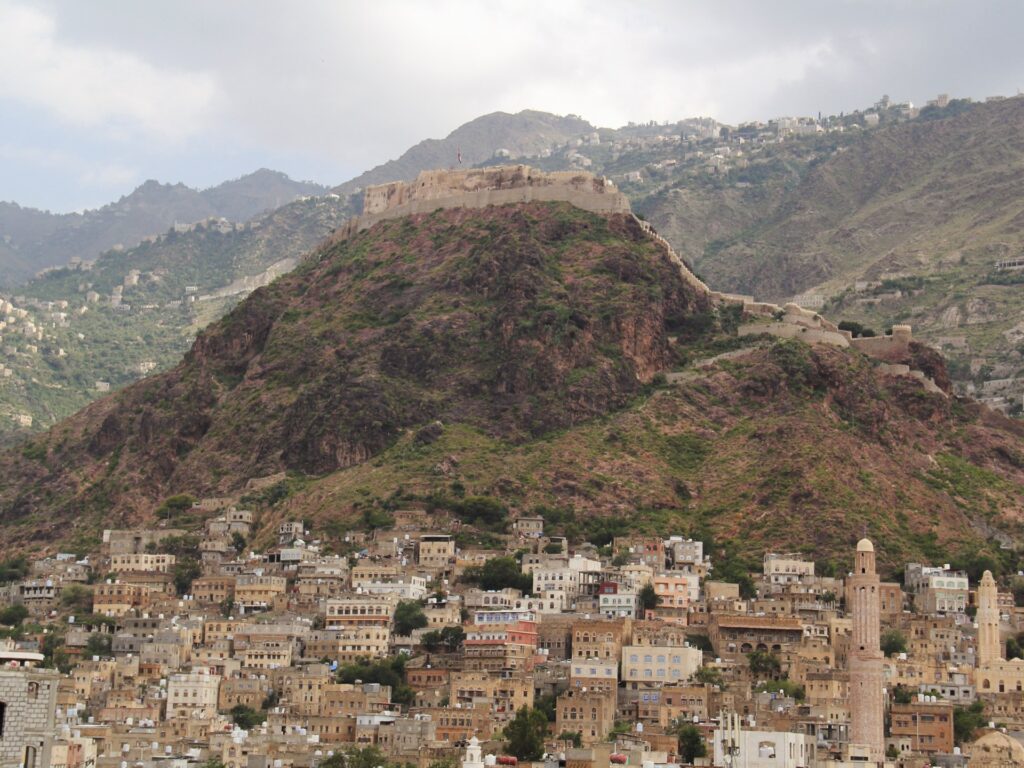
The Houthis have launched a missile attack targeting Yemen’s presidential palace located in Aden, a significant escalation in the ongoing conflict in the region. This attack underscores the continuing instability and the heightened tensions between the Houthi rebels and the internationally recognized Yemeni government.
The presidential palace in Aden, which serves as the temporary capital for the Yemeni government, was struck by missiles, causing considerable concern for security and raising questions about the protective capabilities around key governmental sites. The attack led to immediate condemnation from several international observers and governments involved in the Yemeni conflict.
In response to the missile strike, the Saudi-led coalition, which supports the Yemeni government, has strongly accused the Houthis of sourcing missile parts from regional state actors. These accusations point to a broader regional involvement in the Yemen conflict, suggesting that the Houthis have been able to enhance their missile capabilities through external support.
The Saudi-led coalition’s claim highlights the complex geopolitical dimensions of the Yemen war, with neighboring countries allegedly playing a role in the supply chain of weaponry to the Houthi rebels. This has exacerbated the conflict, making diplomatic resolutions more challenging to achieve.
The missile attack on the presidential palace is part of a series of aggressive moves by the Houthis aimed at undermining the Yemeni government and its allies. These attacks are often viewed as retaliations or attempts to assert greater control over strategic locations in Yemen.
Security forces in Aden have increased their vigilance following the attack, implementing heightened security measures to prevent further missile strikes and to safeguard government officials.
The international community continues to urge for restraint and renewed dialogue between the conflicting parties in Yemen. The ongoing war has led to one of the world’s worst humanitarian crises, with millions of Yemenis suffering from hunger, disease, and displacement.
Efforts to address the conflict have involved various peace talks and ceasefire negotiations, but the situation remains volatile, with frequent violations reported by both sides.
The Houthis, officially known as Ansar Allah, have been fighting the Saudi-backed Yemeni government for control over Yemen’s political future. The missile attack on the presidential palace illustrates their capability and willingness to strike high-profile targets.
The accusations by the Saudi-led coalition about regional states supplying missile parts add a new layer of complexity to the conflict, potentially implicating countries beyond Yemen’s borders in the ongoing violence.
This development may prompt increased international scrutiny and calls for intervention to stop the flow of weapons into the conflict zone.
As the war in Yemen continues, the targeting of the presidential palace serves as a stark reminder of the fragile state of governance and the persistent security threats faced by the nation’s leadership.
It also raises concerns about the stability of Aden, a city that has seen fluctuating control between different factions throughout the conflict.
In conclusion, the missile attack on Yemen’s presidential palace by the Houthis marks a significant incident in the protracted conflict, highlighting the ongoing challenges in achieving peace and security in the region. The accusations from the Saudi-led coalition about the procurement of missile parts from regional states further complicate the geopolitical landscape, underscoring the need for a comprehensive and inclusive resolution to the crisis in Yemen.