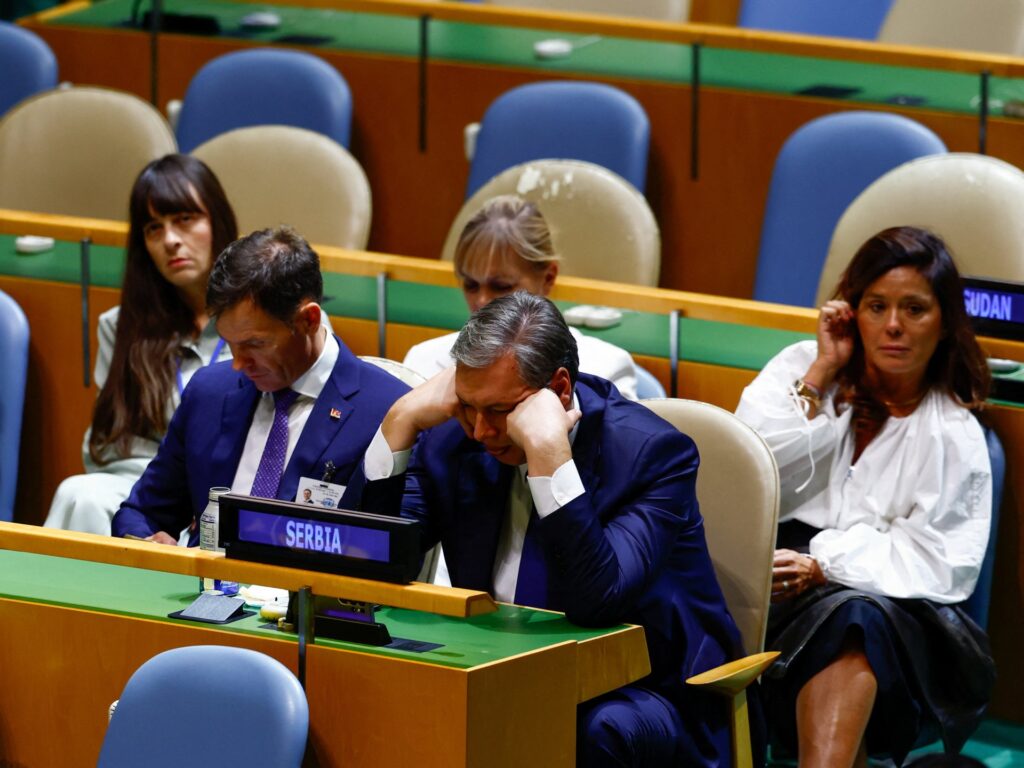
The political landscape of the Balkan region is marked by a distinct lack of unified approach towards foreign relations, especially when it comes to Israel. Unlike blocs that have cohesive foreign policies, Balkan countries maintain individual stances influenced by their unique local politics, defense requirements, and strategic interests. This fragmented approach underscores the broader complexities in Balkan international relations and highlights the nuanced calculations each country makes regarding its partnership with Israel.
Historically, Balkan nations have had diverse interactions with Israel, shaped by varying diplomatic priorities and historical experiences. These factors continue to play a significant role in how each country positions itself in relation to Israel in the present day. The ties are not merely ceremonial or symbolic; they often encompass significant defense collaborations and trade agreements, which reinforce the strategic importance of these relationships.
Local political dynamics are crucial in shaping these interactions. Often, domestic political agendas and party politics determine the level and nature of engagement with Israel, resulting in policies that may diverge sharply even among neighboring countries. For instance, the political leadership in some Balkan countries may prioritize security collaborations with Israel to address common threats, such as terrorism or cyber warfare, while others may adopt a more cautious or ideologically driven stance.
Defense deals between Israel and Balkan countries are a cornerstone of their relationships. Israel’s advanced military technology and expertise attract Balkan states eager to modernize their armed forces or enhance their security apparatus. These deals not only bolster the defense capabilities of Balkan nations but also create interdependencies which can influence diplomatic posture.
Strategic interests beyond defense, including economic ties in technology, agriculture, and energy, also shape how Balkan countries engage with Israel. These sectors provide the impetus for cooperation beyond traditional diplomatic channels, fostering long-term partnerships. Moreover, the burgeoning startup ecosystems in some Balkan states find Israel’s renowned innovation environment highly appealing, encouraging knowledge exchange and investment.
However, the absence of a unified Balkan front on Israel stems largely from the region’s complex mosaic of ethnicities, religions, and political ideologies. This diversity breeds divergent views on geopolitical matters. For example, public opinion in some countries may be influenced by historical affiliations or solidarity with other regional actors, affecting governmental approaches towards Israel.
The impact of international players such as the European Union and the United States also cannot be ignored. While these external actors advocate for certain alignments, Balkan countries calibrate their policies in ways that best serve their national interests. Consequently, while there might be broad regional trends, they do not translate into a concerted policy towards Israel.
This decentralized approach has implications for Israel’s diplomatic strategy in the Balkans. It requires Israel to engage on a bilateral basis, tailoring its diplomacy to the specific circumstances of each country. Such individualized diplomacy can be resource-intensive but is necessary to navigate the Balkan political terrain effectively.
In conclusion, the varied political, defense, and strategic priorities of the Balkan countries ensure that their ties with Israel remain distinct and multifaceted rather than unified. This reflects the broader pattern of Balkan international relations, where national interests and internal dynamics often outweigh regional cohesion. Understanding this complexity is essential for policymakers and analysts seeking to grasp the evolving nature of Balkan-Israeli relations.