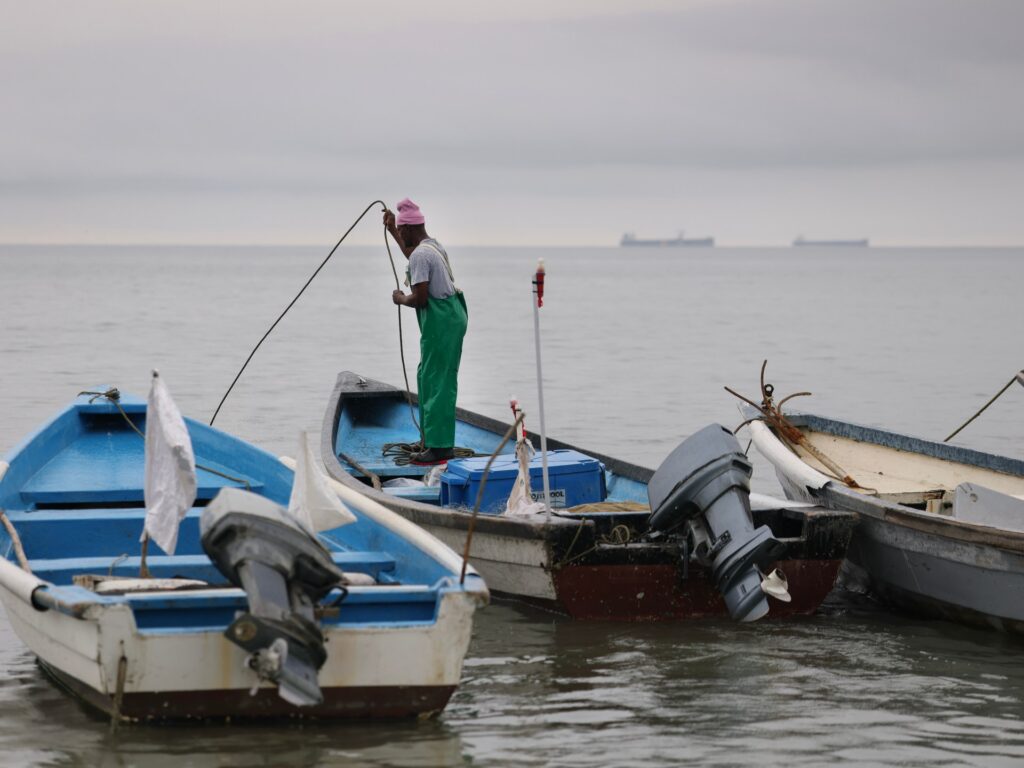
In a heart-wrenching call for justice, families of Trinidadian men killed in a recent US boat strike are demanding accountability and transparency. The tragic incident has spotlighted a broader pattern of deadly boat strikes by the US administration, which human rights advocates denounce as extrajudicial killings.
The deaths of these men have reverberated through Trinidad and Tobago, a close-knit community shattered by loss and grief. The incident reportedly occurred during a maritime operation attributed to the Trump administration, a period marked by an aggressive stance on border control and anti-smuggling efforts.
According to reports, at least 239 individuals have lost their lives in similar boat strikes since the Trump administration took office. Critics argue that these operations often bypass legal protocols, resulting in fatal outcomes that amount to extrajudicial killings. Families left behind are calling for thorough investigations to understand the circumstances of these deaths and to hold responsible parties accountable.
Human rights organizations have condemned the strikes, labeling them as violations of international law and calling for the US government to adhere to established maritime engagement rules. The families’ demands include not just truth and justice but also reforms to prevent such tragedies in the future.
Trinidadian community leaders are rallying support to bring international attention to the issue, emphasizing the need for diplomatic dialogue and policy changes that respect human rights. The tragedy has also sparked discussions on the US coastal enforcement policies and the ethical considerations surrounding the use of force in maritime operations.
As the outcry grows louder, the families of the victims remain steadfast in their quest for accountability. They are urging both the US and Trinidadian authorities to collaborate on a path forward that prioritizes justice and human dignity.
This incident is a stark reminder of the human cost of aggressive border enforcement strategies and the urgent need for oversight and reform. The international community watches closely as families seek closure and demand that lessons be learned to prevent future losses.
The killing of Trinidadian men in these boat strikes reflects a broader challenge facing multiple nations grappling with migration, security, and humanitarian concerns at sea. The evolving story underscores the critical importance of upholding human rights standards in all enforcement actions.