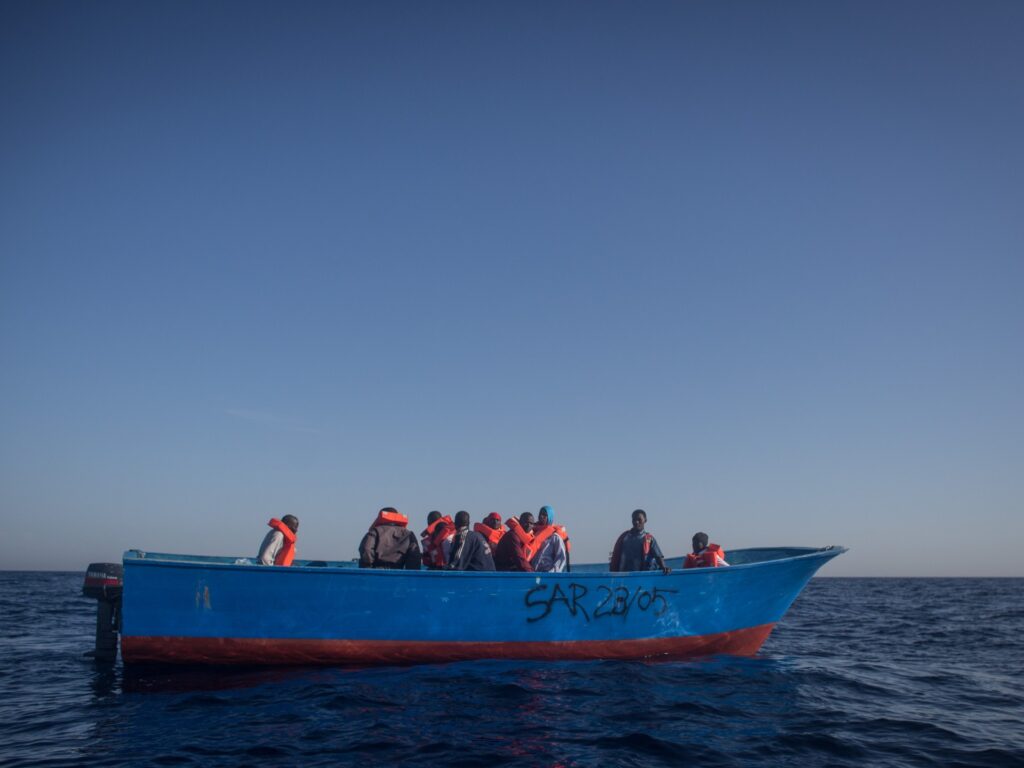
A prominent Spanish NGO has announced the suspension of its search-and-rescue operations in the Mediterranean Sea, citing soaring fuel prices as the primary reason for halting their efforts. The NGO, which has been actively engaged in rescuing migrants and refugees attempting the perilous journey across one of the world’s deadliest migration routes, revealed that the escalating costs have rendered their mission financially unsustainable.
The Mediterranean Sea continues to be a grave passage for thousands of migrants fleeing conflict, poverty, and persecution in various countries. Search-and-rescue missions conducted by humanitarian organizations have been vital in saving countless lives from drowning and other maritime dangers. However, these operations require substantial resources, including fuel, which has seen a sharp increase in cost globally.
According to reports from The Sydney Morning Herald, the NGO declared that it can no longer afford to maintain its rescue vessels active due to the rise in fuel expenses. This suspension comes at a critical time when the migration flow remains heavy, and the risk to human life is alarmingly high.
The decision to pause rescue missions has sparked concern among international communities and human rights advocates who warn that the absence of vital rescue services will likely lead to more tragic fatalities in the Mediterranean, a region already burdened with numerous migrant deaths annually.
This development underscores the broader challenges faced by NGOs operating in humanitarian crises, particularly the financial vulnerabilities that can compromise life-saving operations. The reliance on fuel, a costly commodity exacerbated by geopolitical tensions and economic disruptions, highlights the fragility of such initiatives.
In response, calls for increased funding, governmental support, and innovative solutions to sustain search-and-rescue efforts have intensified. Some experts suggest that international cooperation and dedicated financial mechanisms are essential to ensure continuous and effective humanitarian assistance in migration hotspots.
Meanwhile, migrant advocacy groups have urged the international community to address the root causes of migration and provide safer legal pathways to prevent dangerous sea crossings. The halt of rescue operations serves as a stark reminder of the precarious situation faced by migrants and the urgent need for comprehensive policies.
The NGO’s suspension of Mediterranean rescue work due to fuel price inflation marks a significant setback in the ongoing efforts to safeguard vulnerable populations at sea. With the future of these missions uncertain, the humanitarian sector faces the pressing task of securing sustainable resources to continue protecting lives on one of the most treacherous migration routes worldwide.