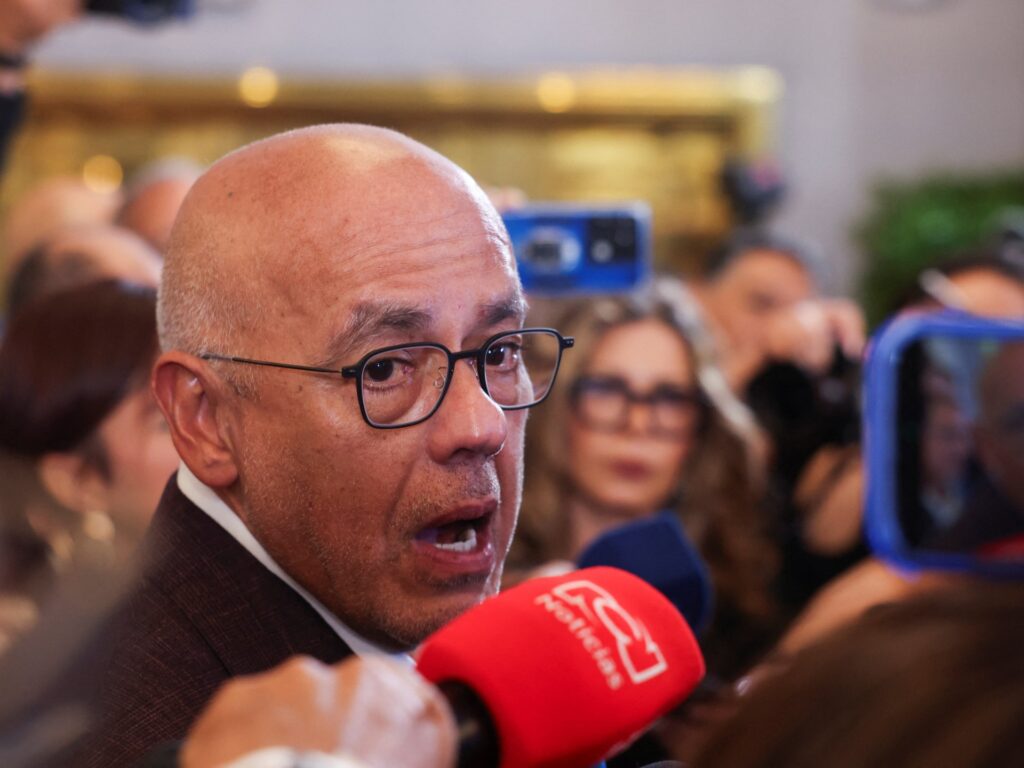
In a significant move signaling a shift in diplomatic relations, the United States has lifted sanctions on Jorge Rodriguez, Venezuela’s top legislator and influential political figure. Rodriguez had been on the Office of Foreign Assets Control (OFAC) sanctions list, which restricted his ability to engage in international financial and diplomatic activities. This latest development marks a strategic change in US policy aimed at increasing its influence over Venezuela’s vital oil sector and fostering a more cooperative bilateral relationship.
For years, the US government imposed sanctions on several Venezuelan officials, including Jorge Rodriguez, as part of a broader strategy to pressure the Venezuelan government amid political and economic turmoil. These sanctions targeted key figures within the Venezuelan administration, aiming to curtail corruption and human rights abuses while promoting democratic reforms.
The removal of Rodriguez from the sanctions list is part of a renewed US push towards diplomacy and negotiation. Analysts suggest that this step reflects Washington’s interest in stabilizing Venezuela’s oil production and supply, which has been in decline due to sanctions and internal mismanagement. Venezuela possesses some of the largest proven oil reserves globally, making it a critical player in the global energy market.
US officials have indicated that lifting sanctions on Rodriguez may pave the way for more open diplomatic channels between the two countries. It could also facilitate discussions aimed at ensuring steady oil exports, contributing to global energy security amid fluctuating oil prices and supply concerns.
Rodriguez, known for his strong support of the Venezuelan government and President Nicolas Maduro, has been influential in shaping the country’s legislative and political landscape. His removal from the sanctions list could enable him to participate more actively in international forums and negotiations on behalf of Venezuela.
Critics of the policy shift express concern that lifting sanctions might weaken leverage over the Venezuelan government, potentially allowing continued human rights violations and authoritarian practices. However, proponents argue that engagement and dialogue are essential to resolving ongoing conflicts and achieving sustainable solutions.
The move has been welcomed by several international observers and diplomats who see it as a pragmatic step towards rebuilding trust and cooperation. It may also set a precedent for lifting other sanctions, contingent on progress in political and economic reforms in Venezuela.
As global energy markets remain volatile, securing stable Venezuelan oil exports could have broader implications for economic recovery and price stabilization worldwide. This development underscores the complex intersection of foreign policy, energy security, and international diplomacy.
In conclusion, the US decision to lift sanctions on Jorge Rodriguez represents a nuanced effort to balance pressure with diplomatic engagement. It highlights a recalibration in US-Venezuela relations aimed at addressing mutual interests, particularly in the energy sector, while continuing to navigate complex political challenges.