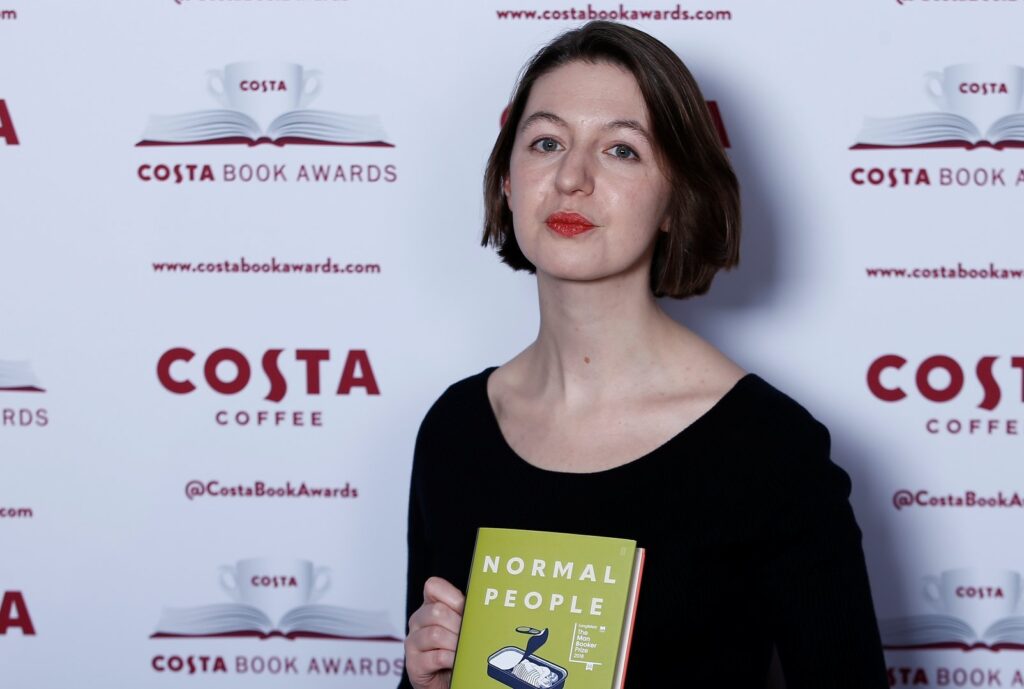
Award-winning author Sally Rooney has recently become the center of controversy as her books are being withdrawn from UK stores due to her support for Palestine Action, a pro-Palestinian activist group. This development has sparked a significant debate on freedom of expression, politics in literature, and the impact of authors’ personal beliefs on the availability of their work.
Sally Rooney, acclaimed for her novels such as “Normal People” and “Conversations with Friends,” has garnered international praise for her literary craft and insightful portrayal of contemporary relationships. However, her outspoken support for Palestine Action, which campaigns against British companies and policies perceived to support the Israeli occupation, has provoked strong reactions.
The decision to pull Rooney’s books from UK shelves comes amidst growing tensions around the Israeli-Palestinian conflict and increased activism in the UK. Palestine Action is known for its direct action tactics aimed at companies involved in arms trading and operating in Israel’s settlements, which are often critiqued under international law.
Publishers and retailers in the UK have reportedly faced pressure from various groups and customers to respond to Rooney’s political stance. Some have chosen to discontinue her titles temporarily, citing concerns over public backlash and the desire to avoid being seen as endorsing a particular political ideology.
Critics of this move argue that censoring books based on an author’s political views threatens the core principles of free speech and artistic freedom. They emphasize that literary works should be evaluated on their artistic merit rather than the personal beliefs of their creators.
Supporters of the withdrawal say that it reflects a broader trend of holding public figures accountable for their political positions, especially when these involve complex international conflicts. They argue that consumers have the right to choose what to support and that retailers are responding to market demands.
The controversy has also sparked discussions about the role of authors in activism and whether personal advocacy should influence professional opportunities. Sally Rooney has been vocal about using her platform to highlight social justice issues, and this incident has placed her at the forefront of debates on the intersection between art and politics.
Internationally, Rooney’s books continue to be available, and the backlash appears concentrated in the UK market. This situation underscores the varying degrees of political sensitivities and the influence of local social dynamics on literary distribution.
Industry experts warn that such actions could set a precedent for future cases where publishers and booksellers might opt to withdraw works based on political affiliations, potentially narrowing the diversity of voices in literature.
As of now, neither Rooney nor her representatives have released a formal statement regarding the book withdrawals. The unfolding narrative remains a poignant example of how cultural products can become embroiled in geopolitical disputes.
This episode also highlights the growing intersection between art, activism, and commerce in the modern age, raising important questions about the responsibilities of creators and the limits of consumer choice in politically charged environments.
The full implications of this development are yet to be seen, but it undoubtedly ignites important conversations about the rights of authors, the freedom to support causes, and the impact of political beliefs on creative industries.