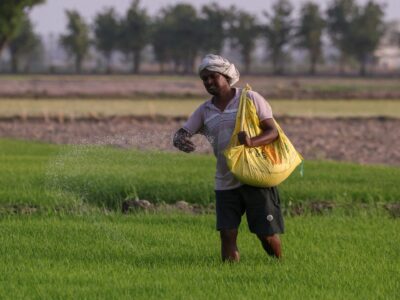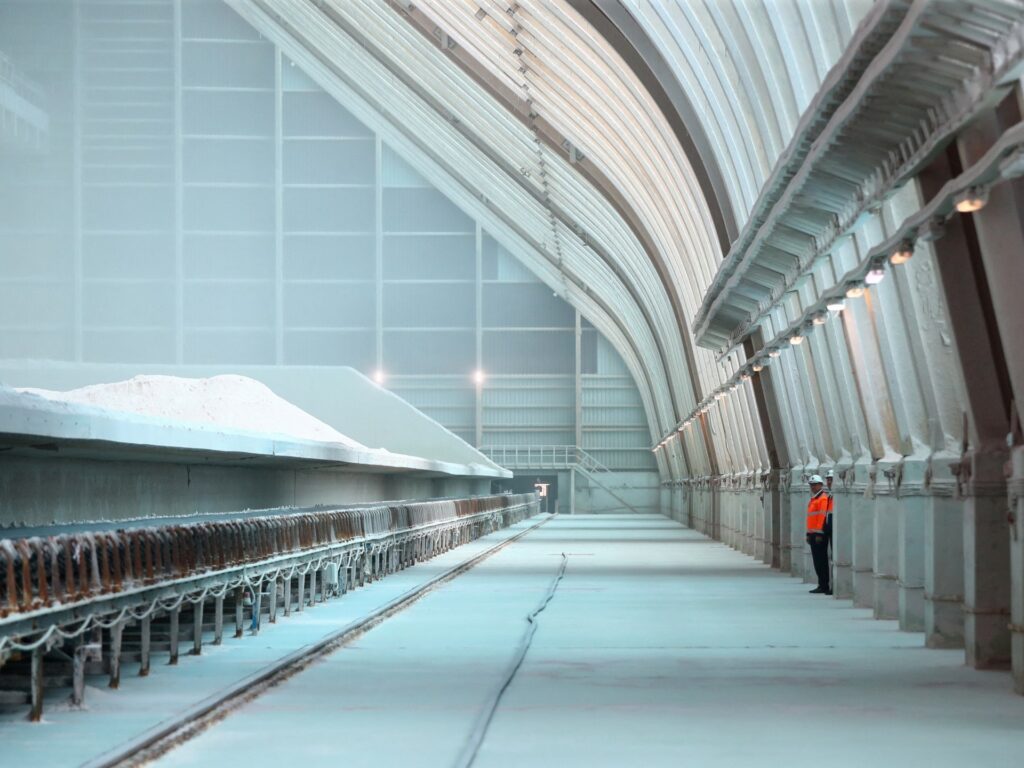
Potash is a vital mineral primarily used in fertilizers to enhance crop yields by providing essential potassium to the soil. It plays a crucial role in agriculture by improving water retention, nutrient value, and overall plant health, making it indispensable for farming and food production worldwide.
The United States has traditionally relied on Canada as its primary source for potash imports. However, recent trade tensions and geopolitical issues have led to concerns about the reliability and cost of Canadian potash supplies. These developments have increased the cost pressures on US farmers, who depend heavily on affordable fertilizers to maintain productivity and profitability.
In this context, the US has turned to alternative sources of potash, including imports from Belarus. Belarus is one of the world’s largest exporters of potash, possessing vast reserves and production capacity. Importing potash from Belarus helps diversify the US supply chain, reducing dependence on Canadian potash and mitigating risks associated with trade disputes.
This shift has multiple implications:
1. Cost Management: With increased options, US importers can potentially negotiate better prices, helping to relieve some of the cost burdens faced by American farmers.
2. Supply Security: Diversifying suppliers ensures more stable potash availability, safeguarding the agricultural sector against supply shocks.
3. Geopolitical Considerations: Engaging with Belarus involves navigating complex international relations, given the geopolitical landscape and sanctions considerations impacting trade.
Despite these potential benefits, the move is not without controversy. Environmental and political concerns regarding Belarus, as well as potential reactions from Canada, play a role in shaping the dynamics of potash imports. Additionally, the US continues to focus on developing domestic fertilizer production capabilities to lessen foreign dependence.
In conclusion, potash is essential for modern agriculture, and the US importing it from Belarus reflects a strategic response to market pressures and trade challenges. This approach aims to stabilize fertilizer costs for farmers while balancing geopolitical and economic factors influencing the global potash market.