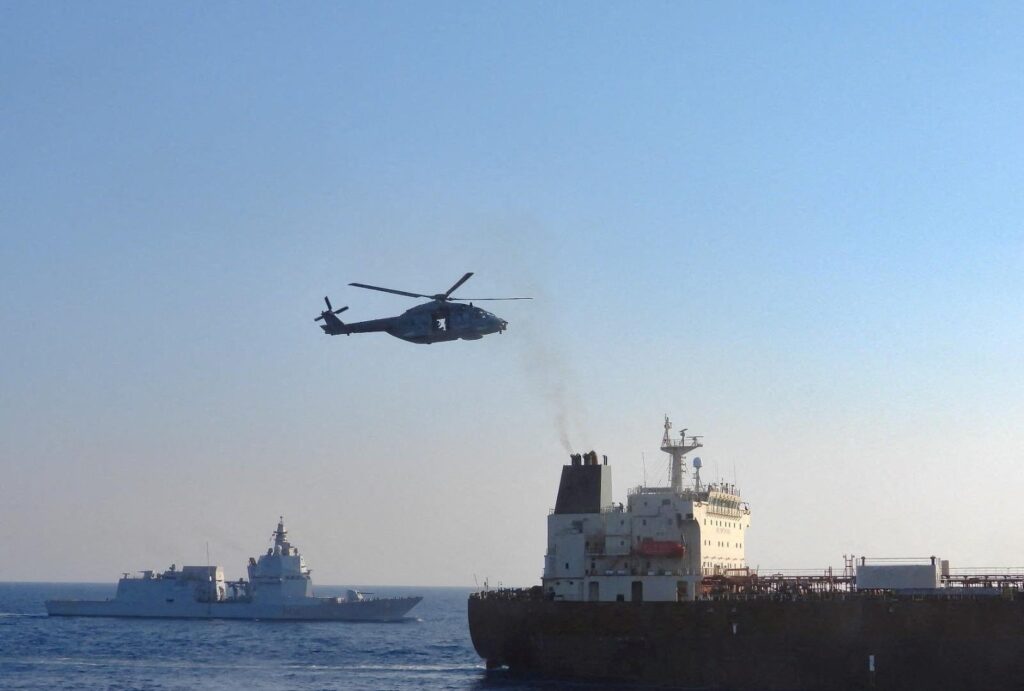
The implementation of the Law of the Sea has become a pivotal tool in the ongoing efforts by Western allies to combat the covert transportation of sanctioned Russian oil. With increased international focus on economic sanctions against Russia, particularly in response to geopolitical conflicts, maritime law has provided a legal framework for the inspection and regulation of oil shipments across the global seas.
Western nations, spearheaded by Ukraine’s allies, have intensified maritime operations aimed at identifying and intercepting vessels suspected of carrying Russian oil in defiance of international sanctions. These operations leverage provisions of the United Nations Convention on the Law of the Sea (UNCLOS), which grants coastal states and international bodies the authority to inspect vessels on the high seas under specific circumstances, especially when sanctions violations are suspected.
The challenge has been significant as Russian shadow tankers have employed sophisticated tactics to evade detection, including turning off their Automatic Identification Systems (AIS), using ship-to-ship transfers, and altering vessel names and flags. These tactics aim to obscure the origin and destination of their cargo, thereby undermining enforcement mechanisms.
However, advancements in satellite monitoring, reconnaissance by naval forces, and data analysis have bolstered the ability of Western navies to track and board suspect ships legally. These inspections not only confirm the cargo’s origin but also serve as a deterrent against sanction breaches. When a vessel is found to be in violation, progressive steps include confiscation of cargo, fines, or diversion of the ship to ports where further legal action can be taken.
The collective enforcement efforts underscore the role of maritime law as more than just a regulatory measure for the seas; it has become a crucial instrument in the geopolitical and economic strategy to pressure nations violating international norms. Maritime interdiction operations demonstrate international cooperation and firm resolve in upholding the rules-based order.
Furthermore, these efforts contribute to the global fight against illicit trade and help maintain the integrity of the energy market by preventing the unauthorized flow of oil. The actions taken under the Law of the Sea signal to international actors that legal frameworks are adaptable and enforceable in managing modern security challenges.
Ukraine and its Western allies continue to emphasize the importance of these maritime legal operations as part of a broader strategy of sanctions enforcement. The success of such measures could set precedents for future maritime policy and international maritime law enforcement, reaffirming the oceans as zones of law and order amid geopolitical tensions.
In summary, the application of the Law of the Sea in inspecting Russian shadow tankers transporting sanctioned oil is a significant development in international maritime law enforcement. With persistent efforts and technological support, Western allies are actively disrupting illicit oil trade, reinforcing the effectiveness of sanctions, and promoting global maritime security and legal compliance.