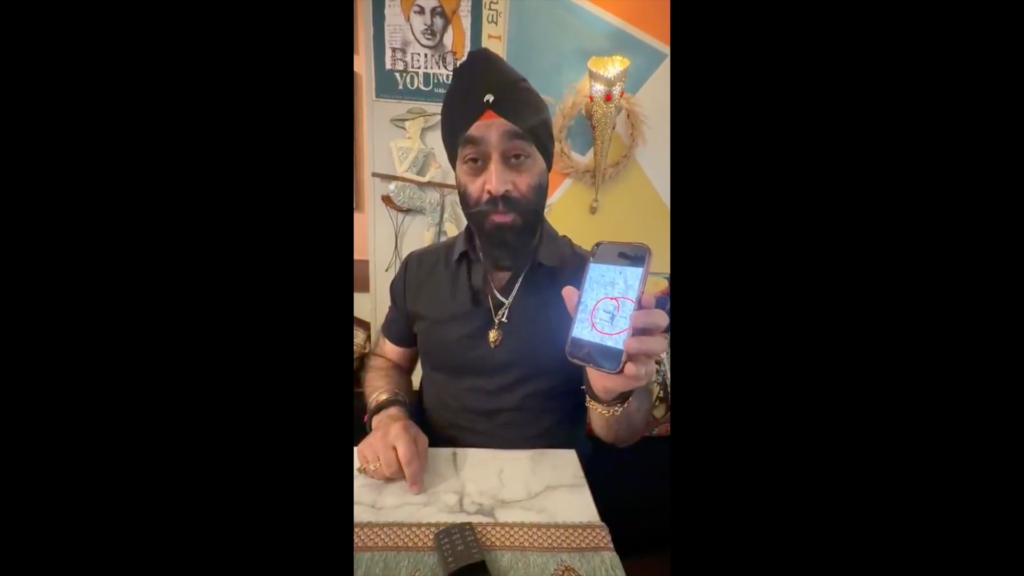
A UK restaurateur has recently become the focal point of controversy and financial repercussions after posting a video that seemingly called for the destruction of buildings in Gaza by Israel. The incident has sparked widespread condemnation and ignited a heated debate over freedom of expression, accountability, and the ethics surrounding conflict commentary.
The restaurateur, whose identity remains a subject of public interest, shared a video that many interpreted as urging Israel to take aggressive action against Gaza, including the destruction of its infrastructure. The viral nature of the video has led to significant backlash from various communities both within the UK and internationally.
Following the video’s release, the restaurateur reported substantial financial losses, which are believed to stem from negative public reactions, boycotts, and potential severance of business partnerships. With restaurants often relying heavily on public favor and patronage, the negative publicity has evidently caused a tangible impact on the business’s revenue.
Critics argue that calling for violence or destruction in sensitive geopolitical situations can inflame tensions and undermine efforts towards peace and humanitarian aid. Supporters of the restaurateur cite the right to free speech and the importance of expressing personal opinions on complex international conflicts.
Industry experts highlight the volatile intersection of business and social media, emphasizing that public figures, especially those with businesses, must be cautious about their statements as these can directly influence their commercial success.
Human rights organizations and community leaders have weighed in, advocating for responsible communication that promotes understanding rather than division. They stress that any rhetoric that appears to promote violence exacerbates the suffering of civilians and hampers diplomatic resolutions.
The restaurateur’s case serves as a contemporary example of how social media can act as a double-edged sword: providing a platform for expression while also exposing individuals and businesses to swift public judgment.
Legal analysts suggest that while free expression is protected under UK law, there are boundaries concerning hate speech and incitement to violence, which can carry legal consequences. It remains unclear if any legal action will arise from the video.
This incident underscores the delicate balance required in discussing sensitive international conflicts in public forums, especially for public figures whose words can have amplified effects.
As the restaurateur continues to navigate the fallout, the broader conversation about social responsibility, business ethics, and advocacy in the age of digital media continues to evolve, highlighting the complex landscape modern entrepreneurs must manage.