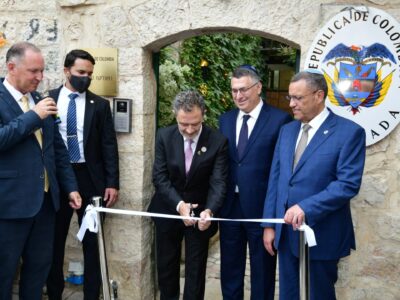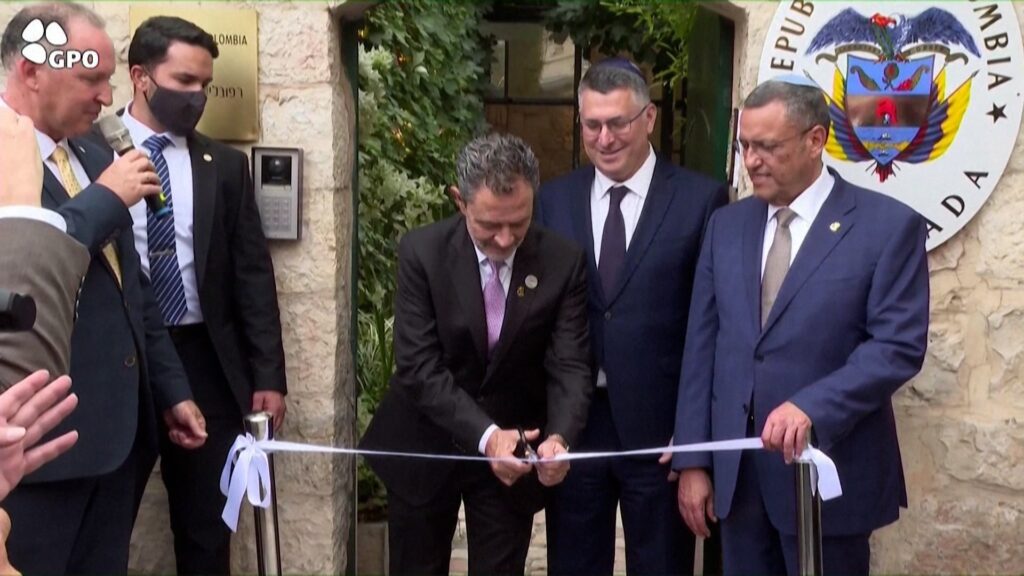
In a significant diplomatic move, Colombia has officially opened an embassy in West Jerusalem, marking a milestone in its foreign policy under the leadership of the new far-right President Abelardo de la Espriella. This decision underscores Colombia’s intent to strengthen its bilateral relations with Israel. The opening of the embassy in Jerusalem symbolizes a shift in Colombia’s diplomatic stance, aligning more closely with Israel’s position on the status of the city, which is a highly contentious issue internationally.
Alongside establishing the embassy, Colombia has also taken steps to restore free trade agreements with Israel, signaling a renewed commitment to economic cooperation and partnership. This restoration of free trade is expected to boost bilateral trade, enhance investment opportunities, and foster technological and cultural exchanges between the two nations.
President Abelardo de la Espriella’s administration has emphasized the importance of these moves in promoting Colombia’s strategic interests in the Middle East, as well as supporting national economic growth through expanded international partnerships. The government’s decision has been met with mixed reactions domestically and internationally, given the complex geopolitical implications of recognizing Jerusalem as Israel’s capital and the broader impacts on regional diplomacy.
Israel has welcomed Colombia’s decision, viewing it as a reinforcement of its diplomatic support and a positive development in international relations. This step is likely to encourage other countries to reconsider their diplomatic positions regarding Jerusalem.
Analysts suggest that Colombia’s actions could also influence other Latin American countries in their foreign policy orientations, potentially leading to a realignment of regional diplomatic ties and trade agreements.
The reestablishment of free trade with Israel opens new horizons for businesses and entrepreneurs in both countries. It promises increased market access, reduced tariffs, and enhanced cooperation in sectors such as technology, agriculture, and defense.
Colombia’s move comes amid a broader trend of countries revising their foreign policies and trade partnerships to adapt to shifting global dynamics. The new embassy and trade restoration underscore President de la Espriella’s agenda to strengthen Colombia’s international presence and economic resilience.
Despite the positive economic prospects, the decision has drawn criticism from various international actors who emphasize the need for a negotiated solution to the Israeli-Palestinian conflict. The status of Jerusalem remains a central and sensitive issue in peace talks and international diplomacy.
In summary, Colombia’s opening of its embassy in Jerusalem and the restoration of free trade with Israel represent a pivotal moment in Colombian-Israeli relations. It reflects a strategic alignment under President Abelardo de la Espriella’s far-right government, focused on enhancing diplomatic ties and economic collaboration. The long-term impacts of these developments will be closely watched by global observers and regional stakeholders alike, given their potential to influence diplomatic, economic, and geopolitical landscapes in Latin America and beyond.