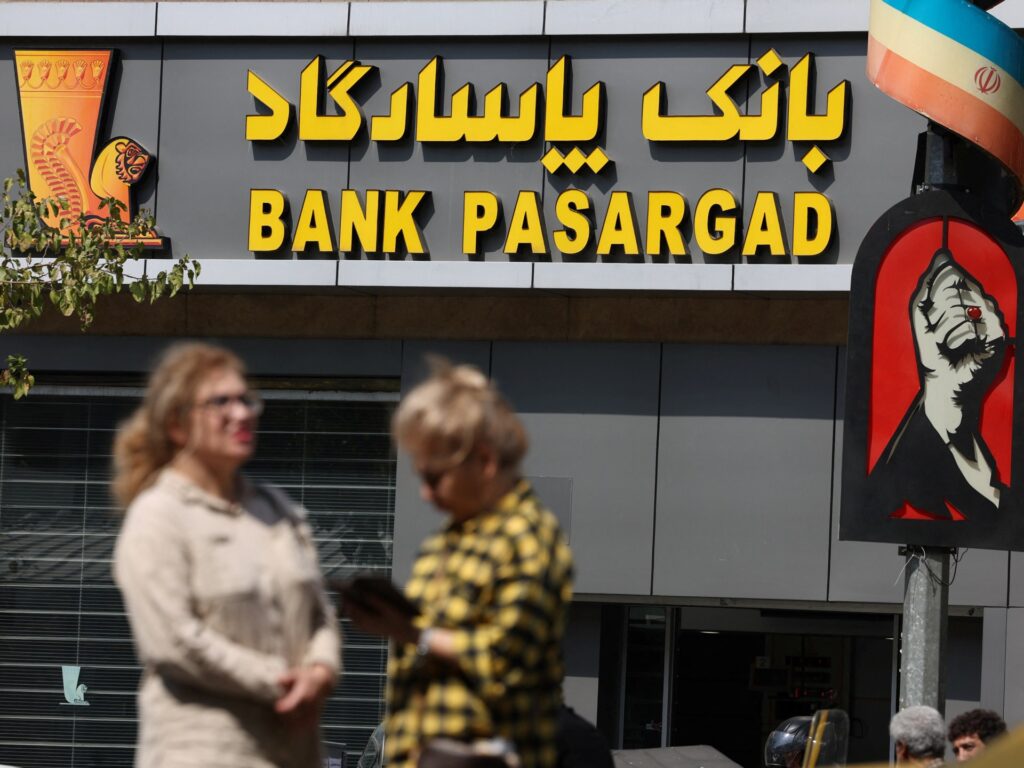
Amid stringent US sanctions, Iranians have developed various strategies to move money abroad despite significant restrictions. These sanctions are designed to limit Iran’s access to international financial systems and curb its ability to conduct transactions in major currencies like the US dollar and the euro. Nevertheless, individuals and businesses still find ways to transfer funds across borders by employing a mix of traditional and modern methods.
One common approach involves the use of currency brokers or hawala networks. Such brokers operate through informal channels, often relying heavily on trust and extensive networks both inside and outside Iran. These brokers match individuals or companies seeking to send money abroad with counterparts overseas who can dispense equivalent sums in local currency. While this method bypasses formal banking systems, it carries risks such as lack of regulation, potential fraud, and exposure to crackdown by authorities.
Another popular method is the use of cryptocurrency. Digital currencies like Bitcoin allow Iranians to convert rial-denominated assets into a relatively borderless and censorship-resistant form of money. Cryptocurrency can then be sent via blockchain networks to foreign exchange points where it is exchanged for traditional currency. However, the crypto market’s volatility, relatively low liquidity for large sums, and regulatory scrutiny both within Iran and internationally pose challenges. Moreover, handling crypto securely requires technical knowledge and infrastructure.
Some Iranians also resort to physical money transfers, including cash couriers traveling abroad, to move funds. This practice is risky due to legal restrictions on amounts and scrutiny at customs checkpoints, but it remains a tangible option when electronic channels are unavailable or compromised.
Trade-based money laundering is another technique. Businesses export goods with inflated invoices or engage in fictitious trade transactions to disguise funds leaving the country. This approach is complex but can be difficult for enforcement agencies to detect without extensive investigation.
Other financial tools include the use of foreign bank accounts in countries with more lenient regulatory environments, often opened via intermediaries or relatives residing abroad. These accounts are used to receive payments routed through third parties, effectively obscuring the origin of the funds.
Despite these methods, each carries inherent problems. Legal risk is significant because sanctions violations can lead to criminal charges and asset freezes. Operational challenges include the costliness, inefficiency, and complexity of these alternative payment routes.
The evolving landscape of sanctions enforcement pushes Iranians continuously to adapt their strategies, balancing the need for financial mobility against enforcement risks. Meanwhile, authorities globally remain vigilant, stepping up efforts to identify and disrupt sanction evasion schemes.
In summary, while US sanctions on Iran have tightened financial barriers, a combination of currency brokers, cryptocurrency, physical transfers, and trade-based methods enables the flow of money abroad. Iranians’ resourcefulness in circumventing restrictions showcases resilience but also underscores the persistent challenges and risks of operating in an era of rigorous international financial controls.