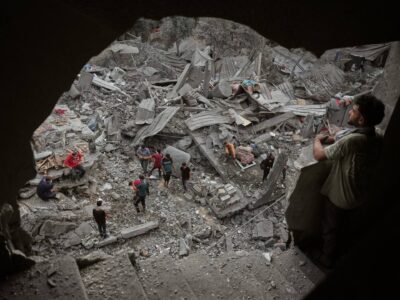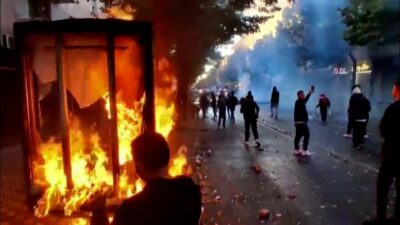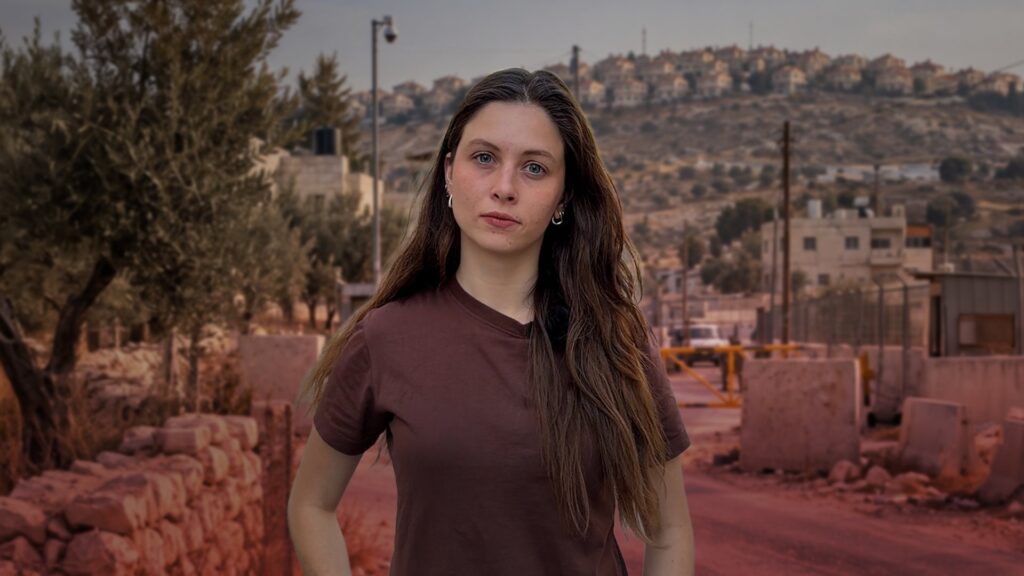
As Israelis gear up for their upcoming elections, Palestinians in the occupied West Bank express deep skepticism about the democratic system they live under, calling Israel’s democracy “a joke.” This sentiment reflects a broader feeling of disillusionment and frustration faced by Palestinians living under occupation, where political power dynamics and lack of equal rights have long been sources of conflict.
The upcoming Israeli elections are seen by many as pivotal, yet Palestinians in the territories under Israeli control are largely excluded from the electoral process. They neither vote in Israeli national elections nor have a significant say in the policies that affect their daily lives. This disenfranchisement contributes to the perception that Israeli democracy does not accommodate or represent Palestinian voices.
For Palestinians, Israel’s democracy largely benefits Jewish citizens, while Palestinians face restrictions and limitations on their movement, political expression, and civil rights. The ongoing expansion of settlements in the West Bank, military checkpoints, and occasional violence add to the feeling that political change within Israel will not translate into meaningful improvements for Palestinians.
Palestinian leaders and commentators have criticized Israeli political parties and governments for focusing inward, often sidelining peace negotiations and dismissing Palestinian aspirations for statehood and freedom. The various Israeli governments over the years have been accused of perpetuating policies that sustain occupation, rather than seeking resolution.
In the West Bank, the political landscape is complex, with the Palestinian Authority maintaining limited administrative control while Israel continues security control. This shared governance does little to alter the fundamental power imbalance, leaving Palestinians feeling marginalized in their own land.
Many Palestinians view the Israeli electoral campaigns and political debates as irrelevant to their plight. The elections primarily engage Israeli citizens, with campaign promises rarely addressing the urgent issues faced by Palestinians. Consequently, Palestinian hope for changes stemming from Israel’s elections remains low.
The situation underscores broader issues of democracy and human rights in the region. Critics argue that Israel’s democratic label is undermined by its treatment of Palestinians, who live without equal political status or protections. This critique is increasingly voiced in international forums and human rights organizations.
Looking ahead, Palestinians continue to call for recognition of their rights and meaningful participation in political processes that determine their future. Until such changes occur, many will maintain their view that Israeli democracy is merely nominal—a system that excludes a significant population under occupation and fails to offer real democratic justice.
The upcoming Israeli elections, therefore, are viewed not just as a domestic political event but as a reflection of ongoing tensions and unresolved issues that deeply affect Palestinian lives. Palestinians in the West Bank, facing daily hardships and systemic disenfranchisement, prepare themselves with little expectation for transformation, cementing their view of the democratic process as flawed and unjust.