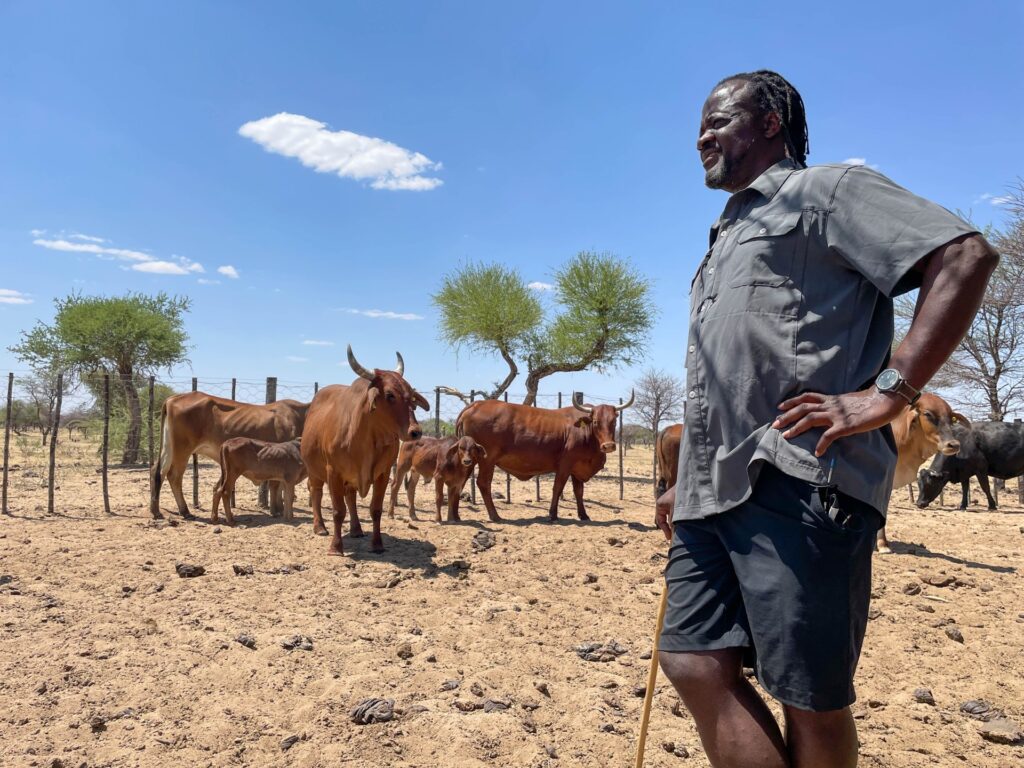
Namibia is currently grappling with a significant outbreak of foot-and-mouth disease (FMD), a highly contagious viral illness that affects cloven-hoofed animals such as cattle, sheep, and goats. This outbreak poses a severe threat to the livelihoods of livestock farmers across the country and has prompted swift actions by Namibian authorities to contain the disease and prevent further spread.
The emergence of FMD has triggered substantial disruptions in meat supplies, with repercussions reaching beyond Namibia’s borders. In response to the outbreak, the European Union (EU) has suspended imports of meat from several Namibian regions. This suspension is part of precautionary measures to safeguard the health of livestock within the EU and to prevent the introduction of the disease into member states.
Namibia’s economy relies heavily on its livestock sector, both for domestic consumption and export. The cattle industry, in particular, forms a critical part of agricultural income and employment. The FMD outbreak threatens to undermine these economic gains through reduced productivity, forced culling of infected and at-risk animals, and loss of export markets.
Authorities in Namibia have responded by imposing stringent controls, including quarantine zones, movement restrictions on animals, and increased surveillance and testing efforts. Farmers have been urged to report any signs of the disease promptly and to cooperate with veterinary services in implementing biosecurity measures.
The suspension by the EU has further intensified the crisis, affecting not only meat producers but also the broader supply chain, including exporters, processors, and retailers. The loss of access to lucrative EU markets may lead to a buildup of unsold stock domestically, price fluctuations, and economic stress for many stakeholders.
Experts emphasize the importance of rapid containment to limit the outbreak’s duration. Lessons from previous FMD incidents globally suggest that early detection, vaccination programs, and effective communication between veterinary authorities and farmers are crucial.
International support may also play a role in Namibia’s response. Collaboration with organizations such as the World Organisation for Animal Health (OIE) and food safety bodies can help enhance surveillance, facilitate safer trade, and aid capacity building in disease management.
In the longer term, Namibia’s experience highlights the vulnerabilities of livestock-dependent economies to animal disease outbreaks. Strengthening biosecurity protocols, investing in veterinary infrastructure, and developing resilient supply chains will be vital to mitigating the impacts of such crises.
For now, Namibia continues to battle the FMD outbreak with urgency, striving to protect its farmers, safeguard public health, and restore confidence in its meat exports to international markets. The return to normal trade relations with the EU hinges on successfully controlling the disease and demonstrating that affected areas are free from infection.