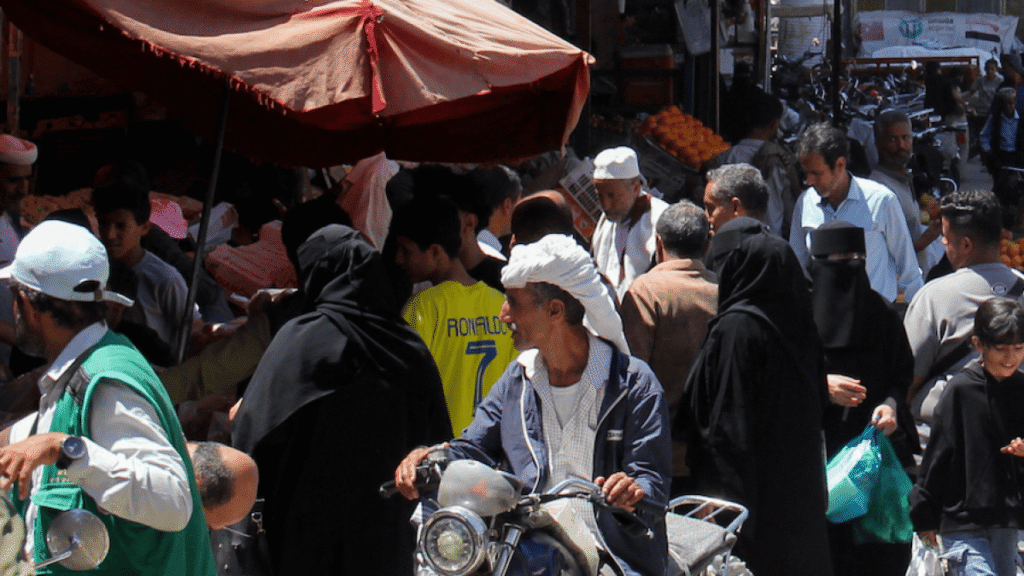
Yemen is facing a severe humanitarian crisis as food shortages in the city of Taiz worsen due to an ongoing siege by Houthi forces. The Yemeni government troops stationed in Taiz find themselves encircled by the Houthis, who have implemented blockades on critical road routes leading into the city. These blockades have significantly disrupted the delivery of essential supplies, including food and medical aid.
Taiz, a strategic city located in southwestern Yemen, has become a frontline in the protracted conflict between the internationally recognized Yemeni government and the Houthi rebels. The city’s population, already vulnerable due to years of conflict, is now experiencing acute shortages of basic necessities, exacerbating the humanitarian situation on the ground.
The blockade has effectively cut off major supply lines, impeding relief organizations from accessing the city to provide much-needed assistance to civilians caught in the crossfire. Medical facilities in Taiz are also under strain, lacking adequate supplies and resources to treat wounded and sick patients.
The siege has drawn international concern, with humanitarian groups urging all parties to allow the safe passage of aid and to lift restrictions that prevent the flow of goods into the city. The United Nations and other agencies have called for an immediate ceasefire to enable relief efforts and to mitigate the nutritional crisis threatening thousands of residents.
Locals report that food prices have soared due to scarcity, placing immense pressure on families struggling to afford everyday sustenance. Malnutrition rates, especially among children, are feared to be rising as food becomes increasingly scarce.
Efforts by international mediators to negotiate a relief corridor have so far seen limited success, as trust between conflicting parties remains low. The Houthi leadership maintains that the blockade is a military necessity, while the Yemeni government condemns the siege as a tactic of collective punishment against civilians.
The Taiz crisis underscores the broader humanitarian impact of Yemen’s civil war, which has displaced millions and resulted in widespread food insecurity. With the political stalemate persisting, the civilian population continues to bear the brunt of the conflict.
As the siege stretches on, humanitarian organizations emphasize the urgent need for coordinated international pressure to facilitate aid deliveries and to promote dialogue aimed at ending hostilities in Taiz and beyond. Without immediate intervention, the city’s residents face a bleak future dominated by hunger and deprivation.