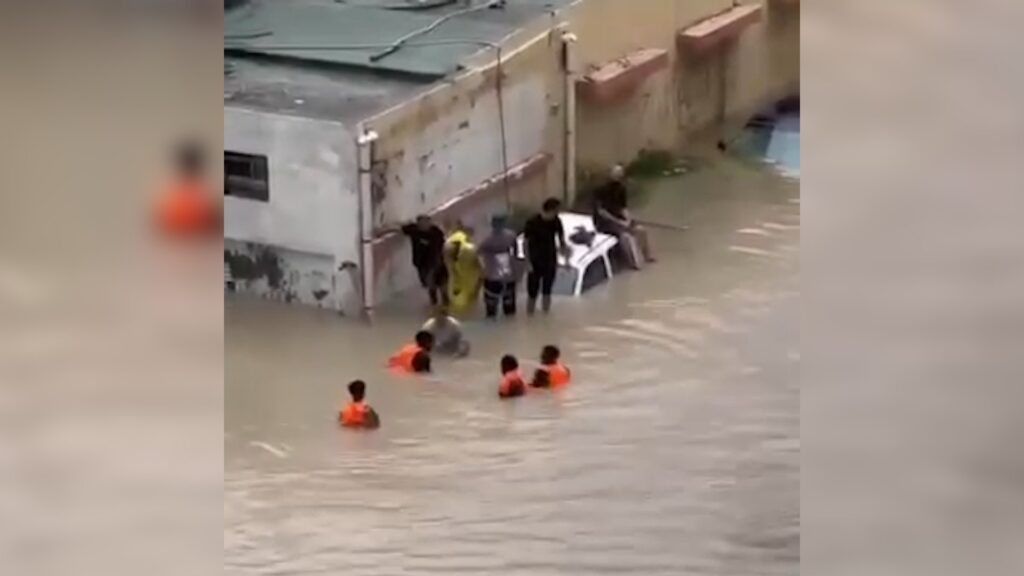
Tripoli, Libya’s bustling capital, has been severely affected by heavy rainfall leading to widespread flooding across the city. The intense downpour caused an unprecedented rise in water levels, submerging cars, flooding homes, and even trapping individuals inside various buildings including hospitals.
The flooding quickly overwhelmed the city’s drainage systems, turning streets into rivers and creating hazardous conditions for residents and emergency responders alike. Many vehicles were left stranded in knee-deep to waist-high waters, making it impossible for drivers and passengers to escape the rising floodwaters promptly.
Homes, particularly those in lower-lying neighborhoods, bore the brunt of the flooding. Families were forced to evacuate quickly or remain trapped as floodwaters engulfed their properties. Rescue operations were swiftly mobilized, but the scale of the flooding made immediate aid challenging.
Hospitals, critical to emergency response, also faced severe challenges. Some medical facilities found themselves inundated by floodwaters, threatening patient safety and complicating efforts to deliver urgent care. Reports indicate patients and medical staff were trapped temporarily, highlighting the severity and sudden impact of the floods.
Local authorities and emergency services are scrambling to respond to numerous distress calls while coordinating efforts to clear waterlogged streets and restore access to essential services. The government urged residents to avoid unnecessary travel and to seek higher ground where possible while rescue teams continue their operations.
Meteorologists had predicted heavy rains over the region, but the severity of the flooding has surpassed prior expectations. Climate change experts warn that such extreme weather events could become increasingly common in the area, emphasizing the need for improved infrastructure and emergency preparedness plans.
Communities across Tripoli are coming together to provide aid and shelter to those displaced by the flooding. Charities and volunteers have begun delivering essential supplies such as food, water, and clothing to affected families. Meanwhile, health officials are concerned about potential outbreaks of waterborne diseases and are calling for increased public health vigilance.
Infrastructure damage extends beyond homes and hospitals; power outages and disrupted communication lines have further complicated rescue and recovery efforts. Large parts of the city were reported to be without electricity for extended periods, affecting both residential areas and critical facilities.
This flooding tragedy in Tripoli is a stark reminder of the vulnerability of urban centers in the face of increasingly erratic weather patterns. It underscores the urgent need for comprehensive urban planning, including effective drainage systems and emergency response capabilities, to mitigate future disasters.
International aid agencies have expressed concern and readiness to offer assistance as Libya grapples with the immediate aftermath of the floods. The situation remains fluid, with ongoing efforts focused on rescue, relief, and assessing the full extent of the damage.
Residents are urged to stay informed through official channels, adhere to safety advisories, and assist neighbors where possible. The resilience and solidarity of the Tripoli community remain crucial as the city deals with this natural disaster.
In the coming days, authorities will focus on damage assessment, rebuilding efforts, and strengthening flood defenses to better protect Tripoli from future flood events. The recent disaster has exposed critical vulnerabilities but also highlighted the community spirit and commitment to recovery that can help the city rebuild stronger and safer.
Meanwhile, experts continue monitoring weather forecasts to provide timely warnings, aiming to prevent loss of life and minimize property damage in future storms. The Tripoli floods serve as a call to action for both local governments and the international community to prioritize climate resilience and disaster preparedness initiatives across vulnerable regions.