France is currently engulfed in intense nationwide protests following the government’s proposal of a new police firearms law. The move has sparked widespread outrage and mobilized activists, civil rights organizations, and communities affected by police violence. Many fear that the legislation would exacerbate issues of police impunity and lead to more unjustified killings.
The proposed law aims to expand the rights of police officers to use firearms, a decision critics argue could result in increased violence rather than promote public safety. This proposal comes at a sensitive time in France, where tensions between law enforcement and various communities have been high, particularly those in marginalized and minority neighborhoods.
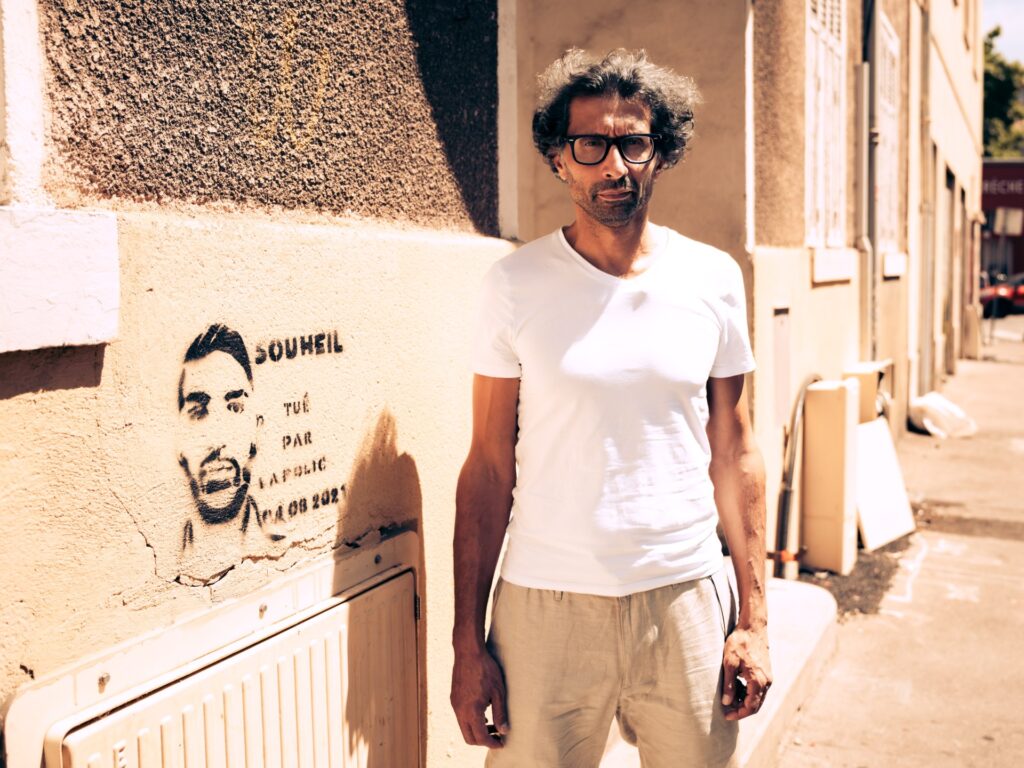
Among the most vocal opponents of the new law are families who have lost loved ones to police shootings. One heart-wrenching story gaining attention is that of a mother whose son was killed in an incident involving police firearms. She has become a prominent figure in the movement against the law, warning that it could cause more tragic deaths like her son’s.
Activists argue that rather than enhancing security, the law would provide more legal cover to officers who use excessive force. They emphasize the already documented challenges with accountability and transparency in cases of police violence in France. Amnesty International and other human rights groups have echoed these concerns, calling on the French government to reconsider.
The protests have been widespread, with demonstrations occurring in major cities such as Paris, Marseille, Lyon, and Lille. Thousands of protesters have taken to the streets, demanding not only the withdrawal of the proposed law but also broader reforms in policing practices and increased accountability mechanisms.
Law enforcement officials and government representatives, meanwhile, argue that the law is necessary to protect officers and enable them to perform their duties effectively amid rising violence and attacks on the police. They assert that granting police more leeway with firearms will help maintain public order and protect innocent citizens.
However, the discourse surrounding the law remains deeply divisive in France. Many citizens fear that the legislation may deepen societal fractures and further erode trust between the public and law enforcement agencies.
Legal experts also suggest potential challenges in implementing and regulating the law to ensure it is not misused. They warn that any expansion of firearms use by the police requires strict oversight, training, and accountability to prevent abuses.
The controversy highlights broader concerns in France about police reform and the balance between public safety and human rights. As the protests continue, the government faces mounting pressure from civil society to engage in dialogue and reconsider the proposed measure.
This ongoing debate reflects the global conversations about policing, state violence, and justice. France’s situation underscores the critical need for policies that protect citizens while respecting their rights, avoiding measures that could lead to more harm and injustice.
As discussions unfold, the voices of victims’ families and activists remain central, urging lawmakers to prioritize human lives and justice over expanded police powers. The outcome of this debate will not only shape France’s policy but could also influence policing reforms internationally.