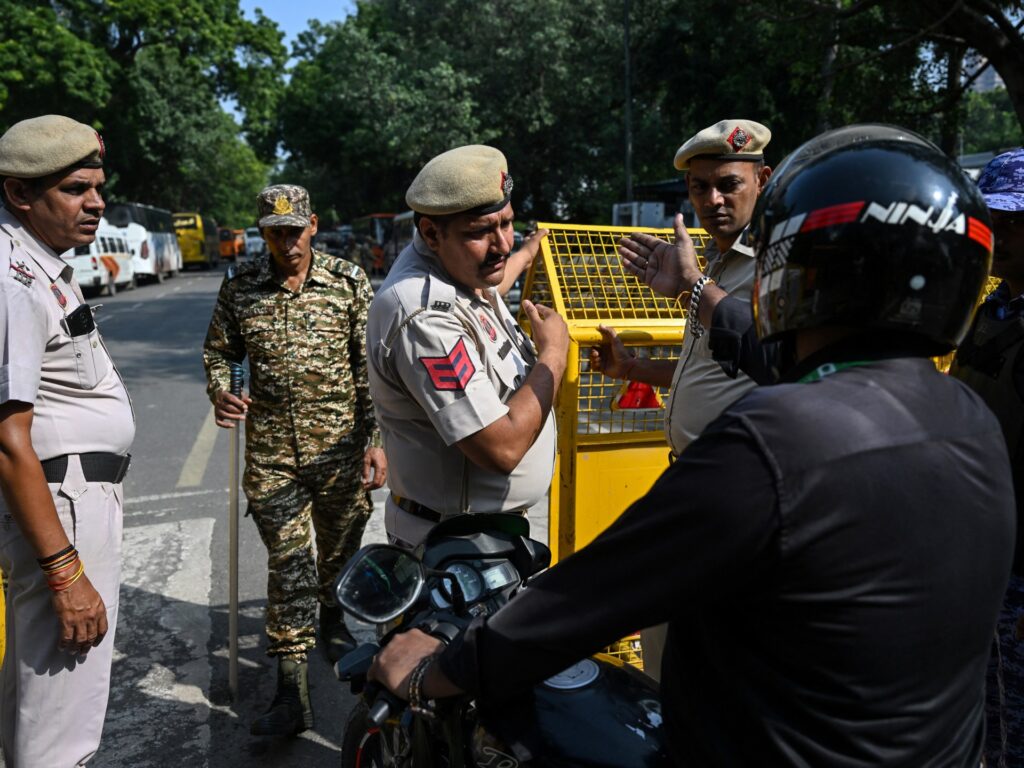
In a recent development in New Delhi, authorities detained several leaders and volunteers of the Cockroach Janta Party after they entered a popular protest site that had been declared off-limits by the police. This bold move by the Cockroach Janta Party, a group known for its provocative and satirical activism under the banner of the ‘cockroach’ movement, sparked a confrontation with law enforcement. The protest site had been sealed to prevent gatherings due to security concerns, but the group ignored these restrictions, leading to a swift police response.
The Cockroach Janta Party has gained notoriety in India for its unique blend of political satire and grassroots activism, often using the imagery of cockroaches to symbolize resilience and resistance. Their recent attempt to contest the government’s restrictions by staging a protest at this sensitive location highlights their growing willingness to challenge authority.
Police stated that the individuals detained were involved in violating prohibitory orders and entering a restricted area, which is a breach of public safety regulations. The detention took place without any reported violence, though it underscores the tense and polarized political atmosphere currently prevailing in New Delhi.
This incident has drawn mixed reactions from the public and political commentators. Some see it as a crackdown on free speech and civil unrest, while others support the police’s efforts to maintain order and prevent potential escalation of conflict in the capital. Members of the Cockroach Janta Party have vowed to continue their activism despite these hurdles, emphasizing their commitment to raising awareness about social and political issues through unconventional means.
In the broader context, this event reflects the challenges faced by activist groups in India, where peaceful protests often face stiff resistance from authorities concerned about security and public order. The Cockroach Janta Party’s actions and subsequent detention shine a light on the ongoing struggle between dissenters and the state’s regulatory framework.
Authorities have reiterated their stance on maintaining law and order and have urged all groups to comply with regulations designed to ensure public safety. Meanwhile, the Cockroach Janta Party leaders detained are expected to be released after legal proceedings, which will further determine the implications of this confrontation.
As protests and political activism continue to evolve in India, this episode serves as a revealing example of the delicate balance between expression and enforcement, highlighting the complexities of democratic rights in a rapidly changing political landscape.