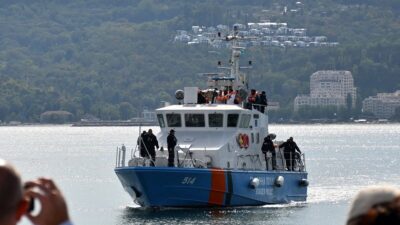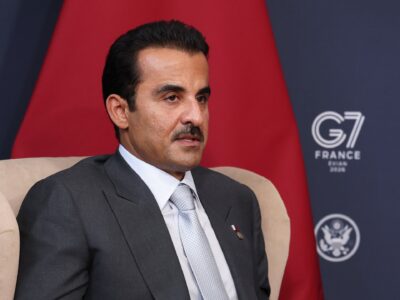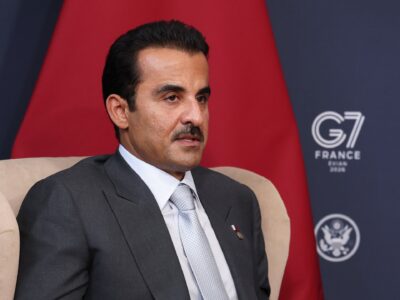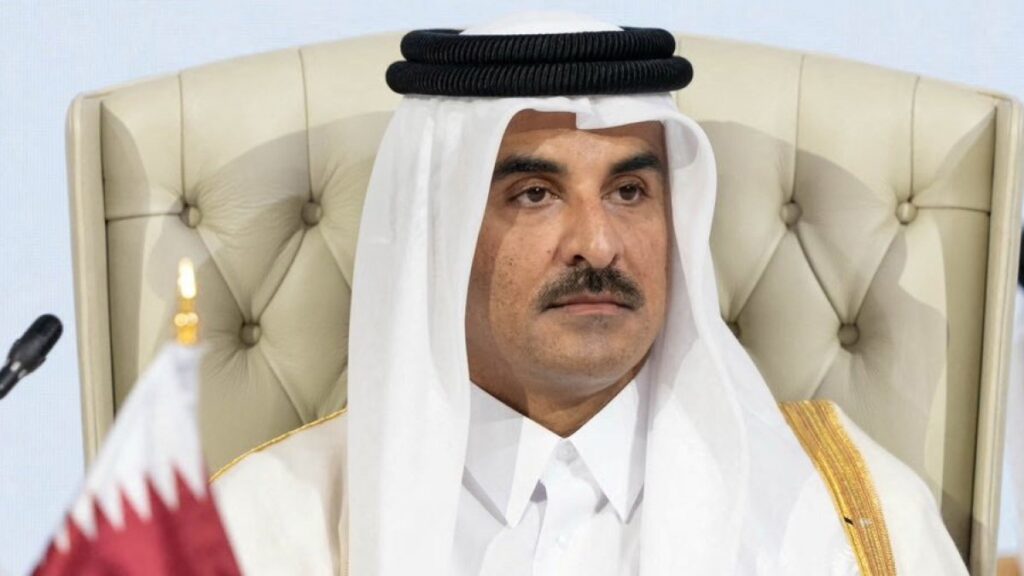
Recent developments in the Gulf region have escalated concerns over maritime security and regional stability. Qatar has urged the international community to intensify efforts to safeguard maritime routes in the Gulf, a strategic area vital for global oil transportation. The call comes amid heightened tensions following a series of attacks and military actions linked to the ongoing conflict involving Iran and its proxies.
In a significant escalation, the United States, under President Donald Trump’s administration, has condemned the Houthi movement in Yemen for their escalating attacks. The Houthis, supported by Iran, have launched several missile and drone strikes targeting Saudi Arabia and neighboring countries, exacerbating the security situation in the region.
As a precaution and in response to these threats, Saudi Arabia has temporarily suspended all flights at Riyadh airport. This move aims to ensure the safety of passengers and airport personnel amid the possibility of further attacks. The closure reflects the increasing risks posed by the conflict spilling beyond Yemen’s borders.
Qatar’s call for stronger efforts to secure Gulf maritime routes highlights the vulnerability of crucial shipping lanes to attacks. These routes are essential for the export of oil and other goods, and any disruption could have significant repercussions on global markets and energy supplies. The Gulf’s maritime security is a shared concern for regional and international powers, necessitating coordinated action.
The ongoing conflict in Yemen, involving Saudi-led coalition forces against the Houthis, remains a focal point of regional instability. Iran’s support for the Houthis complicates diplomatic efforts and intensifies proxy conflicts across the Middle East. The rising attacks have prompted international condemnation and calls for peaceful resolutions to prevent further escalation.
Global powers are increasingly involved in addressing these security challenges, balancing military presence with diplomatic engagement. The United States continues to support Saudi Arabia and its allies while seeking to deter Iranian influence and missile threats. Meanwhile, Gulf Cooperation Council (GCC) members, including Qatar, advocate for enhanced regional collaboration to protect their interests and maintain stability.
The Gulf maritime routes, particularly through the Strait of Hormuz, remain a flashpoint. This narrow passageway sees a significant portion of the world’s petroleum transit, making it a strategic chokepoint. Any disruption in this area can trigger spikes in oil prices and impact the global economy.
Efforts to enhance security include increased naval patrols, intelligence sharing, and diplomatic initiatives aimed at de-escalation. However, the complex geopolitical dynamics and proxy warfare in the region present ongoing challenges.
As the situation evolves, the international community watches closely, hoping for measures that prevent further violence and ensure safe navigation through these vital waterways. The need for multilateral cooperation is more pressing than ever to secure peace and stability in the Gulf region.