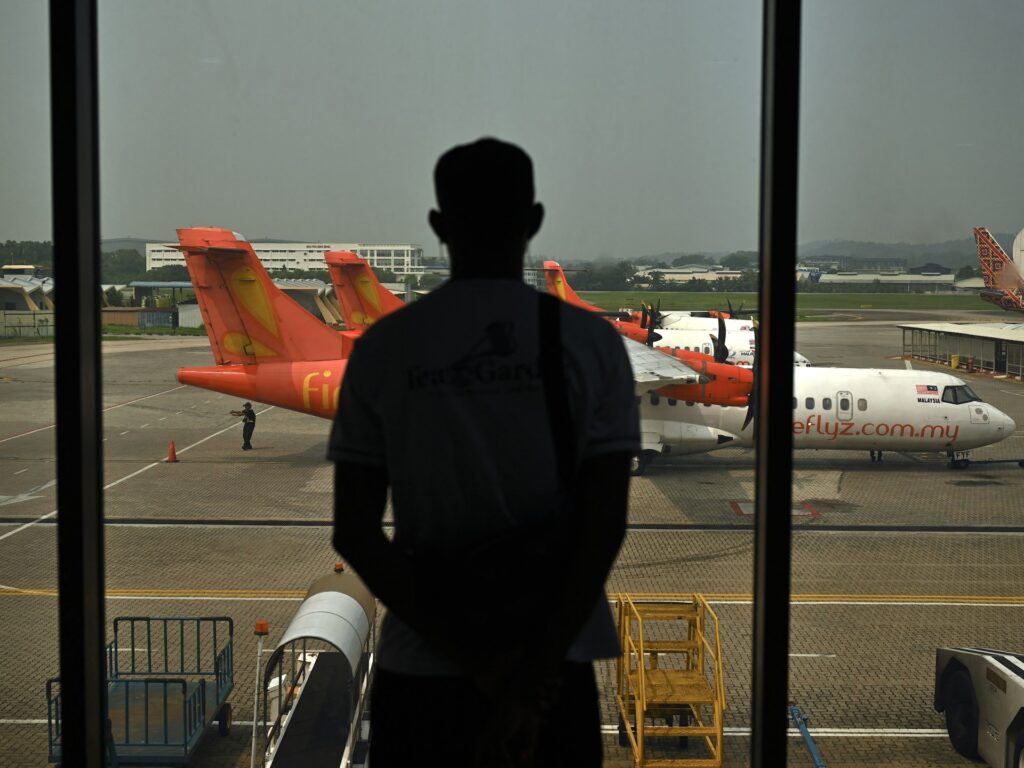
Malaysia’s regional low-cost airline, Firefly, has announced the cancellation of its flights to Singapore in response to the severe haze caused by widespread forest fires in Indonesia. This unprecedented move highlights the escalating environmental and health crisis impacting Southeast Asia currently.
The haze originating from Indonesian fires has significantly deteriorated air quality across the region, with Singapore and Kuala Lumpur now ranking as the world’s most polluted cities according to recent air quality indices. The thick smog has resulted from extensive slash-and-burn agricultural methods used in parts of Indonesia, particularly in Sumatra and Kalimantan, exacerbating environmental hazards.
Firefly’s decision to suspend flights is driven by concerns over passenger safety and the operational challenges posed by the poor visibility and air pollution. The haze has caused multiple disruptions in transportation sectors, with airlines adjusting schedules, flights being delayed or halted, and airport authorities undertaking enhanced safety protocols.
Singapore’s National Environment Agency has reported sustained hazardous air quality levels, with particulate matter readings reaching dangerous levels and causing health advisories to be issued. Similarly, Kuala Lumpur has witnessed unprecedented pollution, impacting daily activities and raising public health warnings.
Observers and environmental experts have long criticized the practice of using fires for clearing land in Indonesia, urging for sustainable and regulated farming techniques. The transboundary nature of the haze crisis has spurred diplomatic discussions between affected countries to collaborate on fire prevention and effective response strategies.
Firefly’s flight cancellations add to growing concerns over travel disruptions in the region. Passengers are advised to stay updated through airline communications and to follow health guidance to minimize exposure to the polluted air during this period.
Authorities in Indonesia have pledged to intensify enforcement against illegal burning and enhance firefighting efforts, aiming to mitigate the scale of haze in the coming weeks. However, weather conditions and the scale of the fires remain challenging factors in controlling the situation promptly.
The ongoing haze crisis serves as a harsh reminder of the environmental vulnerabilities in Southeast Asia and the urgent need for concerted regional cooperation to protect air quality and public health.
As the situation develops, travelers, residents, and officials remain cautiously optimistic that forthcoming monsoon rains will help clear the skies and restore normalcy to the affected cities. Until then, vigilant monitoring and responsive measures will be essential in managing the impact of the haze crisis on travel and public well-being.