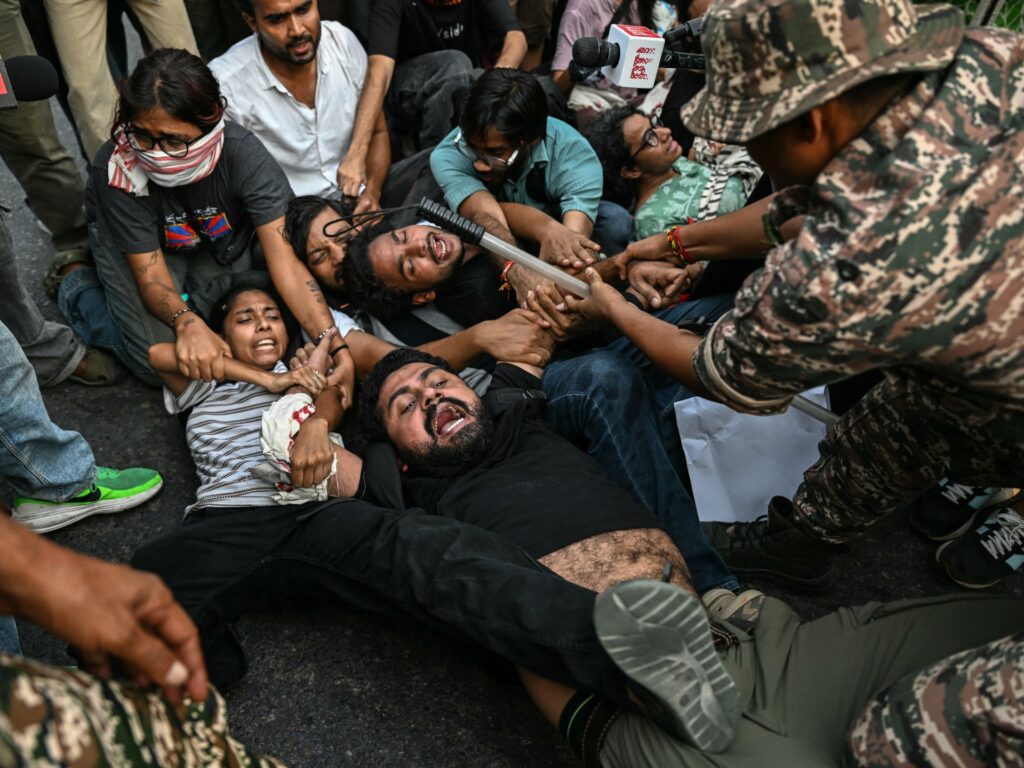
In New Delhi, the capital of India, thousands of opposition protesters have gathered, demanding the resignation of the election chief. This unrest has prompted the deployment of thousands of police officers and security personnel across central New Delhi, marking the third consecutive day of heightened security presence.
The protests reflect growing discontent among opposition parties regarding the conduct of recent elections, with allegations of unfair practices and calls for greater transparency and accountability. Demonstrators chanted slogans and carried placards urging the election commission chief to step down, claiming that the electoral process has been compromised.
The government has responded with a robust security operation to maintain order and prevent any escalation of violence. Authorities have set up barricades, enhanced surveillance, and conducted patrols through key areas to safeguard public safety and protect government buildings.
The situation remains tense as opposition leaders continue to mobilize supporters, highlighting concerns over democratic processes and electoral integrity. Analysts suggest that the protests could have significant political ramifications, influencing voter sentiment ahead of upcoming elections.
International observers and human rights groups have called for peaceful dialogue between the government and opposition factions to resolve the crisis without further disruption. They emphasize the importance of upholding democratic principles and ensuring that the election commission functions impartially.
As the crisis unfolds, the Indian government faces pressure from both domestic constituencies and the global community to address the protesters’ demands and restore confidence in the electoral system. Meanwhile, residents of New Delhi are urged to remain cautious and stay informed about ongoing developments.
The next few days will be critical in determining whether a resolution can be reached or if protests will intensify, potentially impacting India’s political landscape and democratic processes.