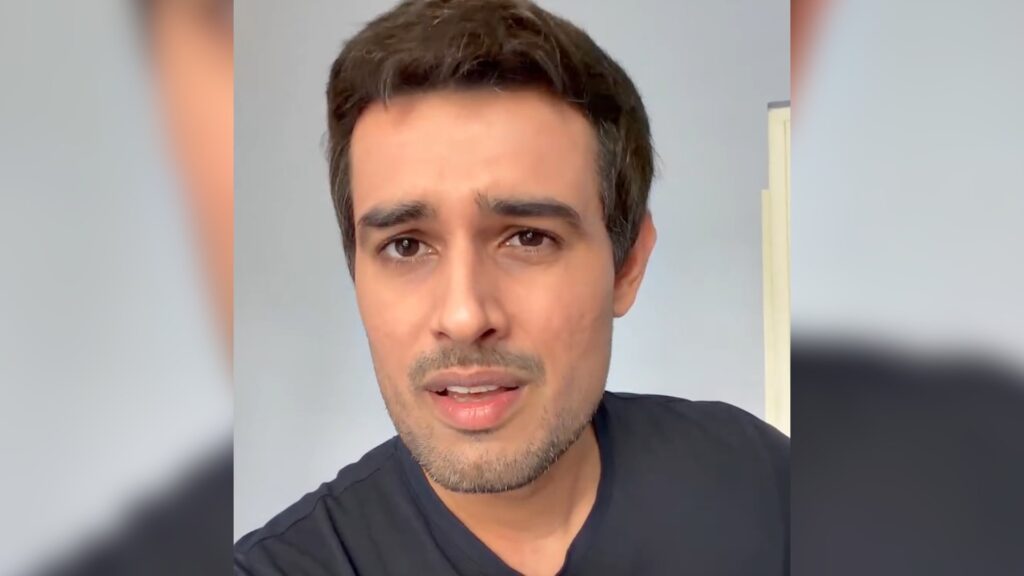
Dhruv Rathee, a prominent Indian YouTuber known for his critical commentary and social activism, has alleged that he was abducted from his home and detained for nearly 24 hours without access to a lawyer. This shocking claim emerged just days before planned protests in Delhi, raising concerns about freedom of expression and the safety of activists in India.
Rathee is a well-known figure on social media, where he discusses political and social issues, often critiquing government policies and highlighting human rights concerns. His YouTube channel has amassed millions of followers, making him one of the most influential voices among India’s younger generation.
According to Rathee, he was taken against his will from his residence by unknown individuals and kept incommunicado for almost a full day. During this time, he reportedly had no legal representation or contact with family members. The circumstances surrounding his alleged abduction remain unclear, and no official statement has yet been released by law enforcement agencies.
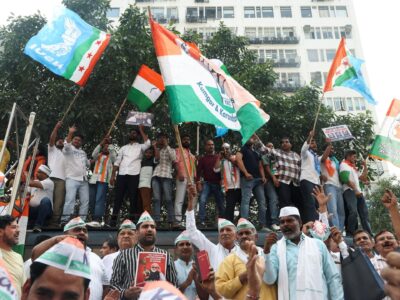
The timing of this incident is particularly significant, as Delhi was set to witness large-scale protests addressing various social and political issues. Rathee’s support for these demonstrations and his vocal stance on civil rights have made him a target for backlash, according to his supporters.
Human rights organizations and fellow activists have condemned the alleged abduction, calling it an attack on democratic freedoms and demanding an immediate investigation into Rathee’s disappearance. They warn that such acts may intimidate other activists and curb dissent in the country.
This incident has sparked a broader debate on the limits of free speech and the challenges faced by dissenting voices in India. Critics argue that the environment for activists and journalists is becoming increasingly hostile, with reports of harassment, legal hurdles, and threats on social media becoming more frequent.
India’s government has denied any involvement in the incident and has called for patience as investigations continue. However, the lack of transparency and the failure to assure Rathee’s safety have fueled skepticism among his followers.
Rathee himself has vowed to continue his activism despite the ordeal, emphasizing the importance of standing up against injustice and promoting awareness through his platform. He has received widespread support from the public and international community, who view his case as emblematic of the broader challenges facing advocates for democracy and human rights in India.
The case of Dhruv Rathee highlights the precarious position of social media influencers and activists in politically charged environments. It underscores the need for robust protections for journalists and citizens alike, to ensure that democracy and freedom of speech are not undermined.
As Delhi braces for the upcoming protests, the world watches closely to see how authorities respond to allegations of enforced disappearances and whether they uphold the fundamental rights of their people. The outcome of this case could have lasting implications for freedom of expression and the democratic fabric of India.
In the coming days, further details are expected to emerge as human rights groups and legal experts scrutinize the incident. Meanwhile, the conversation around civil liberties and the responsibilities of governments in protecting dissenters continues to gain momentum across the country.
This troubling episode serves as a stark reminder of the complex and often dangerous path faced by those who dare to speak out in pursuit of justice and truth in modern India.