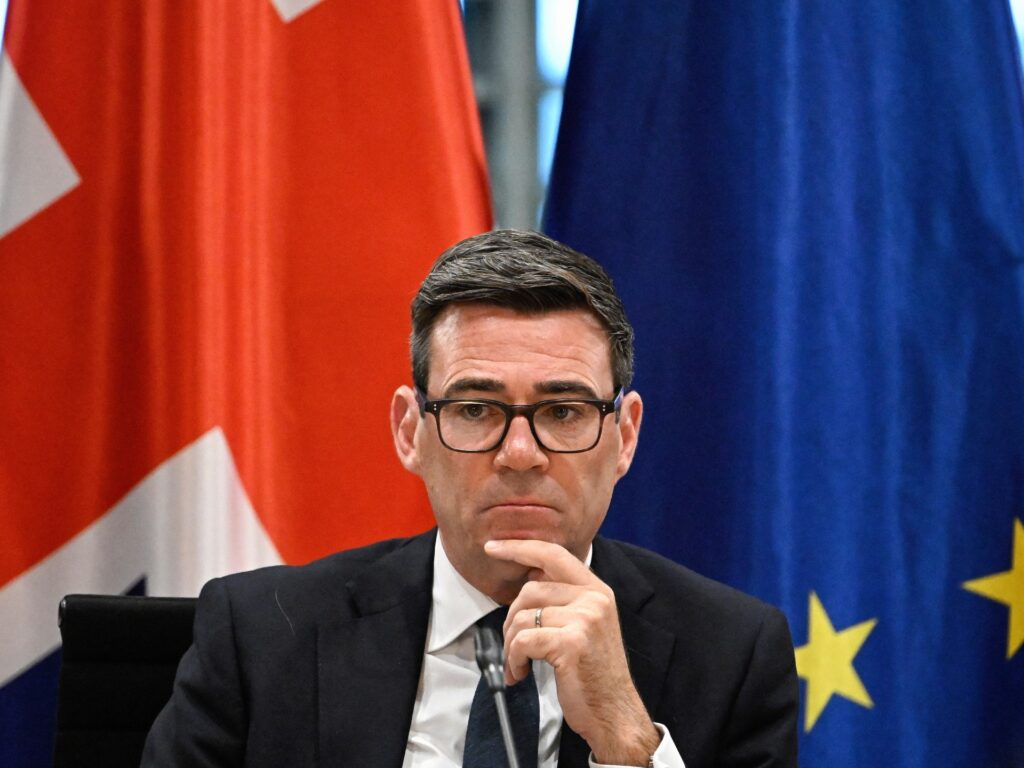
In a significant political statement, UK Prime Minister Andy Burnham has publicly acknowledged for the first time that Russia interfered in the 2016 Brexit referendum. This marks a notable development in the ongoing discourse about foreign influence in UK domestic affairs, highlighting concerns about electoral integrity and national security.
The 2016 Brexit referendum, which resulted in the UK’s decision to leave the European Union, has been under intense scrutiny since allegations emerged about potential external interference. While suspicions and accusations have circulated for years, Burnham’s declaration represents the first time a sitting UK prime minister has explicitly confirmed Russia’s involvement.
Burnham described the interference as “clear,” emphasizing the importance of recognizing the impact of such actions on the democratic process. This acknowledgment adds to a growing body of evidence suggesting that Russia employed various methods, including misinformation campaigns and cyber activities, to influence public opinion and the referendum outcome.
The Prime Minister’s statement has stirred reactions across the political spectrum, with some praising the transparency and others calling for more concrete investigations and security measures to safeguard future elections. Experts argue that foreign interference in referenda and elections undermines democratic institutions and erodes trust in political processes.
In response to the admission, the UK government is expected to strengthen its counter-interference protocols, investing in cybersecurity and public awareness campaigns to combat disinformation. The announcement also fuels ongoing debates about the need for greater transparency in electoral processes and the role of social media platforms in spreading false information.
Historically, the Brexit vote was a divisive issue, splitting the nation on crucial topics like sovereignty, economy, and immigration. Allegations that foreign actors attempted to sway the outcome add complexity to an already fraught political landscape. Burnham’s recognition might prompt further investigations and lead to reforms designed to protect the UK’s democratic integrity.
Internationally, the statement may prompt allies to revisit their own election security frameworks and cooperative defense mechanisms against cyber threats. This development underscores the increasing geopolitical significance of cyber operations and information warfare in modern democracies.
Overall, Andy Burnham’s public acknowledgment of Russia’s interference in the 2016 Brexit referendum is a watershed moment. It illuminates the vulnerabilities faced by democratic processes in the age of digital information and foreign cyber influence, calling on governments, institutions, and citizens to remain vigilant and proactive in defending democracy.