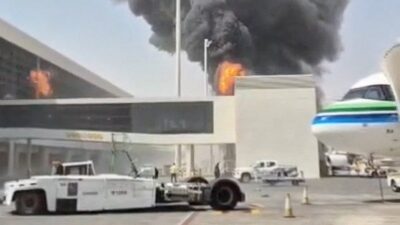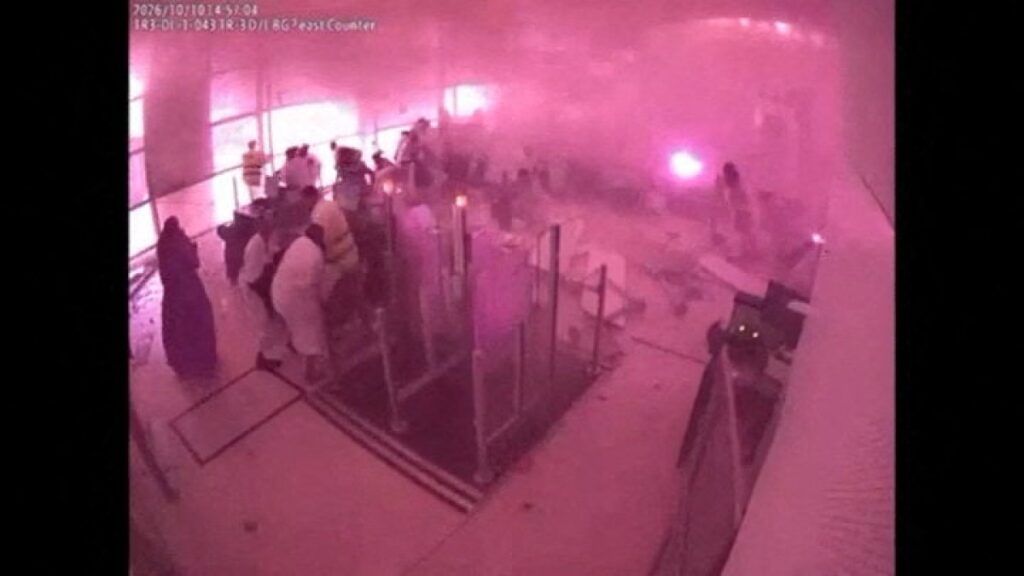
The ongoing conflict in the Middle East has seen a significant escalation with the Riyadh airport being hit once again amid rising tensions between Iran and Saudi Arabia. Tehran has acknowledged that the United States has accepted some of its proposed peace terms but has labeled the US response as ‘inadequate,’ expressing dissatisfaction and urging for a more substantive reply.
The recent attack on Riyadh’s airport marks a continuation of the hostilities that have gripped the region, leading to increased instability and international concern. The strike disrupted operations and raised alarms about the security of vital infrastructure in Saudi Arabia’s capital. Authorities are assessing the damage and the implications for air travel and regional security.
Iran’s statement on the US response indicates a complex diplomatic dynamic. While some concessions appear to have been made by Washington, Tehran insists that these fall short of expectations and fail to address fundamental issues driving the conflict. This stance suggests that diplomatic efforts remain fragile and that the possibility of further escalation cannot be ruled out.
The conflict traces back to longstanding political and sectarian rivalries in the region, with proxy battles and direct confrontations exacerbating tensions. The involvement of global powers, including the United States, has added layers of complexity to the situation.
International observers and analysts are closely monitoring the developments, calling for restraint and renewed negotiations to prevent further violence. The attack on Riyadh’s airport is a stark reminder of the vulnerabilities that exist and the urgent need for a durable peace framework.
Travel advisories have been updated by several countries, warning their citizens to avoid non-essential travel to Saudi Arabia, particularly in Riyadh and other sensitive areas. The attack also underscores the broader security challenges facing the Gulf region amid heightened geopolitical rivalries.
Humanitarian concerns are growing, as the continued conflict threatens civilian lives and disrupts essential services. Relief organizations have called for safe corridors and increased aid to those affected by the violence.
This latest chapter in the Iran-Saudi conflict underscores the delicate balance of power in the Middle East. Tehran’s criticism of the US reply shines a light on the difficulties in bridging differences and achieving lasting peace. Meanwhile, the repeated targeting of critical infrastructure like Riyadh’s airport demonstrates the high stakes and potential for broader regional repercussions.
As diplomatic channels continue to engage, the international community watches with bated breath, hopeful for de-escalation but preparing for all scenarios. The coming days will be crucial in determining whether talks will yield progress or if the cycle of violence will deepen further, affecting millions and reshaping the geopolitical landscape of the region.