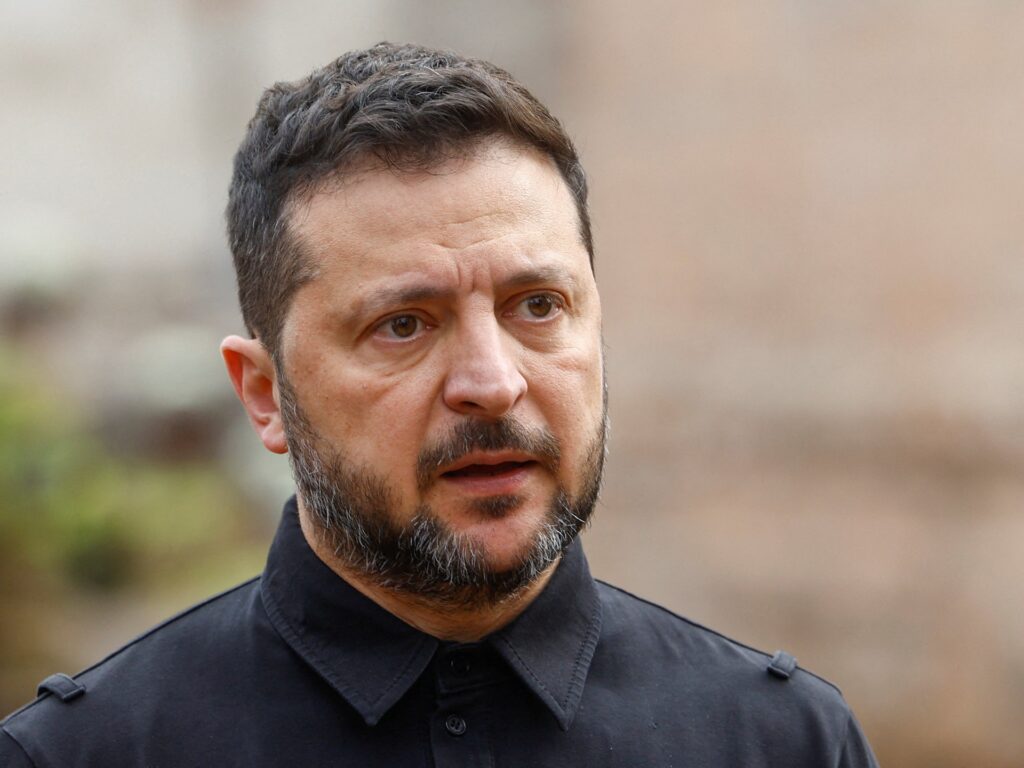
Former U.S. President Donald Trump has announced that Ukraine and Russia have agreed to an ‘energy ceasefire.’ This development marks a significant moment in the ongoing conflict between the two nations, as it pertains specifically to a halt in energy-related hostilities. While details remain limited, the announcement suggests progress in easing one dimension of the conflict’s multifaceted challenges.
This announcement comes against the backdrop of Ukrainian President Volodymyr Zelenskyy’s recent appeal for a comprehensive 60-day full ceasefire. Zelenskyy’s call aimed to halt all forms of military aggression between Ukraine and Russia, potentially paving the way for broader peace negotiations and humanitarian relief.
The energy ceasefire reportedly involves a mutual agreement to suspend attacks and disruptions related to energy infrastructure, which is critical for both civilian populations and the functioning of industries in the war-affected regions. Given the strategic importance of energy facilities during conflict, this agreement could reduce casualties and help stabilize electricity and fuel supplies.
Experts note that energy infrastructure has been a frequent target during the war, leading to widespread power outages and worsening humanitarian conditions. A ceasefire in this sector may allow for urgent repairs and maintenance, improving civilians’ living conditions amid ongoing tensions.
However, the scope of the ‘energy ceasefire’ remains distinct from a full military ceasefire. While it signals a positive step towards de-escalation, it does not encompass a halt to all fighting operations currently active in various regions of Ukraine.
International reactions to Trump’s announcement are mixed. Supporters view the energy ceasefire as a pragmatic step that could build trust and create momentum towards broader peace talks. Critics caution that such partial agreements may not lead to substantive ceasefire progress unless fully integrated into comprehensive peace efforts.
President Zelenskyy’s push for a 60-day full ceasefire continues to resonate globally, emphasizing the urgent need to reduce violence and address humanitarian challenges caused by the conflict. The proposed full ceasefire would cover all military activities, extending beyond the energy sector to encompass all fronts of the conflict.
Negotiations relating to ceasefires in the Ukraine-Russia conflict have been ongoing, with intermittent discussions about pauses in fighting for humanitarian aid delivery and critical infrastructure repair. The announcement of an energy-specific ceasefire adds a new dimension to these efforts.
While detailed terms of the energy ceasefire agreement remain undisclosed, observers hope the move will facilitate stability, enhance security for energy workers, and ensure more predictable access to power and fuel for affected populations.
The international community remains watchful as developments unfold, recognizing that any step towards reducing violence may contribute positively to the broader goal of resolving the conflict.
In summary, the reported ‘energy ceasefire’ agreement between Ukraine and Russia, as announced by Donald Trump, represents a noteworthy development amid the protracted conflict. It highlights the critical role of energy infrastructure in war zones and underscores ongoing attempts by leaders—including President Zelenskyy—to find pathways to peace. The situation continues to evolve, with hopes that such agreements can foster further dialogue and ultimately, a full ceasefire.