Repeated missile attacks by the Houthi movement on Saudi Arabia’s King Khalid International Airport have exposed critical vulnerabilities in the kingdom’s advanced air defence systems. Despite Saudi Arabia’s reputation for possessing sophisticated and high-tech missile interception capabilities, these incidents underscore significant limitations that allow hostile projectiles to breach protective barriers.
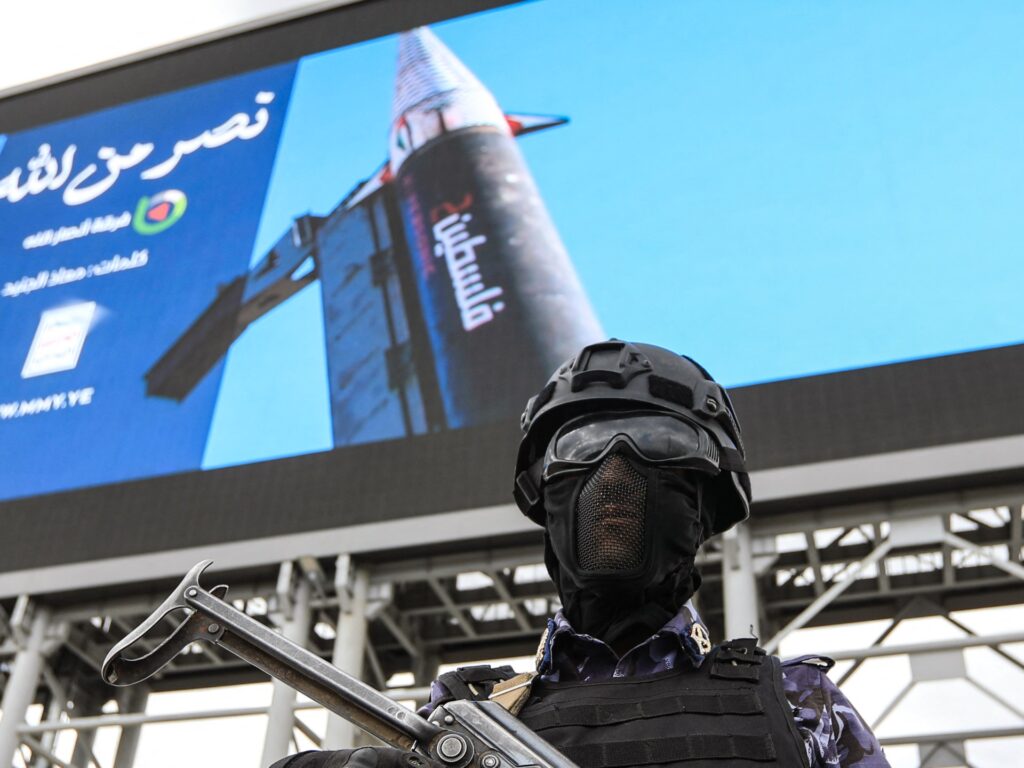
The Houthi insurgents, based in Yemen, have increasingly employed ballistic missiles and drones to strike strategic targets deep inside Saudi territory. Their persistent targeting of King Khalid Airport, a major hub of civilian and military activity near Riyadh, demonstrates both their tactical advancement and the challenges faced by Saudi air defences.
Several factors contribute to the breaches: first, the evolving nature of Houthi missile technology and delivery methods. The Houthis have refined their missile designs, increasing range, speed, and maneuverability, and combining these with low-flying drones that complicate detection and interception.
Second, Saudi Arabia’s air defence system, although composed of multiple layers including Patriot missiles and other radar-guided interceptors, struggles to counter simultaneous and diverse threats. Saturation attacks, where multiple missiles and drones are launched concurrently, can overwhelm defence systems designed for more conventional, singular threats.
Third, the geographical and operational environment presents challenges. The large area Saudi Arabia must defend stretches the response capabilities thin. Alongside, the strategic surprise element posed by sudden, coordinated strikes reduces response time, increasing chances for missiles to slip through.
Furthermore, intelligence limitations and the asymmetric warfare tactics of the Houthis reduce the predictability of attacks. The Houthis’ ability to exploit weak points and continuously adapt their strategies prevents the kingdom from fully neutralizing the threat.
Repeated successful strikes on an international airport not only have military implications but severely affect civilian morale and international perceptions of security. They highlight the need for Saudi Arabia to reassess existing air defence strategies and invest in newer technologies such as directed-energy weapons, enhanced radar networks, and improved cyber warfare integration to mitigate the evolving threat.
In conclusion, while Saudi Arabia’s air defence systems are technologically advanced, the ongoing Houthi missile attacks reveal significant limitations tied to evolving missile technology, saturation tactics, geographic and operational challenges, and intelligence gaps. Addressing these vulnerabilities is critical to safeguarding key infrastructure and maintaining regional stability.