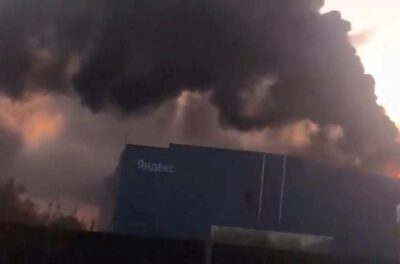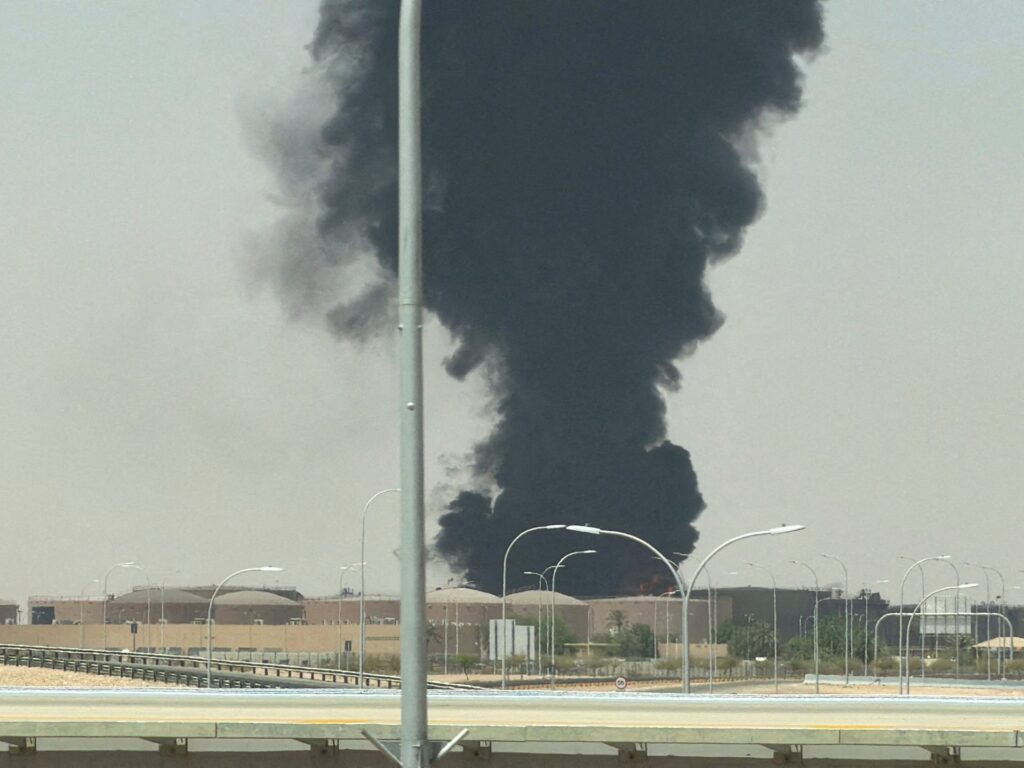
The conflict in Yemen has escalated significantly as the Houthi rebel group launched a missile strike on the main international airport in Riyadh, Saudi Arabia. This marked a serious expansion of the fighting beyond Yemen’s borders, and has raised tensions in the already volatile region.
The Saudi-led coalition, which supports Yemen’s internationally recognized government, promptly blamed the Houthis for the attack. Riyadh’s airport is a critical infrastructure hub, serving millions of passengers and facilitating vital international connections. The missile strike caused damage to the airport facilities and disrupted operations, though reports indicate no immediate casualties.
This incident underscores the worsening humanitarian and security crisis in Yemen, where the civil war has been ongoing since 2014. The conflict began when the Houthis, a Shiite rebel group, seized control of the capital Sanaa and large parts of northern Yemen, prompting a military intervention by Saudi Arabia and its allies in 2015.
Since then, the fighting has resulted in thousands of deaths and displaced millions, creating what the United Nations calls one of the world’s worst humanitarian disasters. The situation has been compounded by economic hardship, famine, and the COVID-19 pandemic.
The missile attack on Riyadh’s airport is seen as a direct challenge to Saudi Arabia’s efforts to isolate the Houthis and cut off their supply lines. It also signals the Houthis’ capability and willingness to strike deep inside Saudi territory, targeting critical infrastructure.
Saudi Arabia has vowed to respond firmly to the attack, emphasizing its commitment to protecting its citizens and infrastructure. The coalition has increased military operations targeting Houthi positions in Yemen in retaliation.
The international community has expressed concern over the escalation. Calls for renewed peace negotiations have intensified, with various countries urging both sides to de-escalate and return to dialogue to end the conflict.
This latest development adds complexity to an already intricate geopolitical landscape involving regional powers, including Iran’s alleged support for the Houthis, and the strategic interests of the Gulf states and international actors.
For Yemen, the missile strike means further disruption to a fragile peace process and increased uncertainty for civilians caught in the crossfire. The attack has highlighted the urgent need for a durable peaceful solution to the conflict, one that addresses the underlying political disputes and humanitarian needs.
Observers warn that continued violence risks dragging the region into a wider conflict, with consequences that could destabilize the broader Middle East.
Meanwhile, Riyadh has ramped up its security measures to safeguard critical assets and maintain airport operations, signaling the importance of resilience amid ongoing hostilities.
As the situation evolves, global attention remains fixed on the developments in Yemen and Saudi Arabia, hoping for a de-escalation and the resumption of meaningful peace talks. The coming weeks are critical in determining the trajectory of the conflict and the prospects for stability in this troubled region.