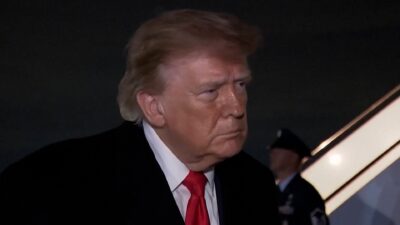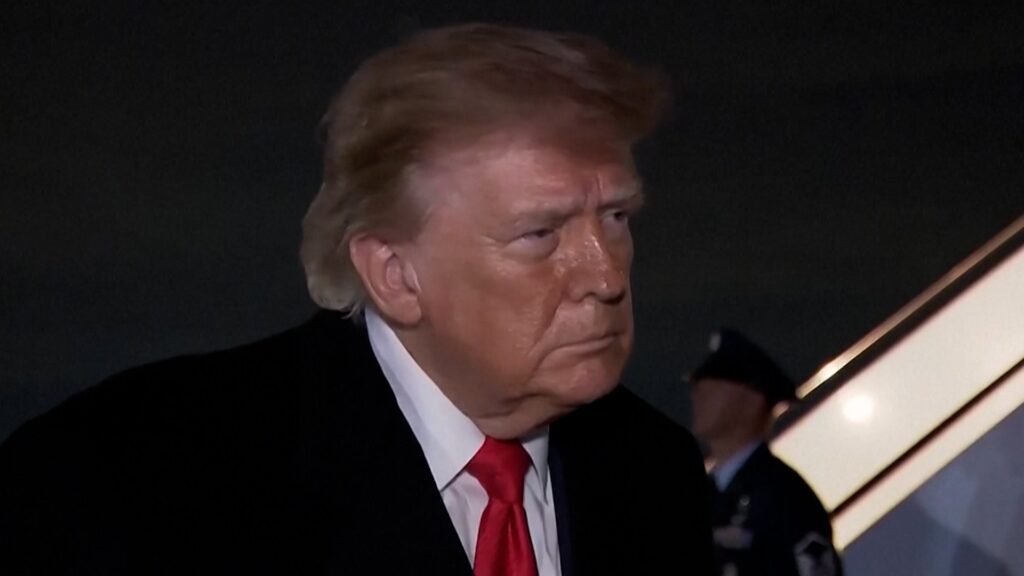
Former U.S. President Donald Trump has publicly called for Ukraine to hold elections amid the ongoing conflict with Russia. Trump suggested that Ukrainian President Volodymyr Zelenskyy missed opportunities to end the war, advocating instead for electoral measures as a potential path forward.
In recent statements, Trump emphasized the importance of democratic processes in Ukraine, framing elections as a crucial step to resolving the prolonged conflict. He criticized Zelenskyy’s approach to negotiations and conflict management, implying that alternative leadership or a renewed mandate from the people could change the trajectory of the war.
The conflict in Ukraine, which escalated significantly in 2022 following Russia’s invasion, has resulted in widespread international concern and humanitarian crises. Zelenskyy has been widely praised for his leadership and resistance efforts, but Trump’s comments reflect a different perspective on the potential for ending hostilities.
Trump’s call for elections also comes at a time when geopolitical tensions remain high, with ongoing diplomatic efforts seeking to find a lasting solution. Holding elections in a war-torn country presents numerous challenges, from security concerns to ensuring fairness and representation.
Critics of Trump’s proposal argue that elections during active conflict might not be feasible or might exacerbate instability. Supporters, however, view elections as a means to reaffirm democratic values and possibly pave the way for peace negotiations.
The international community continues to watch Ukraine closely, hoping for progress that can end the violence and restore stability. Meanwhile, debate persists about the best strategies for achieving lasting peace, with Trump’s views adding another dimension to the discourse.
As this situation evolves, Ukraine’s leadership and its allies must weigh the risks and benefits of various approaches, including electoral processes, diplomatic talks, and military strategies. The call from Trump reignites discussions about leadership accountability and the path toward ending the conflict.
With the war ongoing, the broader implications of any political or electoral changes will resonate far beyond Ukraine’s borders, affecting global security and international relations. The coming months are likely to be critical in determining the future course of the conflict and the potential for peaceful resolution.