In a surprising development, the United States is turning to Russia for diesel supplies despite the ongoing sanctions against Moscow. This move stems from a complex interplay of rising fuel prices, geopolitical strategies, and the upcoming US midterm elections.
Historically, the US and Russia have maintained a contentious relationship, especially since the imposition of sanctions targeting Russia’s economy and key sectors due to geopolitical conflicts. These sanctions were designed to limit Russia’s international trade capabilities and apply pressure over its actions in global affairs.
However, recent market dynamics have forced the US to reassess its energy sourcing strategies. Global fuel prices, particularly diesel, have surged dramatically due to a combination of increased demand post-pandemic and supply chain disruptions. This spike has pressured industries and consumers alike, leading to urgent calls for stable and affordable fuel supplies.
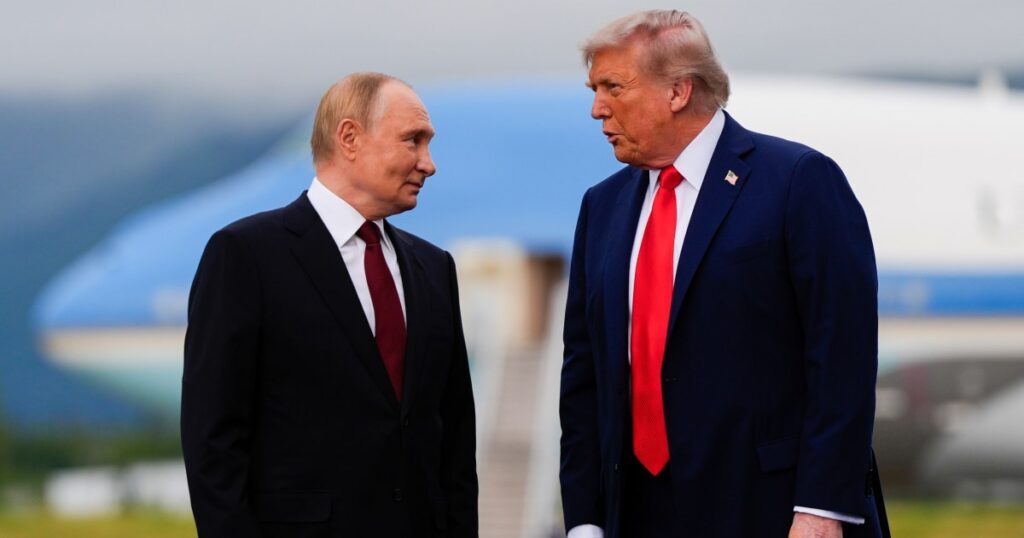
President Donald Trump, in a bid to mitigate the energy crunch and possibly bolster his political standing ahead of the midterm elections, has brokered a deal with Russian President Vladimir Putin. This arrangement allows the US to import diesel from Russia, temporarily setting aside some aspects of the sanctions regime.
The decision highlights the pragmatic challenges faced by governments when economic necessities collide with political ideals. While sanctions remain in place to penalize Russia for certain behaviors, the immediate need for energy stability has led to this exceptional agreement.
Energy analysts point out that this move could have several implications. Firstly, it may provide relief to the US market, stabilizing diesel prices and supply chains. Secondly, it could signal a temporary thaw in US-Russia economic relations, potentially influencing broader diplomatic dialogues.
Critics argue that relying on a sanctioned nation for critical energy supplies sends mixed signals about US foreign policy and may undermine the effectiveness of sanctions. Supporters contend that ensuring domestic economic stability and consumer affordability is paramount during times of crisis.
The deal is also seen as a strategic maneuver by President Trump to demonstrate decisive action on energy issues, aiming to secure voter support for the midterm elections. Energy security remains a pivotal topic for many Americans, and this initiative could resonate positively with key demographics.
Despite the potential benefits, the agreement is not without risks. There is concern that increased economic engagement with Russia could complicate future diplomatic efforts and weaken the leverage sanctions are intended to create.
International partners and allies are closely watching this development, as it may influence global perspectives on sanction enforcement and the balancing act between economic pragmatism and political principles.
In conclusion, the US turning to Russia for diesel amidst sanctions underscores the complexities of global energy markets and geopolitical strategy. It reflects how immediate economic imperatives can sometimes override longer-term political objectives, especially in the context of domestic political pressures and international relations.